EN
EN



Les entreprises et les organisations du monde entier reconnaissent de plus en plus les avantages environnementaux considérables liés à l’intégration de panneaux lumineux dans leurs stratégies de développement durable. Ces solutions innovantes en matière de signalisation ne consomment aucune énergie pendant leur fonctionnement, ce qui représente un changement révolutionnaire par rapport aux panneaux traditionnels alimentés électriquement, qui contribuent aux émissions de carbone et mettent sous tension les réseaux électriques. Les avantages environnementaux liés à l’utilisation de panneaux lumineux s'étendent bien au-delà de simples économies d'énergie, englobant une réduction des émissions de carbone, une minimisation de la production de déchets et une amélioration de la responsabilité écologique dans les applications commerciales et industrielles.
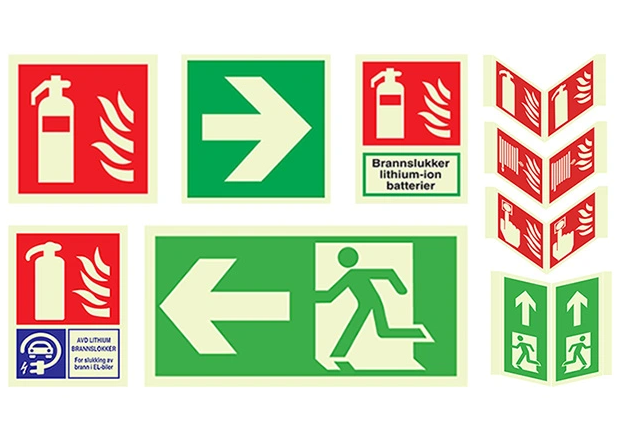
La mise en œuvre de panneaux lumineux représente une transformation fondamentale de la manière dont les organisations abordent à la fois la conformité en matière de sécurité et la responsabilité environnementale. Contrairement aux panneaux lumineux classiques, qui nécessitent une alimentation électrique continue, ces solutions photoluminescentes captent et stockent l'énergie de la lumière ambiante, éliminant ainsi le besoin de sources d'alimentation externes tout en assurant une visibilité optimale dans les situations critiques. Cette approche sans consommation d'énergie positionne panneaux lumineux comme des composants essentiels des initiatives de construction durable et des programmes de développement durable des entreprises visant des améliorations environnementales mesurables.
Réduction de l'empreinte carbone grâce à une technologie sans énergie
Élimination de la consommation directe d'énergie
Le principal avantage environnemental de panneaux lumineux réside dans leur élimination complète de la consommation directe d'énergie pendant les phases d'exploitation. Les panneaux électriques traditionnels nécessitent une alimentation électrique continue, consommant généralement entre 15 et 50 watts par unité, selon leur taille et leur intensité d'éclairage. Multipliée sur de grands sites comportant des centaines de panneaux de sécurité, cette demande énergétique contribue de façon significative aux émissions globales de carbone. Panneaux lumineux éliminent fondamentalement cette exigence énergétique en utilisant des matériaux photoluminescents qui absorbent et stockent l'énergie lumineuse provenant de sources ambiantes, notamment la lumière naturelle du jour et les systèmes d'éclairage artificiel déjà présents dans l'environnement.
La technologie photoluminescente intégrée au sein de panneaux lumineux fonctionne selon un principe de charge et de luminiscence qui ne nécessite aucune connexion électrique externe ni aucun système de batterie. Pendant les heures de jour ou sous éclairage artificiel, les composés phosphorescents intégrés aux panneaux absorbent des photons et stockent cette énergie au niveau moléculaire. Lorsque l’éclairage ambiant diminue, ces photons stockés sont progressivement libérés sous forme de lumière visible, assurant une illumination continue pendant de longues périodes sans apport d’énergie. Ce processus naturel de conversion d’énergie élimine totalement les émissions de carbone généralement associées aux systèmes de signalisation alimentés, contribuant directement à la réduction de l’impact environnemental global de l’installation.
Demande réduite sur le réseau électrique et exigences infrastructurelles allégées
La mise en œuvre de panneaux lumineux dans les installations commerciales et industrielles réduit considérablement la demande exercée sur les réseaux électriques, contribuant ainsi à des avantages environnementaux plus larges à l’échelle des fournisseurs d’énergie. Chaque panneau électrique remplacé par une alternative photoluminescente supprime une charge continue des systèmes électriques du bâtiment, ce qui réduit les frais liés à la demande de pointe et la consommation énergétique globale. Cette réduction de la demande adressée au réseau se traduit par une diminution de la consommation de combustibles fossiles dans les centrales de production d’électricité, amplifiant ainsi les bénéfices environnementaux au-delà du site d’installation immédiat.
En outre, panneaux lumineux éliminent le besoin d’une infrastructure électrique étendue, notamment des gaines, des boîtes de dérivation, des transformateurs et des disjoncteurs dédiés, généralement requis pour les systèmes de signalisation alimentés. Cette réduction de l’infrastructure limite la consommation de matériaux lors de l’installation et diminue l’impact environnemental associé à la fabrication, au transport et à l’installation des composants électriques. Le processus d’installation simplifié pour panneaux lumineux réduit également les perturbations environnementales liées à la construction, car la fixation de ces panneaux ne nécessite que des fixations mécaniques simples, sans travaux électriques ni tranchées pour les câbles d’alimentation.
Réduction des déchets et durabilité des matériaux
Durée de service prolongée et fréquence de remplacement réduite
Moderne panneaux lumineux offrent une longévité exceptionnelle par rapport aux panneaux électriques traditionnels, procurant des avantages environnementaux grâce à une réduction de la production de déchets et une consommation moindre de ressources tout au long de leur cycle de vie opérationnel. Des matériaux photoluminescents de haute qualité conservent leurs capacités de charge et d’émission lumineuse pendant des décennies, sans dégradation, éliminant ainsi les remplacements fréquents imposés par les panneaux électriques soumis à des pannes de composants, à des brûlures d’ampoules ou à des dysfonctionnements des systèmes électriques. Cette durée de service prolongée réduit directement le volume de déchets de panneaux destinés aux décharges et atténue l’impact environnemental lié à la fabrication d’unités de remplacement.
La durabilité de panneaux lumineux provient de leur technologie photoluminescente à l'état solide, qui ne comporte aucune pièce mobile, aucun composant électrique ni aucun élément consommable susceptible de se dégrader avec le temps. Contrairement aux panneaux électriques nécessitant des remplacements périodiques de lampes, un entretien des ballasts ou un remplacement complet de l'unité en raison de pannes électriques, panneaux lumineux maintiennent des performances constantes tout au long de leur durée de service, avec des besoins d'entretien minimaux. Cette fiabilité se traduit par une réduction du nombre de déplacements des véhicules d'entretien, une diminution des déchets d'emballage liés aux composants de remplacement et une moindre consommation globale de matériaux dans les opérations d'entretien des bâtiments.
Élimination des composants électroniques destinés aux déchets électroniques
L'adoption de panneaux lumineux élimine totalement le flux de déchets électroniques généralement produit par les systèmes d’enseignes électriques, répondant ainsi à une préoccupation environnementale majeure dans l’exploitation moderne des bâtiments. Les enseignes électriques contiennent de nombreux composants électroniques, notamment des alimentations LED, des cartes de circuits, des transformateurs et des systèmes de commande, qui doivent inévitablement être éliminés en tant que déchets électroniques. Ces composants contiennent souvent des substances dangereuses, telles que des métaux lourds, des terres rares et des composés toxiques, nécessitant des procédures d’élimination spécialisées afin de prévenir la contamination de l’environnement.
En revanche, panneaux lumineux utilisent exclusivement des matériaux photoluminescents passifs ne contenant aucun composant électronique, aucune batterie ni aucune substance dangereuse nécessitant une prise en compte particulière lors de l’élimination. Les matériaux de substrat utilisés dans les produits de qualité panneaux lumineux se composent généralement d’aluminium, d’acier inoxydable ou de polymères recyclables, pouvant être traités par les filières classiques de recyclage en fin de vie. Cette gestion simplifiée en fin de vie réduit la charge environnementale liée à l’élimination des déchets dangereux, tout en soutenant les principes de l’économie circulaire grâce à la récupération et à la réutilisation des matériaux.
Conservation des ressources et impact de la fabrication
Réduction de la consommation de matières premières
Le processus de fabrication pour panneaux lumineux nécessite nettement moins de matières premières que les systèmes de signalisation électriques, ce qui contribue à réduire l’impact environnemental sur l’ensemble du cycle de vie du produit. Les panneaux lumineux électriques requièrent des chaînes d’approvisionnement complexes, impliquant des terres rares pour la fabrication des LED, du cuivre pour le câblage électrique, de l’aluminium pour les dissipateurs thermiques, ainsi que divers composés polymères destinés aux boîtiers électroniques et aux cartes de circuits. L’extraction et le traitement de ces matériaux génèrent des impacts environnementaux substantiels, notamment liés aux activités minières, au traitement chimique et aux procédés de fabrication très énergivores.
À l'inverse, panneaux lumineux utilisent des compositions de matériaux relativement simples, constituées principalement de matériaux de support tels que des tôles d’aluminium ou des feuilles polymères, combinées à des revêtements photoluminescents ou à des appliques en vinyle. Les composés photoluminescents eux-mêmes nécessitent très peu de matières rares ou exotiques, s’appuyant principalement sur des phosphores à base d’aluminates de terres alcalines, abondants et respectueux de l’environnement. Cette simplification de la composition des matériaux réduit la pression exercée sur les ressources rares par l’exploitation minière, tout en minimisant l’impact environnemental lié aux procédés chimiques complexes et à la fabrication d’électronique.
Processus de fabrication simplifiés
La production de panneaux lumineux implique des procédés de fabrication nettement moins énergivores que ceux des systèmes d’enseignes électriques, ce qui contribue à réduire l’impact environnemental global durant la phase de production. La fabrication d’enseignes électriques nécessite plusieurs étapes énergivores, notamment la fabrication des puces LED, l’assemblage électronique, l’usinage de précision des composants de gestion thermique et des procédures complexes de tests de qualité. Ces procédés s’effectuent généralement dans plusieurs installations spécialisées, ce qui accroît les besoins en transport ainsi que les émissions de carbone associées tout au long de la chaîne d’approvisionnement.
La fabrication de panneaux lumineux utilise des procédés plus simples, notamment la préparation du substrat, l’application de matériaux photoluminescents et des opérations de finition basiques, qui peuvent souvent être réalisées au sein d’un seul site de production. L’application des matériaux photoluminescents implique généralement des techniques telles que la sérigraphie, le revêtement ou l’application de vinyle, nécessitant une consommation d’énergie minimale et générant des flux de déchets très réduits. Cette simplicité de fabrication réduit à la fois la consommation directe d’énergie pendant la production et les émissions liées au transport tout au long de la chaîne d’approvisionnement, renforçant ainsi les avantages environnementaux de panneaux lumineux avant même qu’ils n’atteignent leurs sites d’installation.
Avantages environnementaux en phase d’exploitation
Fonctionnement sans entretien et économies de ressources
La phase d’exploitation de panneaux lumineux offre des avantages environnementaux continus grâce à son fonctionnement sans entretien, éliminant ainsi la consommation de ressources généralement associée à l’entretien des systèmes de signalisation électriques. Les panneaux électriques traditionnels nécessitent un entretien régulier, notamment le remplacement des lampes, les inspections électriques, le nettoyage des composants électroniques et des tests périodiques du système afin de garantir la conformité aux réglementations en matière de sécurité. Ces activités d’entretien génèrent des impacts environnementaux permanents, notamment par les émissions des véhicules de service, la fabrication des composants de remplacement et la production de déchets liés aux composants défectueux.
En revanche, panneaux lumineux nécessitent uniquement un nettoyage de base pour maintenir des performances optimales, éliminant ainsi la nécessité d'une maintenance électrique spécialisée, de remplacements de composants ou d'appels de service technique. Cette réduction de la maintenance se traduit par une diminution des émissions véhiculaires liées aux déplacements pour entretien, une réduction des déchets d'emballage provenant des pièces de rechange, et l'élimination de l'impact environnemental associé à la fabrication et à l'élimination des composants destinés à l'entretien électrique. Le fonctionnement autonome de panneaux lumineux contribue aux objectifs de durabilité à l'échelle de l'installation en minimisant la consommation continue de ressources tout au long de leur durée de vie opérationnelle.
Intégration avec les systèmes de construction durables
La mise en œuvre de panneaux lumineux complète des initiatives plus larges en faveur de la construction durable en soutenant les objectifs d’efficacité énergétique et les exigences liées aux certifications vertes, sans compromettre la sécurité ni la fonctionnalité. Ces panneaux contribuent à l’accumulation de points LEED grâce à une réduction de la consommation énergétique, appuient les objectifs de bâtiments à énergie nette zéro en éliminant les charges électriques parasites et améliorent les notes globales de durabilité des bâtiments grâce à leur profil opérationnel entièrement décarboné. La compatibilité de panneaux lumineux avec les principes de conception durable des bâtiments en fait des éléments essentiels de stratégies complètes de gestion environnementale.
En outre, panneaux lumineux fonctionnent de manière optimale dans les bâtiments conçus pour bénéficier d’un éclairage naturel abondant, créant ainsi des relations synergiques entre les stratégies d’éclairage naturel et les systèmes de signalisation de sécurité. Les matériaux photoluminescents se chargent plus efficacement dans des conditions d’éclairage naturel, offrant ainsi des performances accrues dans les bâtiments qui maximisent la pénétration de la lumière naturelle. Cette relation symbiotique entre panneaux lumineux et la conception durable des bâtiments renforce les avantages environnementaux tout en assurant des performances de sécurité supérieures dans diverses conditions d’éclairage et lors de scénarios d’urgence.
FAQ
Pendant combien de temps les panneaux luminescents conservent-ils leurs avantages environnementaux ?
Les panneaux luminescents de haute qualité conservent leurs avantages environnementaux pendant 20 à 25 ans ou plus, offrant un fonctionnement zéro énergie constant tout au long de leur durée de vie utile. Les matériaux photoluminescents ne se dégradent pas de façon significative avec le temps, ce qui garantit que les avantages environnementaux — notamment la réduction de l’empreinte carbone et les économies d’énergie — demeurent stables. Cette longue période de performance amplifie les bénéfices environnementaux cumulés par rapport aux panneaux électriques, qui peuvent nécessiter plusieurs remplacements et une maintenance continue sur la même période.
Les panneaux luminescents nécessitent-ils une quelconque source d’énergie au cours de leur durée de fonctionnement ?
Les panneaux luminescents ne nécessitent absolument aucune énergie externe pendant toute leur durée de fonctionnement, se rechargeant uniquement à partir des sources de lumière ambiante déjà présentes dans l’environnement. Ils absorbent et stockent l’énergie lumineuse provenant de la lumière naturelle du jour, de l’éclairage fluorescent, des luminaires LED et d’autres sources d’illumination, sans puiser aucune énergie dans les systèmes électriques du bâtiment. Cette indépendance énergétique totale garantit que les avantages environnementaux demeurent constants, quelles que soient les coûts énergétiques de l’installation ou les fluctuations de l’intensité carbone du réseau électrique.
Que deviennent les panneaux luminescents en fin de vie du point de vue environnemental ?
À la fin de leur cycle de vie, les panneaux lumineux peuvent être recyclés par des procédés classiques de récupération des matériaux, car ils ne contiennent aucun composant électronique, aucune batterie ni aucun matériau dangereux nécessitant des procédures d’élimination spécifiques. Les matériaux de support, tels que l’aluminium ou les composants polymères, peuvent être traités dans les filières conventionnelles de recyclage, tandis que les matériaux photoluminescents sont inertes sur le plan environnemental et sûrs pour la gestion standard des déchets. Cette simplicité en fin de vie contraste fortement avec celle des panneaux électriques, qui génèrent des déchets électroniques nécessitant des procédures d’élimination spécialisées.
Les panneaux lumineux peuvent-ils contribuer aux exigences de certification des bâtiments verts ?
Les panneaux lumineux soutiennent directement plusieurs critères de certification des bâtiments verts, notamment en matière d’efficacité énergétique, de réduction des émissions de carbone et d’utilisation de matériaux durables. Ils contribuent aux crédits LEED liés aux performances énergétiques, appuient les objectifs d’efficacité énergétique de BREEAM et aident à atteindre les objectifs de bâtiments à énergie nette nulle en éliminant les charges électriques parasites. Le fonctionnement à énergie nulle des panneaux lumineux offre des avantages environnementaux quantifiables, pouvant être documentés et vérifiés dans le cadre de divers programmes de certification des bâtiments verts, ce qui en fait des composants précieux de stratégies globales de développement durable.
Table des matières
- Réduction de l'empreinte carbone grâce à une technologie sans énergie
- Réduction des déchets et durabilité des matériaux
- Conservation des ressources et impact de la fabrication
- Avantages environnementaux en phase d’exploitation
-
FAQ
- Pendant combien de temps les panneaux luminescents conservent-ils leurs avantages environnementaux ?
- Les panneaux luminescents nécessitent-ils une quelconque source d’énergie au cours de leur durée de fonctionnement ?
- Que deviennent les panneaux luminescents en fin de vie du point de vue environnemental ?
- Les panneaux lumineux peuvent-ils contribuer aux exigences de certification des bâtiments verts ?