EN
EN



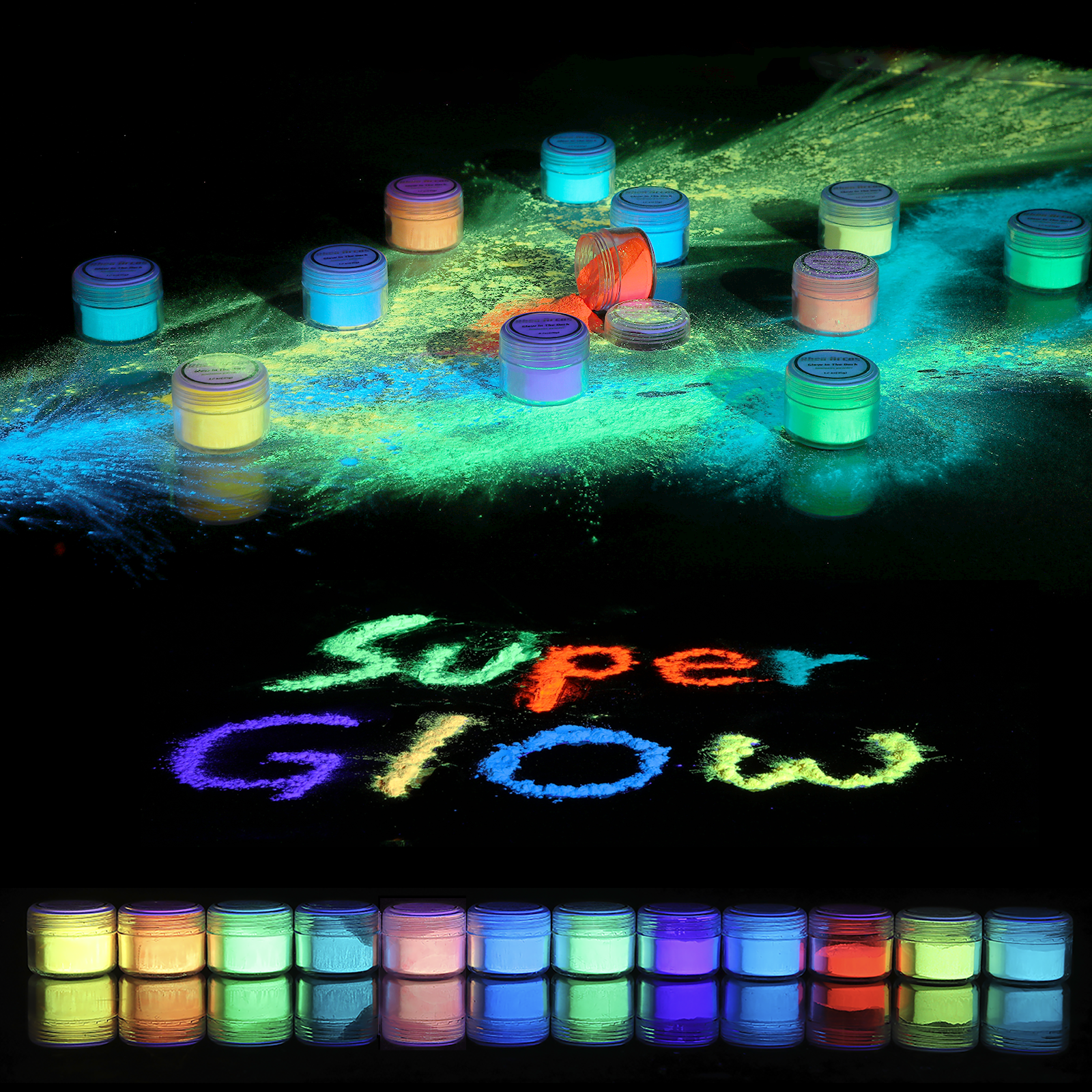
Offentlig säkerhetsinfrastruktur i platser med hög trafik kräver pålitliga och omedelbart igenkännliga vägledningssystem som fungerar effektivt även vid strömavbrott eller i nödsituationer. Luminösa skyltar utgör en avgörande förbättring inom säkerhetstekniken genom att tillhandahålla självlysande riktad vägledning som säkerställer skyddet av personer i teatrar, flygplatser, köpcentrum, sjukhus och utbildningsanläggningar. Dessa fotoluminescerande säkerhetslösningar absorberar omgivande ljus under normal drift och avger ett stadigt sken i mörker, vilket skapar synliga vägar som faktiskt kan rädda liv när konventionella belysningssystem går sönder.
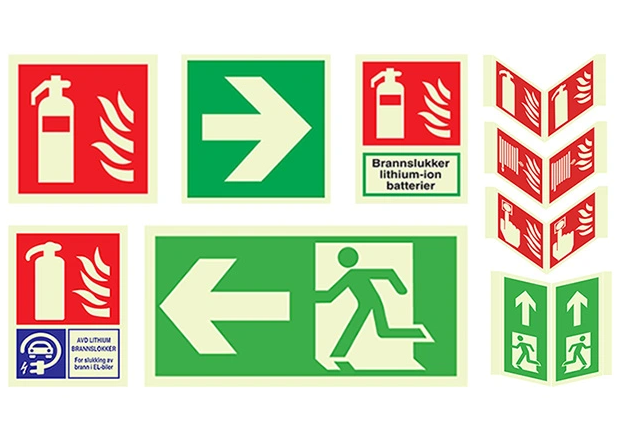
Användningen av lysande skyltar i kommersiella och institutionella miljöer löser grundläggande utmaningar inom beredskap för nödsituationer och daglig vägledning. Moderna anläggningar kräver säkerhetssystem som fungerar oberoende av elinfrastrukturen och som ger konsekvent visuell vägledning oavsett miljöförhållanden eller tillgänglighet av el. Lysande skyltar uppfyller detta krav genom avancerade fotoluminescerande material som laddas naturligt från befintlig belysning och behåller sin synlighet i flera timmar utan externa elkällor, vilket gör dem till oumbärliga komponenter i omfattande strategier för allmän säkerhet.
Kritiska säkerhetsapplikationer i teatermiljöer
Lösningar för nödutrymning i underhållningsanläggningar
Teatermiljöer ställer unika säkerhetskrav på grund av mörkade scenområden, komplexa sittplatser och möjligheten till evakuering av stora grupper vid nödsituationer. Luminösa skyltar som är installerade i hela teateranläggningen ger avgörande vägvisningsfunktioner som förblir funktionsdugliga även när salens belysning är dämpad eller helt släckt. Dessa fotoluminescerande vägvisningssystem markerar utgångsvägar, trapphus och nödutrymmningsområden med konstant synlighet, vilket hjälper till att förhindra panik och säkerställa ordnade evakueringar.
Placeringen av lysande skyltar i teatrar kräver noggrann övervägning av siktlínjer, arkitektoniska drag och publikenas rörelsemönster. Utgångsskyltar som placeras på optimala höjder och platser ger tydlig riktningsspecifik information som förblir synlig från flera olika vantagepunkter inom sittplatserna. Dessutom skapar lysande skyltar som markerar vägar på golvplan kontinuerliga vägledningssystem som hjälper besökare att navigera säkert i okända utrymmen, särskilt vid nödsituationer då synligheten kan vara nedsatt på grund av rök eller smuts.
Efterlevnad av säkerhetsföreskrifter och standarder
Teateroperatörer måste följa strikta säkerhetsregler som kräver specifika krav på nödbelysning och utgångsmarkeringssystem. Lysande skyltar hjälper anläggningar att uppfylla dessa regleringskrav samtidigt som de erbjuder förbättrade säkerhetsfunktioner som överstiger minimikraven för efterlevnad. De självlysande egenskaperna hos fotoluminiscerande skyltar säkerställa kontinuerlig drift utan beroende av reservkraftssystem, vilket adresserar potentiella felkällor som kan äventyra säkerheten under kritiska ögonblick.
Modern teatersäkerhetsregler erkänner alltmer värdet av lysande skyltar som primära eller kompletterande nödvägledningssystem. Dessa standarder specificerar miniminivåer för ljusstyrka, krav på varaktighet och placering som säkerställer effektiv prestanda i olika teaterkonfigurationer. Anläggningar som implementerar omfattande system med lysande skyltar visar en proaktiv engagemang för publikens säkerhet samtidigt som de etablerar robusta nödberedskapsfunktioner som fungerar tillförlitligt även i ogynnsamma förhållanden.
Säkerhetsinfrastruktur på flygplatser och passagerarvägledning
Terminalnavigation och nödberedskap
Flygplatsens terminaler utgör några av de mest komplexa offentliga utrymmena och kräver sofistikerade vägvisningssystem som tjänar en mångfald internationella befolkningar under varierande driftsförhållanden. Luminösa skyltar som är installerade på olika ställen i flygplatsanläggningarna ger flerspråkig säkerhetsinformation som förblir tillgänglig även vid strömavbrott, säkerhetsincidenter eller naturolyckor. Dessa fotoluminescerande system kompletterar traditionella elektroniska skärmar samtidigt som de erbjuder oberoende funktionalitet som säkerställer passagerarnas säkerhet oavsett infrastrukturstörningar.
Skalan och komplexiteten hos moderna flygplatser kräver lysande skyltar som ger tydlig riktningsoinformation över stora terminalområden, parkeringsanläggningar och områden för marktransport. Strategisk placering av fotoluminescerande vägvisningssystem skapar intuitiva navigeringsvägar som hjälper passagerare att snabbt hitta utgångar, säkerhetskontroller och nödutrymningsområden. Under kris situationer blir dessa pålitliga visuella markörer avgörande verktyg för att koordinera storskaliga evakueringar och upprätthålla ordning bland potentiellt tusentals fastsatta resenärer.
Integration med befintliga säkerhetssystem
Flygplatsens säkerhetsprotokoll kräver redundanta system som fortsätter att fungera när primär infrastruktur misslyckas, vilket gör lysande skyltar till värdefulla komponenter i omfattande strategier för hantering av nödsituationer. Dessa fotoluminescerande lösningar integreras sömlöst med befintliga brandsläckningssystem, allmänna adresssystem och utrustning för säkerhetsövervakning, samtidigt som de erbjuder oberoende funktionalitet som förstärker den totala säkerhetskapaciteten. Lysande skyltars pålitlighet under långvariga strömavbrott gör dem särskilt värdefulla i flygplatsmiljöer där reservgeneratorer kan prioriteras för kritiska driftsystem.
Modern flygplatsdesign integrerar allt mer lysande skyltar som permanenta arkitektoniska element som ger både daglig vägvisning och nödvändig vägledning vid nödsituationer. Denna integreringsansats säkerställer att fotoluminescerande system förblir synliga och tillgängliga under normala förhållanden, samtidigt som de bibehåller sina kritiska säkerhetsfunktioner vid nödsituationer. Den dubbla funktionen hos lysande skyltar gör dem till kostnadseffektiva investeringar som förbättrar anläggningens drift samtidigt som de uppfyller strikta säkerhetskrav.
Säkerhet i vårdinrättningar och skydd av patienter
Tillämpningar i sjukhuskorridorer och akutmottagningar
Vårdinrättningar kräver specialiserade säkerhetssystem som tar hänsyn till patienters begränsad rörlighet, beroende av medicinsk utrustning och driftkrav dygnet runt. Lysande skyltar som är installerade i sjukhuskorridorer, patientrum och behandlingsområden ger väsentliga vägvisningsfunktioner som förblir funktionsdugliga vid strömavbrott eller utrustningsfel. Dessa fotoluminescerande vägvisningssystem är särskilt avgörande i intensivvårdsavdelningar, operationsrum och akutavdelningar där patientsäkerheten beror på snabb tillgänglighet till utgångar och nödutrustning.
Implementeringen av lysande skyltar i vårdmiljöer måste ta hänsyn till protokoll för infektionskontroll, krav på patients integritet samt begränsningar för placering av medicinsk utrustning. Fotoluminescerande system som är avsedda för sjukhusanvändning har vanligtvis ytor med antimikrobiell verkan och en konstruktion som är lätt att rengöra, vilket stödjer strikta saneringsrutiner. Dessutom ger lysande skyltar som placeras i patientvårdsområden tröstande visuella referenser som hjälper till att minska ångest, samtidigt som viktig säkerhetsinformation förblir tillgänglig för patienter, besökare och medicinsk personal.
Långvarig vård och boende med särskild service
Långvårdssjukhus och boenden för äldre med stöd står inför unika utmaningar vad gäller beredskap vid akut händelse, på grund av invånarnas begränsad rörlighet och kognitiva funktionsnedsättningar som kan påverka evakueringsrutiner. Luminösa skyltar som är installerade i hela dessa anläggningar ger konsekvent visuell vägledning som hjälper invånare och personal att säkert navigera i bekanta utrymmen under akuta händelser. Den tillförlitliga driftsfunktionen hos fotoluminescerande system säkerställer att evakueringsvägar förblir tydligt markerade även när invånarna behöver längre tid för att nå säkerhet.
Specialiserade lysande skyltar som är utformade för vårdrelaterade applikationer innehåller ofta större grafik, högkontrastfärger och förenklad information, vilket förbättrar förståelsen bland äldre personer eller personer med synnedsättning. Dessa förbättrade synlighetsfunktioner säkerställer att avgörande säkerhetsinformation förblir tillgänglig för alla anläggningens användare oavsett ålder, fysiskt tillfälle eller kognitiv förmåga. Den kontinuerliga synligheten som lysande skyltar erbjuder stödjer också personalens arbete med att säkerställa boendes säkerhet under rutinmässiga vårdaktiviteter och i akutsituationer.
Säkerhetsimplementering på utbildningsinstitutioner
Säkerhet i skolbyggnader och elevskydd
Utbildningsanläggningar måste balansera öppna, inbjudande miljöer med robusta säkerhetssystem som skyddar elever, lärare och besökare under nödsituationer. Luminösa skyltar som är installerade i hela skolbyggnaderna ger åldersanpassad säkerhetsinformation som förblir effektiv under spärrningsrutiner, brandevakueringsprocedurer och vid kraftiga väderhändelser. Dessa fotoluminescerande system hjälper unga elever att identifiera säkra områden och utgångsvägar samt tillhandahåller tydlig riktningsspecifik information som minskar förvirringen i högstressade situationer.
Utformningen och placeringen av lysande skyltar i utbildningsmiljöer kräver hänsyn till elevers längdintervall, beteendemönster och utvecklingsmässiga förmågor. Grundskolor kan använda bildbaserade lysande skyltar som förmedlar säkerhetsinformation genom visuella symboler snarare än textbaserad kommunikation. Gymnasieskolor och universitet kan implementera mer sofistikerade fotoluminescerande vägvisningssystem som ger detaljerad vägledning samtidigt som de bibehåller de pålitliga prestandaegenskaper som är avgörande för beredskap vid nödsituationer.
Säkerhetsintegration för hela campus
Stora utbildningscampus kräver omfattande säkerhetssystem som ger konsekvent vägledning över flera byggnader, utomhusområden och specialiserade anläggningar. Luminösa skyltar som placeras ut över hela campusmiljön skapar enhetliga vägvisningssystem som hjälper studenter, lärare och besökare att navigera säkert i komplexa layouter både under rutinaktiviteter och i nödsituationer. Den standardiserade utformningen och den pålitliga prestandan hos fotoluminescerande system säkerställer att säkerhetsinformationen förblir konsekvent och igenkännbar på olika platser över hela campus.
Moderna säkerhetsprotokoll för campus betonar alltmer vikten av lysande skyltar som fungerar oberoende av elektroniska system som kan vara sårbara för cyberattacker eller tekniska fel. Dessa fotoluminescerande lösningar tillhandahåller pålitliga reservvägledningsfunktioner som kompletterar digitala vägvisningssystem samtidigt som de erbjuder förbättrad säkerhet genom sin passiva drift. Integrationen av lysande skyltar i omfattande säkerhetsplaner för campus visar institutionens engagemang för studentskydd samt etablerar motståndskraftiga beredskapsfunktioner för nödsituationer.
Tillämpningar inom detaljhandel och kommersiella anläggningar
Säkerhetssystem för köpcentrum och gallerior
Stora butikscentrum ställer betydande krav på vägvisning på grund av sin storlek, flera våningar och ständigt förändrade butiksutformningar. Luminösa skyltar som placeras ut överallt i köpcentra ger viktig säkerhetsvägledning som hjälper kunder att hitta utgångar vid nödsituationer samtidigt som de stödjer daglig navigering. Dessa fotoluminescerande system förblir synliga och fungerande även om de primära belysningssystemen faller ut, vilket säkerställer att evakueringsvägar förblir tydligt markerade oavsett omständigheter.
Placeringen av lysande skyltar i butiksmiljöer måste ta hänsyn till säsongsskyltning, kampanjdisplayar och varuarrangemang som kan hindra synligheten. Strategisk placering av fotoluminescerande vägledningssystem säkerställer att viktig säkerhetsinformation förblir tillgänglig trots tillfälliga visuella hinder. Dessutom är lysande skyltar som är utformade för butiksapplikationer ofta utrustade med arkitektoniska element som kompletterar butikens estetik utan att påverka deras primära säkerhetsfunktioner.
Kontorsbyggnad och arbetsplats säkerhet
Modern kontorsbyggnader kräver säkerhetssystem som skyddar anställda, besökare och servicepersonal i olika utrymmen, inklusive arbetsbås, konferensrum och teknikutrymmen. Luminösa skyltar som är installerade i arbetsmiljön ger pålitlig nödvägledning som fungerar oberoende av byggnadens hanteringssystem. Dessa fotoluminescerande lösningar säkerställer att evakueringsrutiner kan genomföras effektivt även vid strömavbrott eller systemfel som kan påverka elektroniska säkerhetssystem.
Användningen av lysande skyltar i kontomiljöer stödjer företagets efterlevnad av säkerhetsregler samtidigt som den visar arbetsgivarens engagemang för arbetstagarnas skydd. Fotoluminescerande vägledningssystem placerade i pausrum, lagringsutrymmen och teknikutrymmen säkerställer att säkerhetsinformation når alla byggnadsanvändare oavsett deras primära arbetsplatser. De pålitliga prestandaegenskaperna hos lysande skyltar gör dem till värdefulla komponenter i omfattande arbetsplats-säkerhetsprogram som prioriterar medarbetarnas välbefinnande och efterlevnad av regler.
Vanliga frågor
Hur länge förblir lysande skyltar synliga under strömavbrott?
Kvalitetsbelysningsskyltar som använder avancerade fotoluminescerande material bibehåller synlig belysning i 8–12 timmar efter laddning från omgivande ljuskällor. Den initiala ljusstyrkan omedelbart efter ljusexponering ger maximal synlighet för nödutrymningsförfaranden, medan den gradvisa avtagningen säkerställer fortsatt vägledning under längre strömavbrott. Regelbunden exponering för normalt anläggningsbelysning upprätthåller optimala laddningsnivåer för konsekvent prestanda.
Vilka underhållskrav ställs på fotoluminescerande säkerhetsskyltar?
Luminösa skyltar kräver minimal underhållning jämfört med elektroniska säkerhetssystem och behöver vanligtvis endast regelbunden rengöring för att ta bort damm eller smuts som kan minska ljusabsorptionseffektiviteten. Månadsvisa visuella inspektioner säkerställer att skyltarna fortfarande är korrekt monterade och tydligt synliga, medan årliga professionella bedömningar verifierar efterlevnaden av säkerhetskraven.
Kan luminösa skyltar uppfylla de lagstadgade kraven för nödutrymmningssystem?
Modern lysande skyltar som är avsedda för kommersiella applikationer uppfyller vanligtvis kraven i byggnadskoder och säkerhetsföreskrifter med god marginal. Dessa fotoluminescerande system ger efterlevande ljusstyrka, lämplig synavstånd och erforderlig varaktighetsprestanda, samtidigt som de erbjuder förbättrad tillförlitlighet tack vare sin passiva drift. Anläggningar som implementerar godkända lysande skyltssystem kan ofta minska sin beroende av batteridrivna nödbelysningsanordningar utan att förlora fullständig efterlevnad av gällande regler.
Är lysande skyltar effektiva i utomhusapplikationer och hårda miljöer?
Specialiserade lysande skyltar som är utformade för utomhusanvändning har väderbeständig konstruktion och UV-stabila fotoluminescerande material som bibehåller sin prestanda under olika miljöförhållanden. Dessa utomhusgodkända system ger pålitlig säkerhetsvägledning i parkeringsområden, byggnadens omkrets och nödutrymningszoner, samtidigt som de tål extrema temperaturer, fuktexponering och direkt solljus. Rätt val av utomhusklassade lysande skyltar säkerställer långsiktig prestanda i krävande utomhusapplikationer.