EN
EN



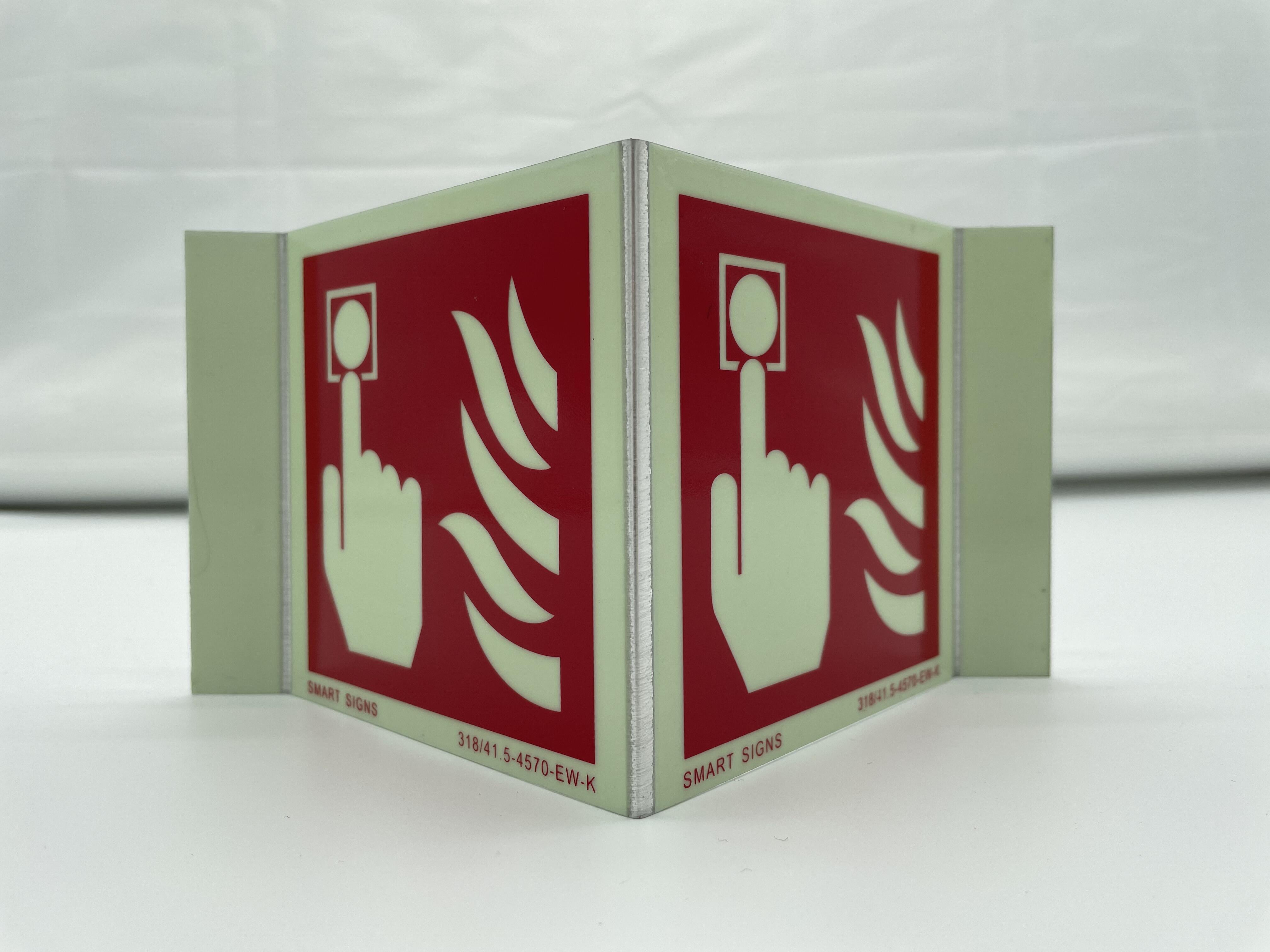
Los sistemas de orientación de emergencia requieren una visibilidad fiable durante cortes de energía, entornos llenos de humo y condiciones de poca luz, donde la señalización convencional no logra guiar a los ocupantes hacia la seguridad. Las señales luminosas proporcionan una visibilidad crítica mediante tecnología fotoluminiscente que se carga con fuentes de luz ambiental y brilla en la oscuridad, ofreciendo un sistema independiente de orientación de emergencia que funciona sin alimentación eléctrica ni sistemas de respaldo con baterías.
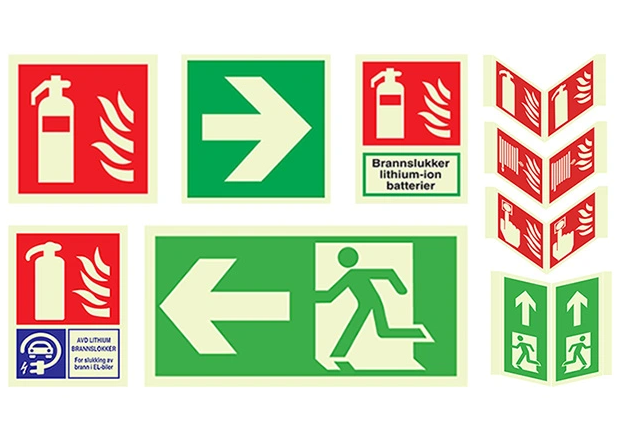
La colocación estratégica y la selección adecuada de señales luminosas determina la eficacia de las rutas de evacuación de emergencia y el cumplimiento de las normas internacionales de seguridad. Comprender los distintos tipos de soluciones fotoluminiscentes de orientación, sus requisitos óptimos de posicionamiento y las consideraciones de instalación garantiza una visibilidad máxima cuando los sistemas tradicionales de iluminación dejan de funcionar durante situaciones de emergencia.
Principios de colocación estratégica para sistemas de orientación de emergencia
Requisitos de altura y visibilidad
La altura adecuada de montaje para las señales luminosas sigue directrices reglamentarias específicas para garantizar su visibilidad por encima de posibles obstáculos y niveles de acumulación de humo. Las señales de salida de emergencia deben colocarse entre 2 y 2,44 m sobre el nivel del piso terminado, ofreciendo líneas de visión claras incluso cuando los pasillos se llenan durante los procedimientos de evacuación. Esta elevación sitúa la señal por encima de la altura media de los hombros, pero sigue siendo visible para personas de distintas estaturas.
Las señales luminosas direccionales requieren una colocación más baja, a la altura de los ojos o por debajo de ellos, normalmente montadas entre 1,22 y 1,52 m sobre la superficie del piso para guiar a las personas a lo largo de las rutas de evacuación. El material fotoluminiscente debe orientarse directamente hacia los ángulos de visión previstos, evitando sombras proyectadas por elementos arquitectónicos o mobiliario que podrían reducir su eficiencia de carga durante las condiciones normales de iluminación.
El ancho del pasillo influye en los requisitos de separación y colocación de las señales, ya que los pasillos más anchos requieren señales luminosas adicionales para garantizar una guía visual continua a lo largo de las rutas de evacuación. Los códigos de construcción especifican distancias máximas de visión para la señalización de emergencia, exigiendo normalmente su visibilidad desde 30 metros en condiciones normales y desde 7,6 metros en entornos con humo.
Consideraciones ambientales para la carga
Las señales luminosas fotoluminiscentes requieren una exposición adecuada a la luz durante el funcionamiento normal del edificio para alcanzar su capacidad máxima de carga y mantener una duración prolongada del brillo durante las emergencias. La luz natural del día proporciona las condiciones óptimas de carga, pero los sistemas de iluminación artificial deben suministrar niveles mínimos de iluminación de 54 lux para activar eficazmente los materiales fotoluminiscentes.
Las áreas con exposición limitada a la luz natural requieren una carga suplementaria mediante sistemas de iluminación LED colocados de forma que iluminen directamente las superficies fotoluminiscentes. Las señales luminosas de emergencia instaladas en niveles de sótano, corredores interiores o espacios sin ventanas necesitan luces de carga específicas que funcionen de forma continua durante las horas de ocupación para garantizar un almacenamiento energético adecuado.
La duración de la carga afecta al rendimiento luminoso: la mayoría de las señales luminosas requieren entre 60 y 90 minutos de exposición a la luz para alcanzar su salida lumínica máxima. Los horarios de iluminación del edificio deben tener en cuenta los requisitos de carga de los materiales fotoluminiscentes, manteniendo los niveles de iluminación durante todo el periodo de ocupación para asegurar que los sistemas de señalización de evacuación permanezcan completamente cargados y listos para su activación.
Tipos y aplicaciones de las soluciones fotoluminiscentes de señalización de evacuación
Sistemas de señalización de salida y direccional
Las señales luminosas de salida de emergencia sirven como indicadores primarios de orientación, señalando los puntos finales de evacuación y proporcionando una visibilidad esencial durante fallos de alimentación o averías del sistema de iluminación de emergencia. Estas señales presentan diseños de alto contraste con símbolos y textos universalmente reconocidos que permanecen visibles durante períodos prolongados tras la interrupción o el fallo de las fuentes de luz en condiciones de emergencia.
Las señales luminosas con flechas direccionales crean recorridos continuos de orientación desde cualquier ubicación del edificio hasta la salida de emergencia más cercana, utilizando una coloración verde normalizada que cumple con las normativas internacionales de seguridad. Estos indicadores direccionales guían a los ocupantes a través de planos complejos, sistemas de escaleras y instalaciones de varios niveles, donde la iluminación convencional podría verse comprometida durante eventos de emergencia.
Las señales luminosas combinadas integran la señalización de salida con la orientación direccional, proporcionando información integral de orientación mediante instalaciones de una sola señal que reducen el desorden visual sin comprometer el cumplimiento normativo. Estas señales multifunción resultan especialmente eficaces en zonas de alto tráfico donde las limitaciones de espacio impiden la instalación de sistemas independientes de señalización direccional y de salida.
Aplicaciones especializadas de orientación de emergencia
Las señales luminosas para escaleras requieren diseños especializados que tengan en cuenta las perspectivas angulares de visión y las distintas condiciones de iluminación a lo largo de las rutas verticales de evacuación. Las bandas fotoluminiscentes para señalización de peldaños mejoran la seguridad durante la evacuación de emergencia al delinear los bordes de los escalones y los límites de los descansillos, reduciendo así los riesgos de tropiezo cuando la iluminación convencional de la escalera deja de estar disponible.
Las señales luminosas montadas en el suelo proporcionan sistemas de orientación a nivel bajo que permanecen visibles incluso cuando la acumulación de humo oculta las señales montadas en las paredes a mayor altura. Estas soluciones de señalización a nivel del suelo crean una marcación continua del recorrido a lo largo de las rutas de evacuación, especialmente útiles en grandes espacios abiertos donde las señales montadas en las paredes pueden estar demasiado alejadas para ofrecer una orientación eficaz en situaciones de emergencia.
Las señales luminosas en los marcos de las puertas delimitan las salidas de emergencia y las entradas críticas, creando contornos altamente visibles que ayudan a los ocupantes a identificar rápidamente los puntos de salida durante situaciones de emergencia. Estos sistemas de marcación perimetral complementan las señales tradicionales de salida al ofrecer objetivos visuales ampliados que siguen siendo reconocibles incluso cuando los ángulos de visión o las condiciones ambientales limitan la legibilidad de las señales.
Normas de instalación y cumplimiento normativo
Requisitos del código de edificación y normas internacionales
Los códigos de construcción internacionales establecen requisitos específicos para las señales luminosas en los sistemas de orientación de emergencia, incluidos los niveles mínimos de brillo, las especificaciones de duración del resplandor y los requisitos de densidad de colocación en las distintas clasificaciones de ocupación de edificios. Estas normativas garantizan un rendimiento coherente de la orientación de emergencia en diversos tipos de instalaciones y patrones de uso.
El Código NFPA 101 de Seguridad contra Incendios ofrece orientaciones detalladas para los sistemas fotoluminiscentes de evacuación de emergencia, especificando los requisitos de iluminación de carga, los intervalos de separación entre señales y los protocolos de ensayo de rendimiento que verifican que las señales luminosas mantengan una visibilidad adecuada durante condiciones de emergencia prolongadas. El cumplimiento exige la documentación de los niveles de luz de carga y la verificación periódica del rendimiento mediante procedimientos normalizados de ensayo.
Las normas de la Organización Marítima Internacional regulan la instalación de señales luminosas a bordo de embarcaciones, exigiendo especificaciones mejoradas de durabilidad y sistemas de fijación especializados que resistan las condiciones ambientales marinas, manteniendo al mismo tiempo la funcionalidad de orientación de emergencia durante los procedimientos de evacuación de la embarcación.
Normas de calidad y especificaciones de rendimiento
La calidad del material fotoluminiscente afecta directamente el rendimiento y la durabilidad de las señales luminosas; los materiales de grado industrial ofrecen una retención de brillo superior y una mayor vida útil en comparación con alternativas estándar de uso doméstico. Los compuestos fotoluminiscentes de alto rendimiento mantienen una emisión luminosa efectiva durante 10 a 24 horas tras su carga, garantizando una visibilidad adecuada en situaciones de emergencia durante escenarios de evacuación prolongados.
Las especificaciones de resistencia ambiental garantizan que las señales luminosas mantengan su integridad funcional bajo distintas condiciones de temperatura, humedad y exposición química típicas de instalaciones comerciales e industriales. Los materiales fotoluminiscentes estables frente a los rayos UV evitan su degradación por exposición prolongada a la luz solar, mientras que los soportes resistentes a la humedad conservan la integridad de las señales en entornos de alta humedad.
La certificación mediante ensayos realizados por terceros valida el rendimiento de las señales luminosas conforme a las normas industriales establecidas, proporcionando a los responsables de instalaciones una prueba documentada de cumplimiento y de capacidades funcionales. Las auditorías periódicas de rendimiento verifican su eficacia continua e identifican las señales que requieren sustitución o mantenimiento para garantizar el funcionamiento óptimo del sistema de señalización de emergencia.
Mantenimiento y Optimización del Rendimiento
Mantenimiento de limpieza y carga de la luz
La limpieza regular mantiene la eficiencia de la superficie fotoluminiscente al eliminar el polvo, la suciedad y otros contaminantes que reducen la absorción de luz durante los ciclos de carga y disminuyen la intensidad del brillo durante la activación de emergencia. Los protocolos de limpieza mensuales, que utilizan soluciones detergentes suaves, preservan la capacidad de carga de las señales luminosas sin dañar los recubrimientos fotoluminiscentes ni los materiales de la capa subyacente.
El mantenimiento de las luces de carga garantiza niveles de iluminación constantes, necesarios para la activación eficaz de los materiales fotoluminiscentes; los sistemas LED ofrecen soluciones de carga fiables y eficientes desde el punto de vista energético, que minimizan los requisitos de mantenimiento mientras proporcionan una salida luminosa constante durante largos períodos de funcionamiento. Las luces de carga fundidas o atenuadas comprometen la eficacia del sistema de orientación de emergencia y requieren su sustitución inmediata para mantener el cumplimiento de los requisitos de seguridad.
Los factores ambientales, como el polvo de construcción, los vapores de cocción o las emisiones industriales, pueden acelerar la contaminación de las superficies de las señales luminosas, lo que requiere ajustar los programas de limpieza para mantener un rendimiento fotoluminiscente óptimo. Las instalaciones con condiciones ambientales adversas deben establecer protocolos de inspección y limpieza más frecuentes para garantizar una fiabilidad constante del sistema de señalización de emergencia.
Pruebas de rendimiento y ciclos de sustitución
Las pruebas sistemáticas de rendimiento verifican que las señales luminosas mantengan los niveles de brillo y la duración del resplandor requeridos durante toda su vida útil; los protocolos anuales de prueba miden la salida fotoluminiscente en condiciones controladas que simulan escenarios de emergencia. Estas pruebas identifican las señales que requieren sustitución antes de que una degradación del rendimiento comprometa la eficacia del sistema de señalización de emergencia.
Los ciclos de reemplazo de las señales luminosas dependen de la calidad del material, de las condiciones ambientales y de la intensidad de uso, con vidas útiles típicas que oscilan entre 5 y 15 años para sistemas fotoluminiscentes de alta calidad. Los programas proactivos de reemplazo evitan fallos del sistema de orientación en emergencias y garantizan el cumplimiento continuo de las normativas de seguridad durante todo el período operativo del edificio.
La documentación de las actividades de mantenimiento, los resultados de las pruebas de rendimiento y los calendarios de reemplazo constituye una prueba de cumplimiento normativo y apoya la planificación de la preparación ante emergencias de las instalaciones. Los registros completos de mantenimiento demuestran la debida diligencia en la gestión de los sistemas de seguridad para emergencias y facilitan los procesos de inspección exigidos por las compañías aseguradoras y las autoridades reguladoras.
Preguntas frecuentes
¿Cuánto tiempo permanecen luminosas las señales tras una interrupción de la alimentación eléctrica?
Las señales luminosas de alta calidad suelen brillar entre 8 y 24 horas después de perder su fuente de luz, dependiendo del grado del material fotoluminiscente y de la duración de la carga recibida antes de su activación. Los materiales fotoluminiscentes de grado industrial ofrecen una duración prolongada del brillo, adecuada para escenarios de emergencia prolongados, manteniendo niveles de luminosidad legibles durante todo el período crítico de evacuación, cuando los sistemas de iluminación de emergencia podrían verse afectados.
¿Qué niveles de iluminación se requieren para la carga señales Fotoluminiscentes efectiva?
La carga efectiva de las señales luminosas requiere niveles mínimos de iluminación de 54 lux (5 foot-candles), mantenidos de forma constante durante las horas en que el edificio esté ocupado. La luz natural del día proporciona condiciones óptimas de carga, pero los sistemas de iluminación artificial deben suministrar una intensidad lumínica adecuada directamente sobre las superficies fotoluminiscentes durante 60 a 90 minutos para lograr el almacenamiento máximo de energía y las capacidades máximas de duración del brillo durante la activación de emergencia.
¿Pueden los rótulos luminosos sustituir a los sistemas tradicionales de iluminación de emergencia?
Los rótulos luminosos complementan, pero no sustituyen, los sistemas tradicionales de iluminación de emergencia, actuando como soluciones alternativas de señalización para la orientación que funcionan de forma independiente cuando falla o queda comprometida la iluminación de emergencia eléctrica. Normalmente, los códigos de construcción exigen tanto rótulos fotoluminiscentes para la orientación como sistemas eléctricos de iluminación de emergencia, con el fin de proporcionar medidas de seguridad redundantes que garanticen la capacidad de evacuación de los ocupantes en diversos escenarios de emergencia y condiciones de fallo del sistema.
¿Con qué frecuencia deben inspeccionarse y mantenerse los rótulos luminosos?
La inspección periódica de las señales luminosas debe realizarse mensualmente para verificar la contaminación superficial, daños o fallos en la luz de carga que podrían comprometer el rendimiento de la señalización de emergencia. Las pruebas profesionales anuales verifican que la salida fotoluminiscente cumpla con los requisitos reglamentarios, mientras que una limpieza exhaustiva cada 60 a 90 días mantiene una eficiencia óptima de carga y un rendimiento luminoso adecuado durante toda la vida útil operativa de las señales.
Tabla de contenidos
- Principios de colocación estratégica para sistemas de orientación de emergencia
- Tipos y aplicaciones de las soluciones fotoluminiscentes de señalización de evacuación
- Normas de instalación y cumplimiento normativo
- Mantenimiento y Optimización del Rendimiento
-
Preguntas frecuentes
- ¿Cuánto tiempo permanecen luminosas las señales tras una interrupción de la alimentación eléctrica?
- ¿Qué niveles de iluminación se requieren para la carga señales Fotoluminiscentes efectiva?
- ¿Pueden los rótulos luminosos sustituir a los sistemas tradicionales de iluminación de emergencia?
- ¿Con qué frecuencia deben inspeccionarse y mantenerse los rótulos luminosos?