EN



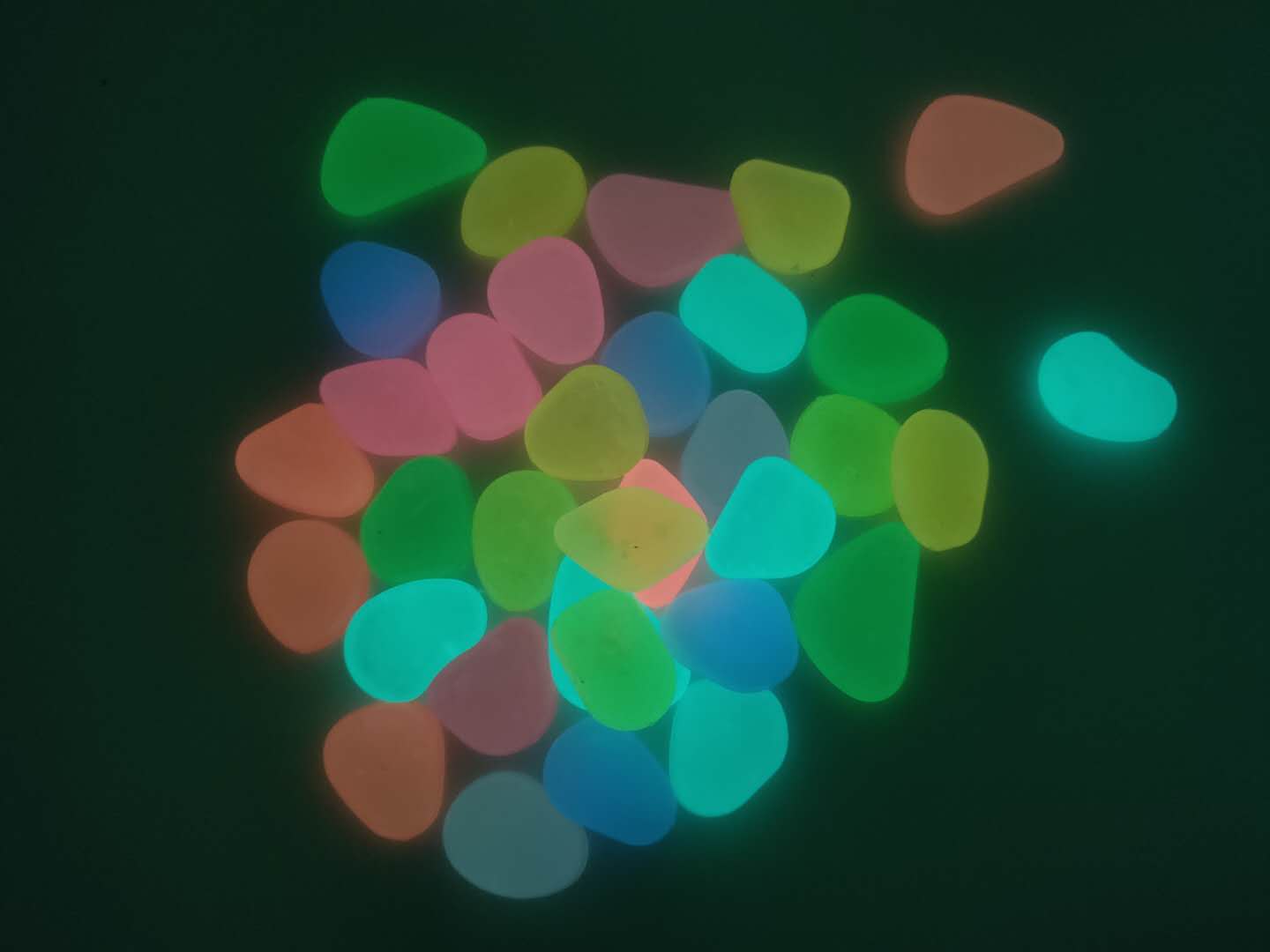
Outdoor landscaping projects often incorporate decorative elements that enhance aesthetics while serving practical purposes. Glow in the dark pebbles have become increasingly popular for garden pathways, accent lighting, and emergency exit marking in commercial and residential spaces. However, property owners frequently ask whether glow in the dark pebbles can withstand the elements, including rain, snow, UV exposure, and temperature fluctuations. Understanding the weatherproofing capabilities of glow in the dark pebbles is essential before investing in these luminescent materials for outdoor applications.

The durability of glow in the dark pebbles depends on their composition, manufacturing quality, and environmental conditions they encounter. Modern glow in the dark pebbles are engineered using photoluminescent materials that absorb solar energy during the day and release it as visible light at night. This article explores the weatherproofing characteristics of glow in the dark pebbles, examines how they perform in various climatic conditions, and provides guidance on maintaining their luminescence over extended outdoor use.
Material Composition and Weatherproof Properties
Photoluminescent Technology in Glow in the Dark Pebbles
Glow in the dark pebbles utilize photoluminescent compounds, typically strontium aluminate or zinc sulfide, embedded within a protective resin matrix. The glow in the dark pebbles are engineered to maintain their luminescent properties while resisting environmental degradation. The outer protective layer of glow in the dark pebbles is designed to shield the active luminescent materials from direct exposure to moisture, which could otherwise compromise their efficiency. Quality manufacturers apply UV-resistant coatings to glow in the dark pebbles to prevent the resin matrix from becoming brittle or discolored under prolonged sunlight exposure.
Resin Durability and Weather Resistance
The resin binding in glow in the dark pebbles serves as the primary defense against moisture infiltration and chemical degradation. Premium-grade glow in the dark pebbles incorporate epoxy or polyurethane resins known for superior adhesion and flexibility, which reduces cracking when materials experience thermal expansion and contraction. Standard glow in the dark pebbles may use lower-grade acrylic resins that offer adequate durability for moderate climates but may deteriorate faster in extreme conditions. The thickness and quality of the resin coating directly influence how long glow in the dark pebbles maintain their weatherproof integrity and luminescent output.
Performance Under Harsh Environmental Conditions
Rain, Moisture, and Water Resistance
Glow in the dark pebbles are specifically engineered to resist water intrusion, making them suitable for areas with regular rainfall. The non-porous nature of quality glow in the dark pebbles prevents water from seeping into the luminescent core, which would cause the materials to lose their glow properties. However, prolonged submersion or pooling water against glow in the dark pebbles can eventually compromise weaker resin seals over years of exposure. Installation practices significantly affect how well glow in the dark pebbles perform in wet environments. Proper drainage around areas where glow in the dark pebbles are placed ensures that standing water does not accumulate, extending the lifespan of these decorative elements.
UV Exposure and Temperature Fluctuations
Ultraviolet radiation represents one of the primary challenges for maintaining glow in the dark pebbles in outdoor settings. While glow in the dark pebbles require UV light during daytime to charge effectively, excessive unfiltered UV exposure can cause the resin matrix to degrade over time. Premium glow in the dark pebbles incorporate UV stabilizers and protective coatings that slow this degradation process. Temperature cycling, where glow in the dark pebbles experience repeated heating and cooling cycles, can cause micro-fractures in the resin if the material lacks sufficient flexibility. In regions experiencing freeze-thaw cycles, glow in the dark pebbles must be manufactured to resist water absorption, as ice formation within material pores would cause expansion and structural failure.
Maintenance and Longevity Enhancement
Cleaning and Protective Measures
Regular maintenance significantly extends the weatherproof performance of glow in the dark pebbles. Periodic rinsing with clean water removes dirt and algae buildup that can reduce light absorption efficiency in glow in the dark pebbles. Gentle brushing with soft-bristled tools helps maintain the surface clarity of glow in the dark pebbles without damaging the protective resin coating. Avoiding abrasive cleaners or pressure washing ensures that glow in the dark pebbles retain their protective layer. Applying protective sealant every 2–3 years can refresh the water-resistance properties of glow in the dark pebbles, particularly in climates experiencing harsh winters or intense UV exposure.
Installation Best Practices
How glow in the dark pebbles are installed directly impacts their weatherproofing effectiveness. Placing glow in the dark pebbles on elevated surfaces or in areas with good drainage prevents water accumulation that would compromise their durability. Avoiding direct contact with concrete or soil that retains moisture helps glow in the dark pebbles maintain their condition longer. Grouping glow in the dark pebbles in well-ventilated areas promotes faster drying after rain, reducing the time these materials remain in contact with moisture. Protecting glow in the dark pebbles from foot traffic in high-traffic areas prevents physical damage that could compromise the resin seal and expose the luminescent core.
Expected Lifespan and Replacement Considerations
Durability Timeline for Outdoor Glow in the Dark Pebbles
High-quality glow in the dark pebbles typically maintain effective luminescence and weatherproof protection for 5–10 years in outdoor environments. The lifespan of glow in the dark pebbles varies based on climate severity, maintenance consistency, and manufacturing quality. In moderate climates with regular maintenance, glow in the dark pebbles can perform reliably at the longer end of this range. Extreme climates with intense UV exposure, frequent freeze-thaw cycles, or high humidity may reduce the effective lifespan of glow in the dark pebbles to 4–6 years. Even as glow in the dark pebbles age, they may retain partial luminescence while their weatherproof properties gradually diminish.
Signs of Degradation and Performance Decline
Property owners should monitor glow in the dark pebbles for visible signs of weathering that indicate declining durability. Discoloration, cloudiness, or a chalky appearance on the surface of glow in the dark pebbles suggests UV damage to the protective resin coating. A noticeable decrease in nighttime luminescence intensity indicates that glow in the dark pebbles are losing their charge retention capacity or that moisture has begun infiltrating the photoluminescent material. Cracks or chips in the resin of glow in the dark pebbles represent direct pathways for moisture intrusion and should prompt replacement of affected materials. Soft spots or a rubbery texture in aged glow in the dark pebbles suggests advanced resin degradation that compromises weatherproof integrity.
FAQ
Are glow in the dark pebbles truly waterproof, or just water-resistant?
Glow in the dark pebbles are classified as water-resistant rather than completely waterproof. Quality glow in the dark pebbles resist water penetration when properly installed and maintained, but prolonged immersion or standing water can eventually compromise their durability. The distinction matters because true waterproofing is absolute, while water resistance acknowledges that glow in the dark pebbles can handle normal rainfall and moisture exposure without immediate damage. Proper drainage and maintenance ensure that glow in the dark pebbles perform reliably in residential and commercial outdoor settings for many years.
Can glow in the dark pebbles withstand snow and ice?
Glow in the dark pebbles can withstand snow and ice if they are manufactured with freeze-thaw resistance and installed properly. However, repeated freeze-thaw cycles can accelerate degradation of lower-quality glow in the dark pebbles because ice formation in microscopic pores causes expansion that stresses the resin matrix. Winter salt application can also damage glow in the dark pebbles more rapidly than in salt-free climates. Selecting glow in the dark pebbles specifically engineered for cold climates and ensuring proper drainage minimizes winter-related damage. Covering glow in the dark pebbles with landscape fabric during the harshest winter months provides extra protection in regions experiencing severe freeze-thaw cycling.
How often should glow in the dark pebbles be replaced due to weathering?
Well-maintained glow in the dark pebbles typically require replacement every 7–10 years in moderate climates, though harsh conditions may necessitate replacement every 4–6 years. Regular maintenance, including annual cleaning and resealing every 2–3 years, extends the effective lifespan of glow in the dark pebbles significantly. Rather than replacing all glow in the dark pebbles at once, property owners often spot-replace visibly degraded materials while maintaining functional pebbles. Monitoring luminescence intensity and visible surface damage helps determine the optimal replacement timing for glow in the dark pebbles. Investment in premium-grade glow in the dark pebbles upfront often reduces long-term replacement frequency and overall maintenance costs.