EN



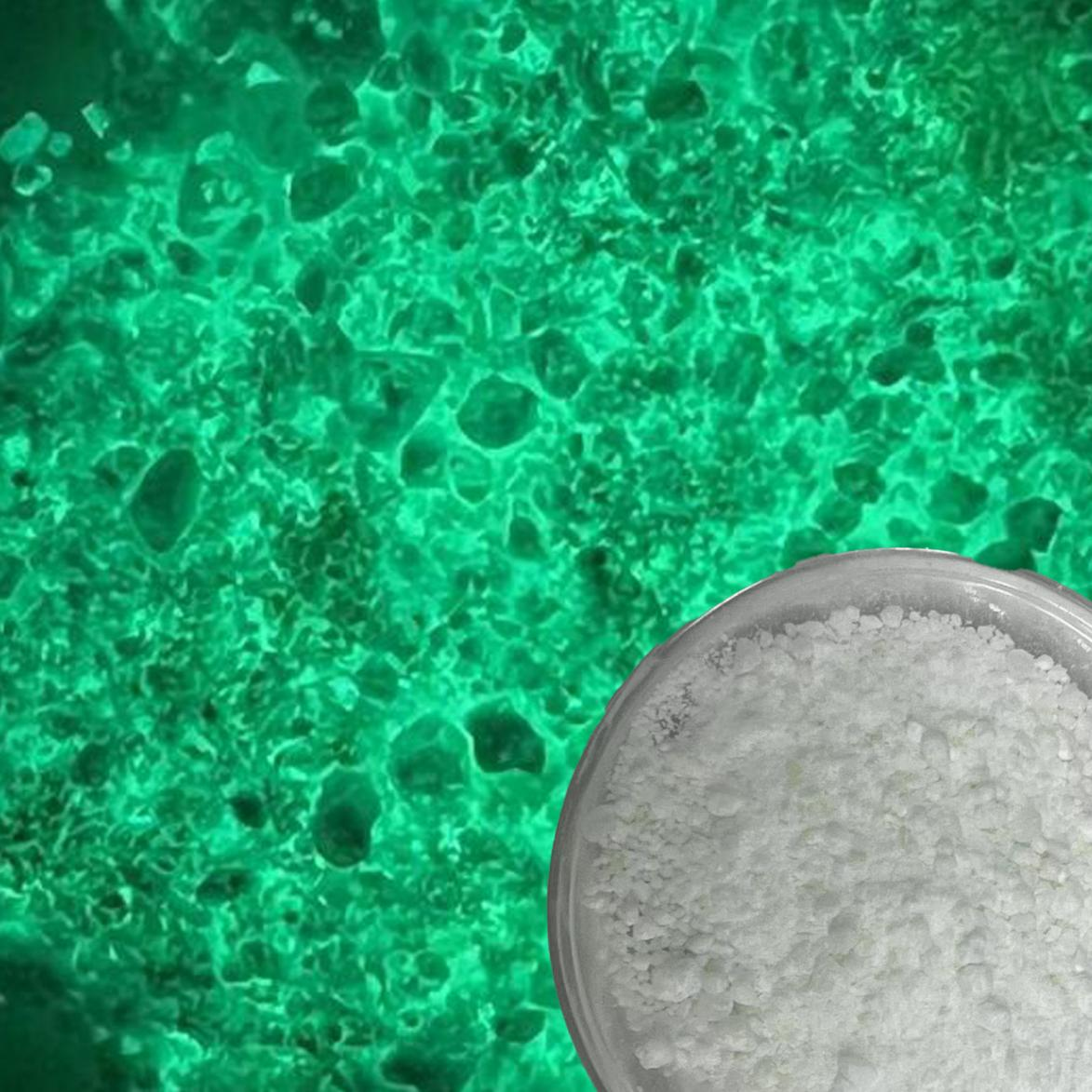
The evolution of roadway safety has taken a luminous turn with the introduction of advanced road marking paint solutions that glow in the dark. Traditional road marking paint relies solely on reflective properties and daytime visibility, but modern road marking paint now incorporates photoluminescent technology to create safer driving environments during nighttime hours. This innovative approach to road marking paint transforms how highways, parking lots, and urban streets maintain visibility when natural light fades, offering a transformative safety enhancement that extends beyond conventional road marking paint applications.

Understanding the mechanics and applications of road marking paint that glows in darkness requires examining both the chemistry behind photoluminescent road marking paint and its practical deployment across various infrastructure projects. Modern road marking paint formulations combine durability standards with light-absorbing compounds that enable road marking paint to store solar energy during daylight hours and release it as visible light throughout the night. This dual functionality makes road marking paint with glow properties an increasingly popular choice for transportation departments, facility managers, and safety engineers seeking to reduce nighttime accidents and improve emergency response visibility.
The Technology Behind Photoluminescent Road Marking Paint
How Photoluminescent Road Marking Paint Works
Photoluminescent road marking paint operates through a straightforward but effective scientific principle: the paint contains compounds that absorb ambient light energy and subsequently emit that energy as visible light during darkness. The core technology in road marking paint of this type involves strontium aluminate or similar rare-earth minerals embedded within the paint matrix, allowing the road marking paint to achieve luminescence without requiring external power sources. When traffic engineers select road marking paint for critical applications, they must understand that the brightness intensity of road marking paint depends on prior light exposure, ambient temperature, and the quality of the photoluminescent additives used in the formulation.
Durability and Performance Specifications
Quality road marking paint designed for glow-in-the-dark applications must meet rigorous performance standards including durability through multiple freeze-thaw cycles, UV resistance, and consistent luminescence for at least ten years. Professional-grade road marking paint maintains its photoluminescent properties even after exposure to harsh weather conditions, road salt, and vehicle tire abrasion. The selection of road marking paint requires verification that formulations have undergone accelerated aging tests and outdoor field trials to ensure that the road marking paint remains visible and functional throughout its intended service life, typically lasting longer than traditional road marking paint alternatives in many applications.
Applications and Installation of Glow Road Marking Paint
Infrastructure Uses for Road Marking Paint
Road marking paint with photoluminescent properties serves critical functions across diverse infrastructure contexts where enhanced nighttime visibility directly impacts safety outcomes. Highway departments deploy road marking paint to mark lane boundaries, center lines, edge lines, and hazard zones where conventional road marking paint alone provides insufficient visibility during low-light conditions. Parking facilities, airport runways, parking garages, industrial sites, and emergency evacuation routes all benefit from the installation of road marking paint that maintains visibility without relying on electricity or active lighting systems. The flexibility of road marking paint applications means that facilities can retrofit existing marked areas with photoluminescent road marking paint relatively easily, making this technology accessible for both new construction projects and maintenance upgrades to established road marking paint systems.
Installation Best Practices for Road Marking Paint
Proper application of photoluminescent road marking paint requires surface preparation that exceeds standard procedures for conventional road marking paint installation. The substrate must be clean, dry, and free from contaminants to ensure optimal adhesion of the road marking paint and maximize the luminescent performance of its photoluminescent additives. Professional installers apply road marking paint in controlled environmental conditions, typically between fifty and eighty-five degrees Fahrenheit, to achieve proper curing and activation of the photoluminescent properties. Multiple thin coats of road marking paint generally perform better than single thick applications, as this technique allows each layer of road marking paint to achieve more consistent light absorption and emission characteristics throughout its thickness, ultimately extending the operational lifespan of the road marking paint system.
Safety Benefits and Economic Considerations of Road Marking Paint
Safety Improvements from Photoluminescent Road Marking Paint
The primary advantage of implementing photoluminescent road marking paint lies in documented reductions in nighttime accidents along routes where such road marking paint has been installed. Studies from multiple transportation authorities demonstrate that road marking paint with glow-in-the-dark properties reduces nighttime collision rates by fifteen to thirty percent compared to conventional road marking paint, particularly in areas with inadequate street lighting or during inclement weather conditions. Emergency response teams benefit from enhanced visibility that road marking paint provides during critical operations, as the persistent luminescence of quality road marking paint guides vehicles and personnel even when active lighting systems experience power failures or become overwhelmed by multiple simultaneous incidents.
Cost Analysis and Return on Investment
While photoluminescent road marking paint involves higher initial material costs compared to standard road marking paint, the total cost of ownership often favors glow-in-the-dark road marking paint when accounting for reduced accident rates, lower maintenance requirements, and extended service life. Road marking paint that glows requires no electrical infrastructure, eliminating the ongoing expenses associated with powering traditional lighting systems, making road marking paint a more economically sustainable choice for long-term infrastructure investment. Facilities that implement photoluminescent road marking paint often experience faster emergency response times and reduced liability exposure related to nighttime accidents, factors that justify the premium pricing of advanced road marking paint formulations. The comparison between initial installation costs of road marking paint and potential savings from accident prevention demonstrates that quality photoluminescent road marking paint represents sound financial planning for responsible facility management.
FAQ
How long does photoluminescent road marking paint glow after sunset?
Quality photoluminescent road marking paint typically maintains adequate brightness for five to twelve hours after sunset, depending on the intensity of prior daylight exposure and the specific formulation of the road marking paint. Road marking paint that received maximum solar charging during daylight will glow more intensely and for longer periods than road marking paint exposed to limited or cloudy conditions. Performance of road marking paint continues throughout the night, though brightness gradually diminishes as the absorbed energy releases, so the road marking paint appears brightest during the first few hours after darkness falls.
Can road marking paint with glow properties be applied over existing pavement markings?
Yes, photoluminescent road marking paint can typically be applied over properly prepared existing markings, including conventional road marking paint, though surface preparation remains critical for success. The existing road marking paint must be firmly adhered and free from peeling before applying new photoluminescent road marking paint, as poor substrate conditions will compromise adhesion and longevity of the new road marking paint layer. Professional contractors assess each existing road marking paint situation individually to determine whether direct overlay or complete removal and reapplication of road marking paint offers better long-term performance and cost-effectiveness.
What maintenance does photoluminescent road marking paint require?
Photoluminescent road marking paint requires minimal active maintenance compared to electrically powered lighting systems, though periodic inspections ensure the road marking paint maintains adequate visibility throughout its service life. Routine cleaning of road marking paint to remove accumulated dirt and debris optimizes light absorption and therefore the brightness of the road marking paint during nighttime hours. Most facilities performing standard street cleaning and sweeping maintain their photoluminescent road marking paint adequately, as the road marking paint's passive light-absorption mechanism eliminates the complex maintenance procedures associated with traditional lighting infrastructure.