EN



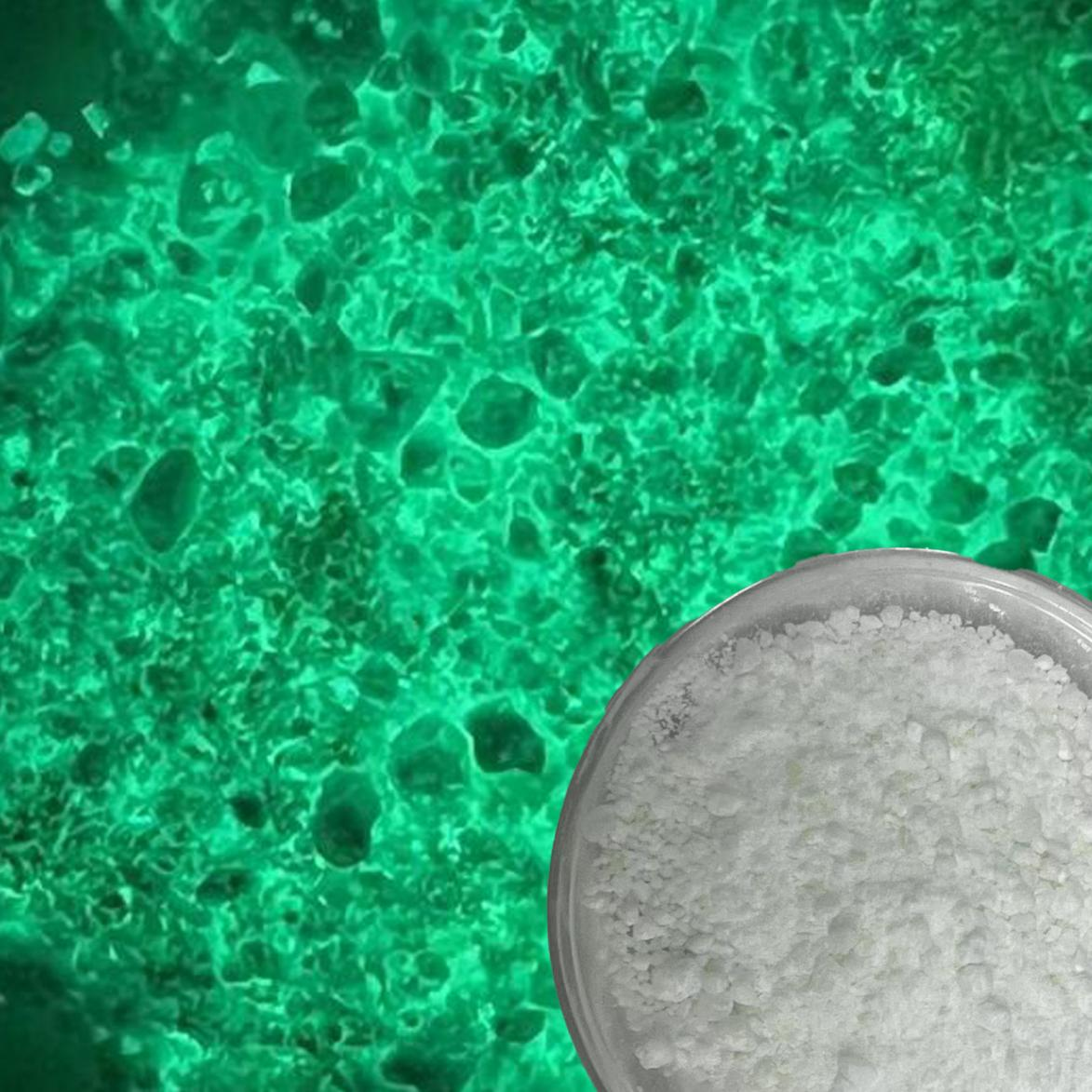
Night-time driving presents unique challenges that demand innovative solutions to protect motorists and pedestrians alike. Traditional road marking paint struggles to maintain visibility once darkness falls, creating hazardous conditions where drivers rely primarily on headlights to navigate roadways. Glow in the dark road marking paint addresses this critical safety gap by providing passive illumination that persists without electricity or active power sources. This advanced road marking paint technology absorbs solar energy during daylight hours and releases it as a soft, continuous glow throughout the night, ensuring that lane boundaries, curves, and hazard zones remain clearly visible to drivers regardless of weather conditions or ambient lighting.

The performance of modern glow in the dark road marking paint stems from photoluminescent materials embedded within the paint formulation. These materials function as miniature energy reservoirs, capturing photons during daylight exposure and gradually releasing them as visible light after sunset. Unlike reflective road marking paint that requires direct headlight reflection, this road marking paint operates independently and provides consistent guidance even when vehicle lights do not directly illuminate road surfaces. For highway departments, urban planners, and road safety engineers, glow in the dark road marking paint represents a transformative approach to reducing night-time accidents, improving driver reaction times, and creating infrastructure that actively contributes to safer transportation networks.
How Glow in the Dark Road Marking Paint Enhances Visibility
The Physics Behind Photoluminescent Road Marking Paint
Glow in the dark road marking paint contains photoluminescent pigments that operate through a well-understood scientific principle called persistent luminescence. When photons from sunlight strike these specialized pigments, they excite electrons to higher energy states. As the sun sets and external light diminishes, these excited electrons gradually return to their ground state, releasing energy as visible light in wavelengths that human eyes can easily detect. The intensity of glow in the dark road marking paint depends on the concentration and quality of photoluminescent pigments, the duration of daylight exposure, and environmental factors such as cloud cover and seasonal sun angle. High-quality road marking paint formulations maintain visible glow for six to ten hours after sunset, providing continuous visibility throughout typical night-time driving periods.
Comparison with Traditional Road Marking Paint Solutions
Standard road marking paint relies on reflective beads or paint formulations that bounce light from vehicle headlights back to drivers' eyes. While effective in direct illumination scenarios, traditional road marking paint becomes problematic during periods when vehicles are spaced far apart, when oncoming traffic creates poor lighting angles, or when heavy rain reduces reflective efficiency. Glow in the dark road marking paint eliminates these limitations by providing independent illumination that functions regardless of headlight presence or angle. The combination of glow in the dark road marking paint with reflective elements creates a dual-safety system that covers both active illumination scenarios and passive night-time visibility, significantly outperforming road marking paint solutions that rely on reflection alone.
Safety Benefits and Infrastructure Impact
Accident Reduction and Driver Response Enhancement
Research in transportation safety demonstrates that improved visibility directly correlates with reduced accident rates, particularly on curves, intersections, and highway merges where road geometry demands precise positioning. Glow in the dark road marking paint enables drivers to identify lane boundaries, hazard zones, and directional changes at greater distances, allowing for earlier reaction times and smoother vehicle control during night-time driving. Pedestrians benefit equally from glow in the dark road marking paint, as clearly marked crosswalks and roadway edges reduce the risk of stepping into traffic during hours of darkness. The passive nature of glow in the dark road marking paint means these safety benefits persist reliably without maintenance requirements or power infrastructure dependencies.
Economic and Environmental Advantages
Unlike electric-powered road lighting systems that require extensive infrastructure investment, ongoing electrical costs, and regular maintenance, glow in the dark road marking paint operates entirely through solar energy absorption. Road agencies implementing glow in the dark road marking paint reduce their operational budgets while maintaining or improving safety outcomes. The environmental impact of glow in the dark road marking paint is minimal, as it requires no electricity consumption, produces no emissions, and remains durable for years without replacement. Rural roads, remote highways, and developing regions with limited electrical infrastructure benefit substantially from glow in the dark road marking paint, which democratizes access to improved night-time visibility regardless of local power availability.
Implementation Considerations and Performance Factors
Application Techniques and Surface Compatibility
Successful implementation of glow in the dark road marking paint requires proper surface preparation and application methodology to ensure optimal photoluminescent performance. The road surface must be clean, dry, and free of contaminants that could interfere with pigment activation or light emission. Professional application of glow in the dark road marking paint typically involves specialized equipment that ensures uniform coverage and consistent pigment distribution. The road marking paint performs optimally on asphalt and concrete surfaces, where stable bonding allows photoluminescent particles to receive consistent sunlight exposure. Climate conditions during application affect cure time and initial glow intensity, so glow in the dark road marking paint should be applied during weather windows that promote proper drying and pigment settling.
Durability, Maintenance, and Environmental Factors
The longevity of glow in the dark road marking paint depends on traffic volume, exposure to UV radiation, weather conditions, and the quality of the paint formulation used. Heavy traffic areas may experience faster surface wear, requiring road marking paint reapplication every three to five years, while lighter-traffic routes may retain full functionality for seven to ten years. Regular cleaning and maintenance of glow in the dark road marking paint removes accumulated dust and debris that reduce light absorption and glow intensity. Seasonal variations affect performance, as winter conditions with shorter daylight hours may reduce glow duration, while summer months provide extended illumination periods. Glow in the dark road marking paint also demonstrates excellent resistance to rain, snow, and temperature extremes, maintaining structural integrity and photoluminescent properties across diverse climatic zones.
FAQ
How long does glow in the dark road marking paint glow after sunset?
High-quality glow in the dark road marking paint typically maintains visible luminescence for six to ten hours following sunset, depending on daylight exposure duration, season, and pigment concentration within the formulation. In summer months with extended daylight, glow in the dark road marking paint may provide illumination throughout the entire night, while winter conditions may shorten the effective glow duration. Environmental factors such as cloud cover during the day and ambient temperature variations affect the intensity and duration of glow in the dark road marking paint performance.
Can glow in the dark road marking paint be applied to existing road surfaces?
Yes, glow in the dark road marking paint can be applied directly to existing asphalt or concrete roads following proper surface preparation. The road surface must be cleaned thoroughly to remove dirt, algae, and loose debris that could compromise adhesion of the glow in the dark road marking paint. Professional application methods ensure that glow in the dark road marking paint bonds effectively to worn or weathered surfaces, though heavily damaged roads may require preliminary repairs for optimal results.
Is glow in the dark road marking paint more expensive than traditional road markings?
While initial material costs for glow in the dark road marking paint may exceed traditional reflective paint, the total cost of ownership often favors glow in the dark road marking paint due to elimination of electrical infrastructure expenses and reduced long-term maintenance requirements. Roads implementing glow in the dark road marking paint avoid costs associated with street lighting systems, power consumption, and fixture maintenance, making glow in the dark road marking paint a financially sound investment over ten to fifteen year planning horizons.