EN
EN



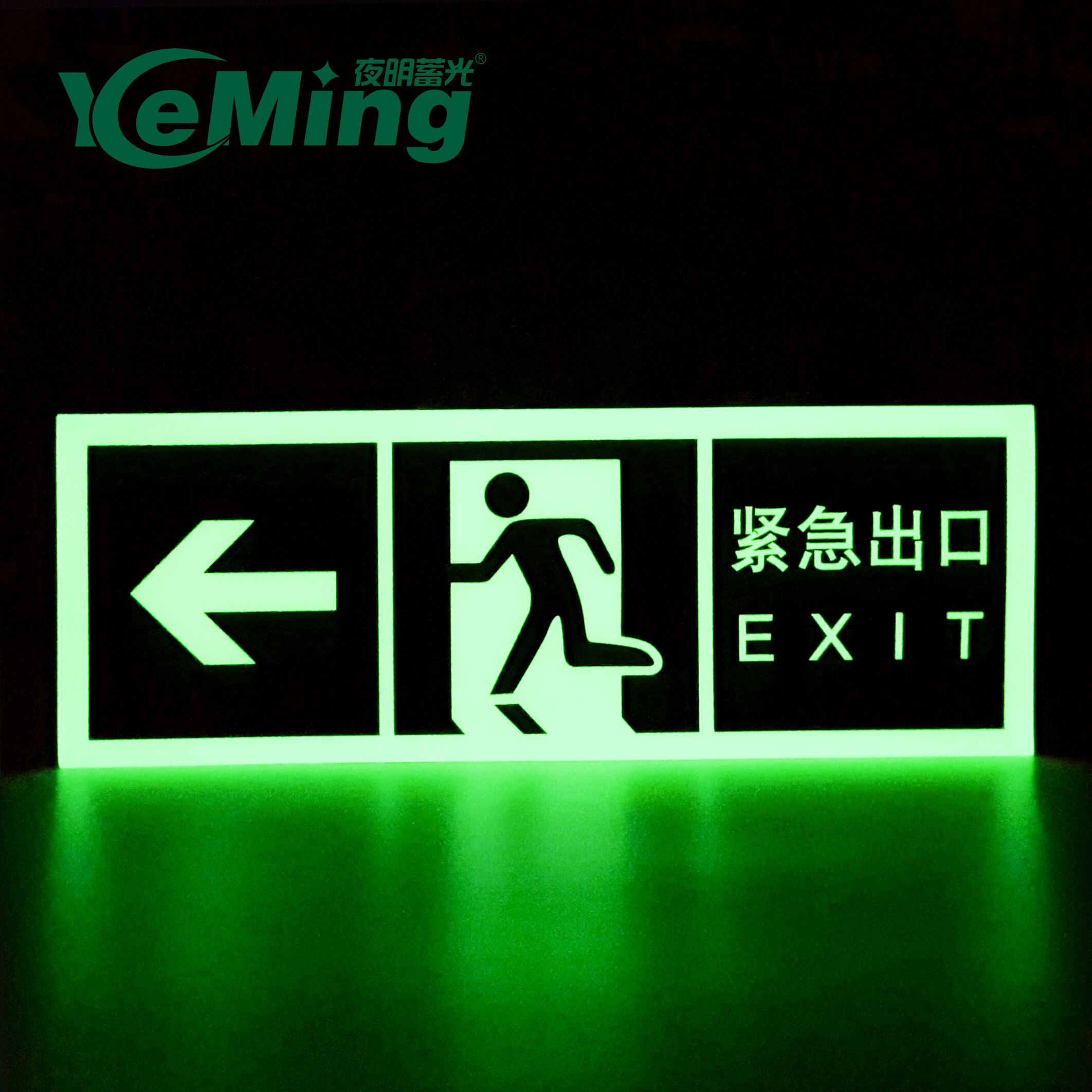
The global shift toward sustainable construction practices has positioned green building certifications as critical benchmarks for environmental responsibility and operational efficiency. Among various building components that influence certification outcomes, photoluminescent exit signs have emerged as strategic contributors to achieving Leadership in Energy and Environmental Design (LEED) certification and other green building standards. These non-electrical egress marking systems offer measurable advantages in energy consumption reduction, material sustainability, and long-term operational cost savings that directly align with LEED credit requirements across multiple categories.
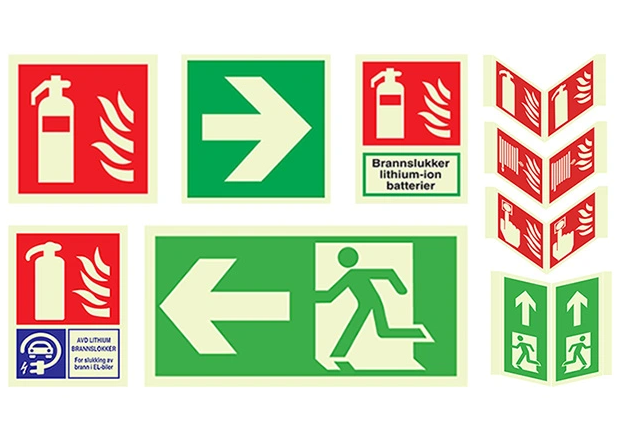
Understanding the precise mechanisms through which photoluminescent exit signs contribute to LEED points requires examining the intersection of life safety compliance, energy performance metrics, and material innovation criteria. Building developers, facility managers, and sustainability consultants increasingly recognize that strategic specification of photoluminescent egress systems represents more than simple code compliance; it constitutes a deliberate investment in certification achievement that delivers compounding benefits throughout the building lifecycle. This comprehensive analysis explores the specific LEED credit categories influenced by photoluminescent exit signs, quantifies their contribution potential, and provides practical implementation guidance for maximizing certification value.
Energy Performance Credits Through Zero-Electricity Operation
Eliminating Baseline Energy Consumption for Exit Illumination
The most direct contribution of photoluminescent exit signs to LEED certification occurs within the Energy and Atmosphere category, specifically targeting credits for optimized energy performance. Traditional electrically illuminated exit signs typically consume between 5 and 40 watts per fixture depending on technology type, creating continuous baseline loads that accumulate to substantial annual energy expenditures in commercial buildings. Photoluminescent exit signs eliminate this consumption entirely by utilizing stored ambient light energy for visibility during power failures and low-light conditions, thereby reducing a building's total connected lighting load without compromising life safety compliance.
LEED certification frameworks award points based on percentage improvements above baseline energy performance established by standards such as ASHRAE 90.1 or local energy codes. By removing exit sign electrical loads from the building energy model, photoluminescent systems contribute measurable kilowatt-hour reductions that enhance overall energy performance percentages. In a typical commercial office building with 50 exit locations, replacing standard electrical signs with photoluminescent alternatives can eliminate approximately 2,000 to 10,000 kilowatt-hours annually, depending on prior technology type. This reduction directly improves the building's energy cost index and percentage improvement calculations used in LEED Energy and Atmosphere Credit 1, which can award up to 18 points based on demonstrated performance gains.
Supporting Whole-Building Energy Modeling Accuracy
The integration of photoluminescent exit signs simplifies energy modeling processes by removing variable load calculations associated with electrical exit fixtures from baseline and proposed building models. Energy consultants preparing LEED documentation benefit from the straightforward accounting methodology that photoluminescent systems provide, as these fixtures require no input power calculations, dimming assumptions, or control strategy modeling. This simplification reduces modeling complexity while ensuring conservative, defensible energy performance claims that withstand third-party review processes required for LEED certification validation.
Furthermore, photoluminescent exit signs support energy modeling accuracy by eliminating uncertainty regarding actual operational patterns of electrical exit signs. Conventional exit signs may experience partial failures, improper dimming, or control system malfunctions that cause actual energy consumption to exceed modeled predictions. Photoluminescent systems remove these variables entirely, ensuring that projected energy savings materialize in real-world operation. This reliability proves particularly valuable for projects pursuing LEED certification levels that require narrow margins of energy performance improvement, where every fractional percentage point of demonstrated savings influences final certification outcomes.
Reducing Auxiliary Electrical Infrastructure Requirements
Beyond direct fixture-level energy elimination, photoluminescent exit signs contribute to broader electrical system efficiency by reducing requirements for emergency power circuits, battery backup systems, and associated infrastructure. Traditional exit signs require dedicated emergency power wiring, central battery systems, or individual fixture batteries to maintain illumination during power outages. These auxiliary systems introduce additional energy losses through transformer inefficiency, battery charging cycles, and standby power consumption that compound the total energy impact of electrical exit signage beyond simple fixture wattage.
By specifying photoluminescent exit signs, building designers can simplify emergency power distribution architectures, potentially downsizing emergency generator capacity and reducing the quantity of emergency circuits throughout the building. These secondary benefits create measurable energy savings that extend beyond exit sign operation itself, contributing to improved overall building energy performance metrics. For LEED projects targeting aggressive energy performance thresholds, these compounding efficiency gains provide valuable incremental improvements that help achieve higher point totals within the Energy and Atmosphere category.
Material Resource Optimization and Sustainable Manufacturing
Contributing to Materials and Resources Credit Categories
Photoluminescent exit signs offer significant advantages within LEED Materials and Resources credits through their composition, durability characteristics, and reduced material lifecycle impacts. Many photoluminescent exit signs utilize aluminum substrates, acrylic face panels, and strontium aluminate photoluminescent pigments that can be manufactured with recycled content and designed for end-of-life recyclability. These material characteristics support LEED Materials and Resources Credit 4, which awards points for building products containing verified recycled content percentages, and Credit 5, which recognizes regionally manufactured materials that reduce transportation environmental impacts.
The manufacturing process for photoluminescent exit signs typically generates lower embodied energy and carbon emissions compared to electrical exit signs that incorporate electronic components, LED arrays, circuit boards, and battery systems. Life cycle assessment studies demonstrate that photoluminescent systems require fewer raw material inputs, less complex manufacturing processes, and reduced hazardous material handling compared to electrical alternatives. These advantages translate to lower environmental product declarations and improved material transparency documentation that supports multiple LEED credit pathways within the Materials and Resources category.
Extended Service Life and Reduced Replacement Frequency
High-quality photoluminescent exit signs demonstrate exceptional durability with functional lifespans exceeding 25 years under normal operating conditions, significantly outlasting typical electrical exit sign technologies. This extended service life reduces the frequency of replacement cycles, thereby minimizing cumulative material consumption, manufacturing impacts, and installation waste generation over the building's operational period. LEED certification frameworks increasingly recognize durability as a sustainability attribute through credits addressing building life cycle impacts and waste reduction strategies.
The superior longevity of photoluminescent exit signs also contributes to reduced construction waste during building renovations and tenant improvements. Electrical exit signs often require replacement during major lighting system upgrades or electrical infrastructure modifications, generating electronic waste streams that require specialized disposal procedures. Photoluminescent systems remain functional regardless of electrical system changes, eliminating unnecessary disposal events and supporting LEED Construction and Demolition Waste Management credits that reward waste diversion and material reuse strategies.
Avoiding Hazardous Material Disposal Concerns
Unlike many electrical exit sign technologies that contain batteries, electronic components, or specialized materials requiring hazardous waste handling protocols, photoluminescent exit signs consist of inert materials that simplify end-of-life disposal and recycling processes. The absence of batteries eliminates concerns regarding heavy metal contamination, electrolyte leakage, and specialized recycling requirements that complicate disposal of conventional exit signage. This material safety profile supports LEED credits addressing indoor environmental quality and construction waste management by reducing hazardous material streams associated with building safety systems.
Building operators pursuing LEED certification for existing buildings through the LEED Operations and Maintenance rating system particularly benefit from the simplified maintenance and disposal characteristics of photoluminescent exit signs. These facilities can demonstrate reduced hazardous waste generation, simplified waste sorting procedures, and improved material tracking documentation that contribute to multiple credits within the Materials and Resources and Innovation categories of LEED O+M certification pathways.
Indoor Environmental Quality Enhancement
Eliminating Light Pollution from Continuously Illuminated Exit Signs
Photoluminescent exit signs contribute to improved indoor environmental quality by eliminating the constant light emission associated with electrical exit fixtures, which can create unwanted illumination in darkened spaces such as theaters, conference rooms, and sleeping areas. This characteristic supports LEED Indoor Environmental Quality credits addressing lighting quality and occupant comfort by reducing light pollution within interior environments. Spaces requiring complete darkness for specific functions benefit particularly from photoluminescent systems that remain visible only during emergencies or low-light conditions when their glow becomes apparent.
The absence of electrical components also eliminates low-frequency electromagnetic field emissions associated with transformers, drivers, and power supplies in electrical exit signs. While typically minimal, these emissions represent a measurable environmental factor that photoluminescent systems completely avoid. For projects pursuing enhanced indoor environmental quality credits or targeting wellness certification standards in addition to LEED, the elimination of unnecessary electromagnetic fields provides additional documentation support for comprehensive environmental quality strategies.
Supporting Circadian Lighting Design Strategies
Advanced LEED projects incorporating circadian lighting design to support occupant health and productivity benefit from the passive nature of photoluminescent exit signs, which do not interfere with carefully tuned ambient lighting strategies. Electrical exit signs emit constant-spectrum light that can conflict with dynamic lighting systems designed to shift color temperature throughout the day to support natural circadian rhythms. Photoluminescent exit signs remain invisible under normal lighting conditions and do not introduce conflicting light sources that compromise integrated lighting design strategies.
This compatibility with sophisticated lighting control systems proves particularly valuable for LEED projects pursuing Innovation credits for advanced lighting design or targeting additional wellness-focused certifications such as WELL Building Standard alongside LEED. The ability to implement comprehensive lighting quality strategies without compromise from safety signage demonstrates design integration excellence that reviewers recognize when evaluating projects for Innovation credits addressing exceptional performance beyond standard LEED requirements.
Reducing Maintenance-Related Indoor Air Quality Disruptions
The minimal maintenance requirements of photoluminescent exit signs reduce frequency of service interventions that can disrupt indoor environmental quality through ladder access, fixture removal, and material handling activities. Electrical exit signs require periodic lamp replacements, battery changes, or complete fixture replacements that generate dust, introduce new materials into occupied spaces, and temporarily expose building occupants to maintenance activities. Photoluminescent systems eliminate these recurring disruptions, supporting continuous indoor environmental quality maintenance that aligns with LEED Indoor Environmental Quality Management Plan credits.
For healthcare facilities, educational institutions, and other sensitive occupancy types pursuing LEED certification, the reduced maintenance intervention frequency of photoluminescent exit signs provides measurable benefits to infection control protocols, learning environment stability, and operational continuity. These advantages can be documented in LEED Innovation credit applications that demonstrate exceptional attention to indoor environmental quality protection beyond standard certification requirements.
Operational Cost Savings and Economic Sustainability
Eliminating Recurring Energy Expenses for Exit Illumination
The economic sustainability advantages of photoluminescent exit signs directly support LEED's holistic approach to building performance that encompasses both environmental and financial outcomes. By eliminating continuous electrical consumption for exit sign operation, photoluminescent systems generate predictable annual cost savings that accumulate throughout the building lifecycle. For a typical commercial building with 50 exit locations, annual energy cost savings range from $200 to $1,000 depending on local utility rates and the electrical exit sign technology being replaced, with higher savings realized when replacing older incandescent or fluorescent technologies.
These operational savings enhance the financial viability of green building investments by improving overall return on investment calculations that building owners use to evaluate sustainability features. LEED projects that can demonstrate superior financial performance alongside environmental benefits strengthen the business case for green building certification, supporting broader market transformation toward sustainable construction practices. The straightforward calculation methodology for photoluminescent exit sign energy savings provides clear, defensible financial documentation that supports investment decision processes for building development and ownership stakeholders.
Reducing Maintenance Labor and Material Replacement Costs
Beyond energy savings, photoluminescent exit signs deliver substantial reductions in maintenance labor costs by eliminating routine lamp replacements, battery changes, and electrical component repairs required for conventional exit signage. Building maintenance departments typically allocate significant annual budgets to exit sign servicing, including labor hours for accessing fixtures, purchasing replacement components, testing backup power systems, and documenting compliance with safety codes. Photoluminescent systems require only periodic cleaning and visual inspection, dramatically reducing maintenance labor allocation and associated costs.
The elimination of replacement part inventories for exit signage further reduces operational costs and storage requirements within facilities. Maintenance operations can consolidate inventory management, reduce emergency spare part stockpiles, and simplify procurement processes when photoluminescent systems replace electrical alternatives. These operational efficiency improvements contribute to overall building management cost effectiveness that supports the economic sustainability principles embedded within LEED certification frameworks, demonstrating that environmental performance and financial performance operate synergistically rather than as competing priorities.
Enhancing Long-Term Asset Value and Marketability
Buildings incorporating photoluminescent exit signs as part of comprehensive LEED certification strategies benefit from enhanced asset value and market competitiveness in commercial real estate markets increasingly focused on sustainability credentials. Research consistently demonstrates that LEED-certified buildings command rental rate premiums, achieve higher occupancy rates, and attract quality tenants who prioritize environmental responsibility in facility selection decisions. The contribution of photoluminescent systems to achieving and maintaining LEED certification supports these market advantages by ensuring reliable, cost-effective performance of sustainability features throughout building occupancy.
For building owners pursuing LEED certification as a strategic asset management decision, the documented operational cost savings and environmental performance of photoluminescent exit signs provide concrete evidence of sustainability commitment that resonates with environmentally conscious tenants, investors, and stakeholders. This alignment between environmental stewardship and financial prudence strengthens the value proposition of LEED certification by demonstrating that sustainable building practices deliver measurable benefits across environmental, economic, and social performance dimensions.
Implementation Strategies for Maximum LEED Credit Value
Coordinating Specification with Energy Modeling Processes
To maximize the contribution of photoluminescent exit signs to LEED Energy and Atmosphere credits, project teams should coordinate early specification decisions with energy modeling consultants responsible for developing whole-building energy performance documentation. This coordination ensures that energy savings from photoluminescent systems are accurately captured in baseline and proposed building comparisons, properly documented in modeling assumptions, and clearly communicated in LEED submission narratives. Energy modelers require specific information regarding fixture quantities, replaced technology types, and baseline wattage assumptions to calculate precise energy savings attributable to photoluminescent exit sign specification.
Project teams should also document the decision-making process that led to photoluminescent exit sign selection, including comparative analysis of alternative technologies, life cycle cost evaluation, and sustainability criteria weighting. This documentation supports LEED Innovation credit applications that may recognize exceptional integration of life safety and sustainability objectives, particularly for projects demonstrating comprehensive egress system optimization beyond minimum code compliance requirements.
Leveraging Material Transparency Documentation
Specifying photoluminescent exit signs from manufacturers who provide comprehensive material transparency documentation, including Environmental Product Declarations, Health Product Declarations, and recycled content certifications, maximizes potential contributions to LEED Materials and Resources credits. Project teams should request manufacturer-specific documentation during product selection processes and verify that submitted materials meet LEED credit requirements for third-party verification, appropriate product category rules, and geographical relevance to the project location.
The relatively simple material composition of photoluminescent exit signs compared to complex electrical alternatives often enables manufacturers to provide more complete transparency documentation with fewer proprietary material disclosure limitations. This transparency advantage can prove particularly valuable for projects pursuing multiple material-related LEED credits where documentation availability becomes a limiting factor in credit achievement. Specification language should explicitly require submission of all available material transparency documentation to support comprehensive LEED credit strategy implementation.
Integrating with Comprehensive Egress System Design
The most effective LEED contribution from photoluminescent exit signs occurs when these systems are integrated within comprehensive egress marking strategies that may also include photoluminescent pathway marking, stair nosing delineation, and obstacle identification systems. This integrated approach amplifies energy savings, material sustainability benefits, and operational cost reductions while potentially qualifying for LEED Innovation credits that recognize exceptional life safety system design. Comprehensive photoluminescent egress systems demonstrate design excellence that extends beyond isolated component specification to holistic building system integration.
Project teams should coordinate photoluminescent exit sign specification with lighting designers, fire protection engineers, and accessibility consultants to ensure seamless integration with overall building egress strategies. This coordination helps identify opportunities for standardization, material consolidation, and design optimization that enhance both LEED credit potential and functional performance outcomes. Documentation of this integrated design process provides compelling narrative content for LEED submission materials that communicate commitment to comprehensive sustainability strategies rather than isolated green building features.
FAQ
How many LEED points can photoluminescent exit signs potentially contribute to a project?
The direct point contribution of photoluminescent exit signs varies depending on project type, size, and overall sustainability strategy, but these systems typically support earning between one and three LEED points across multiple credit categories. The primary contribution occurs within Energy and Atmosphere credits where eliminated electrical loads improve overall building energy performance percentages. Secondary contributions may occur through Materials and Resources credits addressing recycled content, material transparency, and construction waste reduction. For projects pursuing Innovation credits, exceptional integration of photoluminescent egress systems within comprehensive sustainability strategies may earn additional recognition. The exact point value depends on the building's total energy consumption profile, where larger buildings with proportionally smaller exit sign loads see smaller percentage improvements compared to smaller buildings where exit sign energy represents a more significant fraction of total consumption.
Do photoluminescent exit signs meet the code compliance requirements necessary for LEED certification?
High-quality photoluminescent exit signs that comply with recognized standards including UL 924, NFPA 101, International Building Code, and International Fire Code fully satisfy life safety code requirements for exit marking in most jurisdictions, making them legally equivalent alternatives to electrical exit signs for LEED certification purposes. LEED certification does not impose life safety requirements beyond applicable building codes, so properly specified photoluminescent systems that meet local code adoption fulfill all necessary compliance prerequisites. Project teams should verify that selected photoluminescent exit signs carry appropriate certifications and listings from recognized testing laboratories, specify products with adequate luminance performance for the application environment, and ensure installation follows manufacturer instructions and local authority requirements. Some jurisdictions maintain specific approval requirements or preferences for exit sign technologies, so early coordination with local building officials ensures that photoluminescent specifications receive necessary approvals without certification timeline delays.
Can photoluminescent exit signs be used in all building types pursuing LEED certification?
Photoluminescent exit signs function effectively across most commercial, institutional, and industrial building types pursuing LEED certification, including offices, schools, healthcare facilities, manufacturing plants, warehouses, retail centers, and hospitality properties. However, application suitability depends on ambient lighting conditions necessary to charge photoluminescent materials, with spaces maintaining adequate general illumination during occupied hours providing optimal performance. Areas with extremely low ambient light levels, such as storage rooms, mechanical spaces, or locations with extended dark periods, may require supplementary charging light sources or alternative exit sign technologies. Projects should conduct application-specific evaluations during design development to confirm that photoluminescent exit signs receive sufficient light exposure for reliable emergency visibility performance. Most occupied building spaces pursuing LEED certification maintain lighting levels well above the minimum thresholds required for photoluminescent charging, making these systems broadly applicable across diverse building types and certification pathways including LEED BD+C, LEED ID+C, and LEED O+M rating systems.
What documentation is required to support LEED credit claims for photoluminescent exit signs?
Supporting LEED credit claims for photoluminescent exit signs requires compiling project-specific documentation that demonstrates energy performance impacts, material characteristics, and compliance verification depending on targeted credit categories. For Energy and Atmosphere credits, documentation includes energy modeling reports showing baseline and proposed exit sign electrical loads, fixture schedules identifying quantities and locations, manufacturer specification sheets confirming zero-power operation, and calculation summaries quantifying annual energy savings. Materials and Resources credit documentation may include manufacturer Environmental Product Declarations, recycled content certifications, Health Product Declarations, and supply chain transparency documents verifying material sourcing and manufacturing locations. Code compliance documentation includes product testing certifications, installation verification photographs, and authority approval letters confirming acceptance of photoluminescent technology for the specific project jurisdiction. Comprehensive project documentation assembles these materials within organized LEED credit templates that clearly communicate how photoluminescent exit signs contribute to specific credit achievement, supported by calculations, specifications, and third-party verifications appropriate to each credit category pursued.
Table of Contents
- Energy Performance Credits Through Zero-Electricity Operation
- Material Resource Optimization and Sustainable Manufacturing
- Indoor Environmental Quality Enhancement
- Operational Cost Savings and Economic Sustainability
- Implementation Strategies for Maximum LEED Credit Value
-
FAQ
- How many LEED points can photoluminescent exit signs potentially contribute to a project?
- Do photoluminescent exit signs meet the code compliance requirements necessary for LEED certification?
- Can photoluminescent exit signs be used in all building types pursuing LEED certification?
- What documentation is required to support LEED credit claims for photoluminescent exit signs?