EN
EN




Retrofitting your building with photoluminescent exit signs represents a critical safety upgrade that enhances emergency egress systems while reducing long-term operational costs. As building codes evolve and property managers seek more sustainable solutions, these self-luminous wayfinding devices have become essential components of modern life safety systems. Whether you manage commercial office buildings, industrial facilities, residential complexes, or public institutions, understanding the retrofit process ensures compliance, maximizes occupant protection, and delivers measurable return on investment through eliminated electricity consumption and minimal maintenance requirements.
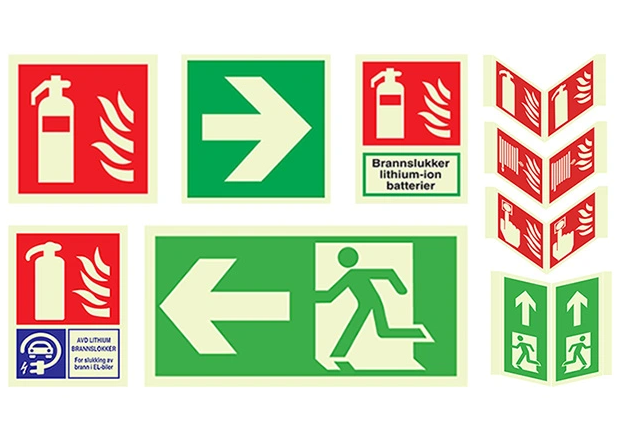
This comprehensive guide walks you through every phase of the retrofit implementation process, from initial building assessment and regulatory research to physical installation and post-deployment verification. Photoluminescent exit signs absorb ambient light during normal conditions and emit a bright, sustained glow during power failures or low-visibility emergencies, providing reliable guidance without batteries or electrical connections. The retrofit approach differs significantly from new construction installations because it requires careful evaluation of existing infrastructure, compatibility with current egress marking systems, and strategic planning to minimize disruption to daily operations while achieving full code compliance and optimal visibility performance.
Conducting a Comprehensive Building Assessment Before Retrofit Implementation
Evaluating Existing Exit Sign Infrastructure and Performance Gaps
Begin your retrofit project by systematically documenting all current exit signs throughout your facility, noting their type, age, condition, and functional status. Walk every egress route during both normal lighting and simulated power-loss conditions to identify visibility deficiencies, non-compliant placements, and areas where traditional electrically powered signs create maintenance burdens. Record specific details about each existing sign including mounting method, substrate material, electrical connections, and any integration with emergency lighting systems. This baseline assessment reveals not only where photoluminescent exit signs will replace failing equipment but also locations where additional egress marking is required to meet current code standards that may have changed since original construction.
Pay particular attention to high-traffic corridors, stairwells, large assembly spaces, and areas with complex circulation patterns where occupants unfamiliar with the building layout rely heavily on clear directional guidance. Document ambient light levels throughout the facility because photoluminescent materials require minimum exposure to charging light sources to maintain specified glow duration and brightness. Identify any areas with insufficient ambient illumination where supplemental charging lights may need installation as part of the retrofit strategy. This thorough evaluation establishes the technical requirements, quantity estimates, and prioritization framework that guides all subsequent retrofit planning and ensures your investment in photoluminescent exit signs addresses genuine safety needs rather than simply replacing existing equipment on a one-for-one basis.
Analyzing Building Codes and Compliance Requirements for Your Jurisdiction
Research the specific building codes, fire safety regulations, and accessibility standards applicable to your facility type and jurisdiction before finalizing retrofit specifications. While many regions have adopted standards permitting or requiring photoluminescent exit signs as primary egress marking, local amendments, occupancy classifications, and building height restrictions may impose additional requirements. Contact your local building department and fire marshal to clarify whether photoluminescent exit signs are acceptable as standalone solutions or if they must supplement electrically powered signs in your specific application. Understanding these regulatory parameters prevents costly redesign after procurement and ensures your retrofit project passes inspection without compliance delays.
Review relevant consensus standards such as NFPA 101 Life Safety Code, International Building Code provisions, and ASTM E2072 specifications that govern photoluminescent safety markings. These documents establish minimum luminance levels, glow duration requirements, viewing distance calculations, and installation height parameters that directly impact product selection and placement strategy. For buildings with existing tenants or ongoing operations, also investigate whether your retrofit qualifies for expedited permit processes under safety upgrade provisions that recognize life safety improvements. Some jurisdictions offer streamlined approval for retrofits that enhance occupant protection beyond minimum code requirements, potentially reducing project timelines and administrative complexity while demonstrating your commitment to superior safety standards through implementation of advanced photoluminescent exit signs.
Calculating Quantity Requirements and Determining Optimal Sign Placement
Develop a detailed sign placement plan using your building floor plans, exit route diagrams, and code-mandated spacing requirements to determine exact quantities and locations for photoluminescent exit signs. Calculate the number of directional signs needed in corridors based on maximum viewing distances typically specified at fifty to one hundred feet depending on sign size and local code provisions. Ensure every change in direction, every exit door, and every point where occupants must make egress decisions receives clear, unambiguous marking with appropriately sized photoluminescent exit signs that remain visible through smoke and darkness conditions.
Map out the charging light coverage across all sign locations to verify that each photoluminescent exit sign will receive adequate illumination during normal occupancy hours. Most specifications require minimum ambient light levels maintained for at least sixty minutes daily to ensure proper charging, though many facilities easily exceed this through normal operational lighting. For locations with limited natural or artificial light exposure such as storage areas or mechanical rooms with occupancy-sensor controlled lighting, plan installation of dedicated charging luminaires or alternative placement strategies. This systematic quantity calculation and placement optimization ensures complete egress system coverage while avoiding over-purchasing, identifies any infrastructure modifications needed before installation, and creates the procurement specifications and installation drawings that guide efficient implementation of your photoluminescent exit signs retrofit.
Selecting and Procuring the Right Photoluminescent Exit Signs for Your Application
Understanding Performance Specifications and Material Quality Standards
Choose photoluminescent exit signs that meet or exceed recognized performance standards to ensure long-term reliability and regulatory compliance throughout the service life of your retrofit installation. Verify that products carry third-party testing certifications demonstrating compliance with ASTM E2072 for photoluminescent markings or equivalent international standards such as ISO 16069. These certifications validate that the photoluminescent materials achieve specified minimum luminance levels measured in millicandelas per square meter, maintain adequate brightness for required duration periods typically ranging from ninety minutes to several hours, and resist degradation from normal environmental exposure including ultraviolet light, humidity, and temperature fluctuations common in commercial building environments.
Evaluate the substrate materials, protective coatings, and construction quality that determine durability and maintenance requirements over the expected fifteen to twenty-five year service life of quality photoluminescent exit signs. Rigid aluminum or high-impact polymer substrates provide superior dimensional stability and mounting security compared to flexible vinyl products that may curl, delaminate, or require more frequent replacement. Look for products with scratch-resistant protective layers that preserve photoluminescent performance despite routine cleaning and incidental contact in high-traffic areas. Premium photoluminescent exit signs incorporate rare-earth activated alkaline aluminate compounds that deliver brighter initial luminance and slower decay rates compared to older zinc sulfide formulations, translating to better visibility during extended emergency egress scenarios and reduced need for premature replacement in your retrofit application.
Matching Sign Formats and Mounting Options to Your Building Infrastructure
Select photoluminescent exit signs in formats and mounting configurations compatible with your existing infrastructure to minimize installation complexity and preserve architectural aesthetics during retrofit implementation. Standard exit signs are available in wall-mount, ceiling-mount, and end-mount configurations, with various sizes designed for different viewing distances and spatial constraints. For locations currently served by surface-mounted electrical exit signs, choose photoluminescent exit signs with similar footprints and mounting patterns that can utilize existing fastener locations, reducing wall patching and repainting requirements. In areas with recessed electrical signs, plan for surface-mount photoluminescent alternatives along with minor finish work to close electrical boxes and restore wall surfaces.
Consider directional indicators and supplementary markings as part of your comprehensive retrofit strategy beyond simple exit door identification. Photoluminescent arrow signs, floor proximity markers, and obstacle identification markings work together with primary photoluminescent exit signs to create a complete wayfinding system that guides occupants through complex facilities during emergencies. Evaluate whether your facility benefits from bilingual or pictographic exit signs that communicate clearly to diverse populations including international visitors and individuals with limited English proficiency. For buildings with strict aesthetic requirements or historic preservation considerations, investigate custom photoluminescent exit signs that incorporate specific fonts, logos, or design elements while maintaining full code compliance and performance standards, ensuring your safety retrofit enhances rather than compromises the visual character of your environment.
Establishing Procurement Timelines and Vendor Qualification Criteria
Develop a realistic procurement schedule that accounts for product lead times, delivery logistics, and inventory staging to support efficient installation workflow without costly project delays. While standard photoluminescent exit signs are often available with shorter lead times than custom electrical signs, quantities required for large retrofit projects may require manufacturing time, especially when specifying premium materials or custom configurations. Contact potential suppliers early in the planning process to understand production capacity, confirm product availability, and negotiate favorable pricing for volume purchases that reduce per-unit costs across your entire retrofit implementation.
Qualify vendors based on product quality, technical support capabilities, warranty provisions, and documented successful delivery on similar retrofit projects rather than selecting solely on lowest initial price. Request product samples for evaluation under your actual building conditions, testing charge time requirements under your ambient lighting, and verifying luminance performance in darkened spaces that simulate emergency conditions. Establish clear delivery schedules coordinated with your installation timeline, specifying that photoluminescent exit signs arrive staged by building area or floor to facilitate organized deployment and minimize on-site storage requirements. Confirm warranty coverage that protects against premature luminance degradation, manufacturing defects, and substrate failures for periods typically spanning ten years or more, ensuring your retrofit investment delivers the expected long-term value and performance reliability throughout the service life of your photoluminescent exit signs installation.
Preparing Your Building Infrastructure for Photoluminescent Exit Sign Installation
Coordinating with Electrical Contractors to Safely Decommission Existing Systems
Plan the electrical disconnection and removal of existing powered exit signs as a critical prerequisite that requires licensed electrical contractor involvement to ensure safety and code compliance. Schedule electrical work during periods of minimal building occupancy such as evenings or weekends to reduce disruption, and implement temporary egress lighting provisions that maintain safe evacuation capability throughout the transition period. Your electrical contractor should systematically disconnect power to existing exit signs, remove fixtures and associated wiring, and properly cap or remove electrical boxes according to local electrical codes. Document which circuits served exit signs to facilitate future electrical system modifications and verify that electrical panels are properly updated to reflect decommissioned circuits.
Coordinate removal timing with photoluminescent exit signs installation to minimize the duration when any location lacks compliant egress marking, ideally executing the transition in a room-by-room or floor-by-floor sequence rather than removing all existing signs before new installation begins. In some retrofit scenarios, existing electrical infrastructure may remain in place to power emergency lighting or other systems, requiring only the exit sign fixtures themselves to be removed while leaving electrical boxes and circuits functional. This assessment determines whether wall repair and repainting becomes necessary and impacts both schedule and budget for the retrofit project. The goal is seamless transition that maintains continuous code compliance while efficiently replacing conventional systems with more reliable and cost-effective photoluminescent exit signs throughout your facility.
Verifying and Enhancing Ambient Lighting for Optimal Photoluminescent Charging
Conduct light level measurements at all planned photoluminescent exit signs locations to confirm adequate ambient illumination for proper material charging, addressing any deficiencies before installation to ensure performance reliability. Use a calibrated light meter to measure illuminance in foot-candles or lux at the sign face location during normal building occupancy hours. Most photoluminescent exit signs require minimum illumination levels ranging from five to fifty lux depending on material formulation and specified glow duration, with higher ambient light levels producing brighter and longer-lasting luminescence during emergency conditions. Compare your measurements against manufacturer specifications to identify locations where existing lighting falls short of charging requirements.
For areas with insufficient ambient light, install supplemental charging luminaires positioned to directly illuminate photoluminescent exit signs without creating glare or disrupting building aesthetics. Small LED fixtures mounted above or beside signs provide targeted charging illumination with minimal energy consumption and long service life. In spaces with occupancy-sensor lighting controls, reprogram systems to maintain minimum illumination at photoluminescent exit signs locations even when the broader area is unoccupied, or install dedicated charging lights on separate circuits that remain continuously energized. This proactive lighting verification and enhancement ensures every photoluminescent exit sign achieves specified performance throughout your facility, eliminating the risk of inadequate glow during emergencies due to insufficient charging, and validates that your retrofit delivers the promised safety benefits and operational reliability expected from premium photoluminescent exit signs technology.
Preparing Mounting Surfaces and Installing Backing Support Systems
Inspect and prepare mounting surfaces to ensure secure, permanent installation of photoluminescent exit signs that withstand building vibrations, door impacts, and routine maintenance activities throughout their service life. Clean mounting areas to remove dust, oil, grease, or other contaminants that could compromise adhesive bonds or mechanical fastener integrity. For drywall or hollow partition installations, locate studs or install backing plates that provide solid attachment points preventing signs from loosening or falling over time. Metal studs, concrete, or masonry surfaces generally provide excellent mounting substrates when appropriate fasteners are selected for the specific material and load requirements.
Consider installation methods ranging from mechanical fasteners such as screws and anchors to high-performance adhesives designed specifically for permanent sign mounting depending on substrate type and aesthetic preferences. Mechanical fastening provides the strongest attachment and easiest future removal if sign replacement becomes necessary, while quality adhesive mounting eliminates visible fasteners and simplifies installation in finished areas where drilling might damage decorative surfaces. For retrofit applications, mounting locations may include existing fastener holes from removed electrical signs, requiring hole filling or larger photoluminescent exit signs that conceal previous damage. Prepare all necessary mounting hardware, drill bits, anchors, and installation tools organized by location to support efficient deployment, and verify that mounting methods comply with manufacturer installation instructions that govern warranty coverage for your photoluminescent exit signs investment.
Executing Professional Installation of Photoluminescent Exit Signs Throughout Your Facility
Implementing Systematic Installation Sequencing and Quality Control Procedures
Develop a detailed installation sequence that progresses logically through your building by floor, wing, or occupancy area to maintain organization and ensure complete coverage with photoluminescent exit signs. Begin installation in areas with lowest occupancy or easiest access to refine techniques and identify any unforeseen challenges before moving to high-traffic or complex spaces. Assign installation teams to specific zones with clear accountability for completing all signs within designated areas according to your placement drawings and specifications. This structured approach prevents missed locations, supports efficient material staging, and enables parallel installation across multiple building areas when project timelines require accelerated completion.
Implement quality control checkpoints throughout installation to verify proper positioning, secure mounting, correct orientation, and acceptable appearance before crews move to subsequent areas. Confirm that directional photoluminescent exit signs point toward actual exit routes, that viewing angles provide unobstructed sightlines from expected occupant positions, and that mounting heights comply with accessibility requirements typically specifying minimum and maximum heights above finished floor. Check that all signs are level, securely fastened, and free from installation damage such as scratches or dents that could affect performance or aesthetics. This systematic quality verification during installation prevents the need for costly rework after project completion and ensures that your photoluminescent exit signs retrofit achieves the intended safety improvements and professional appearance that reflects positively on your facility management standards.
Documenting Installation Locations and Creating Maintenance Reference Materials
Create comprehensive documentation recording the exact location, type, and installation date of every photoluminescent exit sign deployed throughout your retrofit project. Photograph each installed sign with sufficient surrounding context to enable future identification and reference during maintenance inspections or system modifications. Update building floor plans and life safety drawings to reflect the new egress marking system, ensuring that this critical information remains available to facility managers, maintenance personnel, emergency responders, and future retrofit projects. This documentation proves invaluable when conducting regulatory inspections, training new staff, planning renovations that might affect egress routes, or demonstrating compliance history during property transactions or insurance reviews.
Compile installation records including product specifications, manufacturer certifications, warranty information, and installation contractor details into organized reference materials accessible to facility management teams. Include manufacturer maintenance recommendations, cleaning procedures, and inspection protocols that preserve photoluminescent performance throughout the service life of your signs. Record ambient light measurements taken during installation to establish baseline conditions for comparison during future performance verification activities. This thorough documentation transforms your retrofit project from a one-time installation into a managed asset with defined maintenance requirements, supports budgeting for eventual sign replacement at end of service life, and provides evidence of due diligence in maintaining safe egress systems using properly installed and maintained photoluminescent exit signs that meet all applicable regulatory requirements.
Conducting Post-Installation Performance Testing and Verification
Perform comprehensive performance verification after completing installation to confirm that all photoluminescent exit signs function as specified under simulated emergency conditions. After ensuring signs have received adequate charging illumination for the manufacturer-specified period, darken test areas or conduct after-hours verification when normal building lighting is secured. Visually confirm that every installed photoluminescent exit sign glows with adequate brightness to be clearly visible from required viewing distances, maintaining legibility and directional clarity that enables safe egress navigation. Document any signs showing inadequate luminance, investigating whether insufficient charging light, defective materials, or improper installation accounts for performance deficiencies requiring correction.
Measure actual luminance levels using photometric instruments at representative sign locations to establish baseline performance data for comparison during future inspections and to verify compliance with specified minimum values. Test a statistical sample of installations rather than every sign unless project size or regulatory requirements mandate comprehensive testing. Walk complete egress routes during darkened conditions to experience the wayfinding system from an occupant perspective, confirming that spacing, brightness, and directional information provide intuitive guidance without confusion or ambiguity. This post-installation verification identifies any deficiencies requiring prompt correction, validates successful retrofit implementation, provides documented proof of system performance for regulatory compliance and liability protection, and confirms that your investment in photoluminescent exit signs delivers the enhanced safety and reliable emergency egress guidance that justified the retrofit project.
Maintaining Long-Term Performance and Compliance of Your Photoluminescent Exit Signs System
Establishing Routine Inspection and Cleaning Protocols
Develop and implement regular inspection schedules that verify ongoing photoluminescent exit signs performance, charging light adequacy, physical condition, and continued code compliance throughout building operations. Monthly visual inspections should confirm that signs remain securely mounted, free from damage or vandalism, and unobstructed by furniture, equipment, or decorations that could block visibility. Semi-annual inspections should include functional testing under darkened conditions to verify adequate luminance, checking for any degradation in glow brightness or duration that might indicate charging light deficiencies, material aging, or environmental factors affecting performance. Document all inspection findings, corrective actions taken, and any signs requiring replacement to maintain comprehensive maintenance records demonstrating regulatory compliance and proper life safety system stewardship.
Implement appropriate cleaning procedures that remove accumulated dust, dirt, and contaminants from photoluminescent exit signs surfaces without damaging protective coatings or photoluminescent materials. Use soft cloths and mild detergent solutions rather than abrasive cleaners or solvents that could scratch surfaces or degrade performance. Regular cleaning maintains optimal light absorption during charging periods and ensures maximum luminance during emergency conditions, extending effective service life and preserving the visibility that makes photoluminescent exit signs such valuable safety assets. Train maintenance staff on proper cleaning techniques specific to photoluminescent materials, distinguishing these requirements from procedures appropriate for painted signs or electrical fixtures, and incorporate photoluminescent exit signs maintenance into broader facility cleaning and inspection programs that ensure consistent attention without creating separate, easily overlooked tasks.
Monitoring Ambient Lighting Conditions and Addressing Charging Deficiencies
Continuously monitor ambient lighting conditions throughout your facility to ensure photoluminescent exit signs receive adequate charging illumination as building uses evolve, lighting systems are modified, or operational patterns change. Renovations, space reconfigurations, and lighting upgrades can inadvertently reduce illumination at sign locations, particularly when energy conservation initiatives reduce overall light levels or introduce occupancy sensors that leave areas dark for extended periods. Periodically measure light levels at photoluminescent exit signs locations using the same methodology employed during initial installation, comparing current measurements against baseline values to identify any deterioration requiring corrective action before emergency performance becomes compromised.
Address identified charging deficiencies promptly by adjusting existing lighting, installing supplemental charging luminaires, or relocating photoluminescent exit signs to better-illuminated locations if spatial constraints permit. When implementing LED lighting retrofits or other energy-efficient lighting upgrades, specifically evaluate impacts on photoluminescent exit signs charging and adjust illumination strategies to maintain adequate light levels at sign locations. This proactive monitoring and adjustment preserves the performance reliability that makes photoluminescent exit signs superior alternatives to battery-powered emergency signs while ensuring that energy conservation initiatives do not inadvertently compromise life safety systems. Consistent attention to charging conditions maximizes the return on your retrofit investment by ensuring photoluminescent exit signs deliver specified emergency visibility throughout their rated service life without premature replacement due to preventable performance degradation.
Planning for Strategic Sign Replacement and System Upgrades
Anticipate eventual photoluminescent exit signs replacement as materials gradually lose luminance capacity through normal aging despite proper maintenance and adequate charging. Quality photoluminescent materials typically maintain acceptable performance for fifteen to twenty-five years depending on environmental conditions, light exposure patterns, and product quality. Track installation dates and performance trends through your inspection program to identify signs approaching end of service life before emergency visibility becomes inadequate. Plan replacement budgets that spread costs across multiple years rather than facing unexpected large expenditures when entire systems require simultaneous replacement, and consider proactive upgrades that incorporate improved photoluminescent formulations, enhanced substrate materials, or updated design standards as technology advances.
Leverage replacement cycles to reassess egress marking adequacy as building uses change, occupancy patterns evolve, or codes are updated with more stringent requirements. What met minimum standards during initial retrofit may benefit from enhancement through additional directional signs, floor-level marking, or obstacle identification that further improves emergency egress capability. Maintain relationships with photoluminescent exit signs suppliers to stay informed about product innovations, performance improvements, and changing regulatory landscapes that might benefit your facility. This strategic, lifecycle-oriented approach to photoluminescent exit signs management ensures continuous compliance, optimal safety performance, and cost-effective operations that validate the wisdom of your initial retrofit decision while positioning your facility to benefit from ongoing advances in photoluminescent safety marking technology.
FAQ
How long do photoluminescent exit signs typically last before requiring replacement?
Quality photoluminescent exit signs manufactured with alkaline aluminate compounds typically maintain acceptable performance for fifteen to twenty-five years when properly installed with adequate charging light and routine maintenance. The photoluminescent materials gradually lose luminance capacity through normal aging and light exposure, though degradation occurs slowly over many years rather than sudden failure. Premium products with protective coatings and durable substrates often exceed baseline service life expectations, while signs exposed to harsh environmental conditions such as direct weather exposure or extreme temperatures may require earlier replacement. Regular performance testing during routine inspections identifies signs approaching end of service life, enabling planned replacement before emergency visibility becomes compromised and ensuring continuous code compliance throughout the operational life of your egress marking system.
Can photoluminescent exit signs completely replace electrically powered exit signs in all building types?
Photoluminescent exit signs can serve as primary egress marking in most commercial, industrial, and residential building types when properly specified and installed according to applicable codes, though specific regulatory requirements vary by jurisdiction and occupancy classification. Many modern building codes explicitly recognize photoluminescent markings as acceptable alternatives to electrical signs, particularly in stairwells and along egress paths where reliable emergency visibility is critical. However, some jurisdictions maintain requirements for electrical signs in specific applications such as above final exit doors, in very large assembly spaces, or in buildings exceeding certain heights. Research local code provisions and consult with building officials early in retrofit planning to confirm that photoluminescent exit signs meet all requirements for your specific building type and location, ensuring your retrofit achieves full compliance while delivering the maintenance and energy savings benefits these advanced safety products provide.
What ambient light levels are necessary to properly charge photoluminescent exit signs?
Most photoluminescent exit signs require minimum ambient illumination levels ranging from five to fifty lux measured at the sign face, maintained for at least sixty minutes during each twenty-four hour period to achieve specified glow duration and brightness performance. Specific charging requirements vary based on photoluminescent material formulation and manufacturer specifications, with higher ambient light levels and longer exposure durations producing brighter and longer-lasting luminescence during emergencies. Normal office lighting typically provides fifty to five hundred lux, easily exceeding minimum charging thresholds, while areas with occupancy-sensor controlled lighting or limited natural light may require dedicated charging luminaires to ensure adequate photoluminescent performance. Measure actual light levels at planned sign locations during typical building operation using a calibrated light meter, compare measurements against manufacturer specifications, and install supplemental charging lights where existing illumination proves insufficient to guarantee that your photoluminescent exit signs deliver reliable emergency visibility throughout your facility.
Do photoluminescent exit signs require any electrical connections or battery maintenance?
Photoluminescent exit signs require no electrical connections, batteries, or external power sources, operating entirely through passive absorption of ambient light energy that they release as visible luminescence during dark conditions. This fundamental design difference eliminates the electrical installation costs, ongoing energy consumption, battery replacement requirements, and maintenance activities associated with conventional illuminated exit signs and battery-powered emergency lighting. The self-luminous nature of photoluminescent technology provides inherent reliability because performance does not depend on electrical system integrity, battery charge status, or lamp functionality that can fail during emergencies when egress guidance is most critical. This passive, maintenance-free operation delivers substantial lifecycle cost savings while improving safety reliability, making photoluminescent exit signs particularly valuable in retrofit applications where eliminating electrical infrastructure reduces project complexity and in facilities where minimizing ongoing maintenance burden justifies investment in advanced egress marking solutions.
Table of Contents
- Conducting a Comprehensive Building Assessment Before Retrofit Implementation
- Selecting and Procuring the Right Photoluminescent Exit Signs for Your Application
- Preparing Your Building Infrastructure for Photoluminescent Exit Sign Installation
- Executing Professional Installation of Photoluminescent Exit Signs Throughout Your Facility
- Maintaining Long-Term Performance and Compliance of Your Photoluminescent Exit Signs System
-
FAQ
- How long do photoluminescent exit signs typically last before requiring replacement?
- Can photoluminescent exit signs completely replace electrically powered exit signs in all building types?
- What ambient light levels are necessary to properly charge photoluminescent exit signs?
- Do photoluminescent exit signs require any electrical connections or battery maintenance?