EN



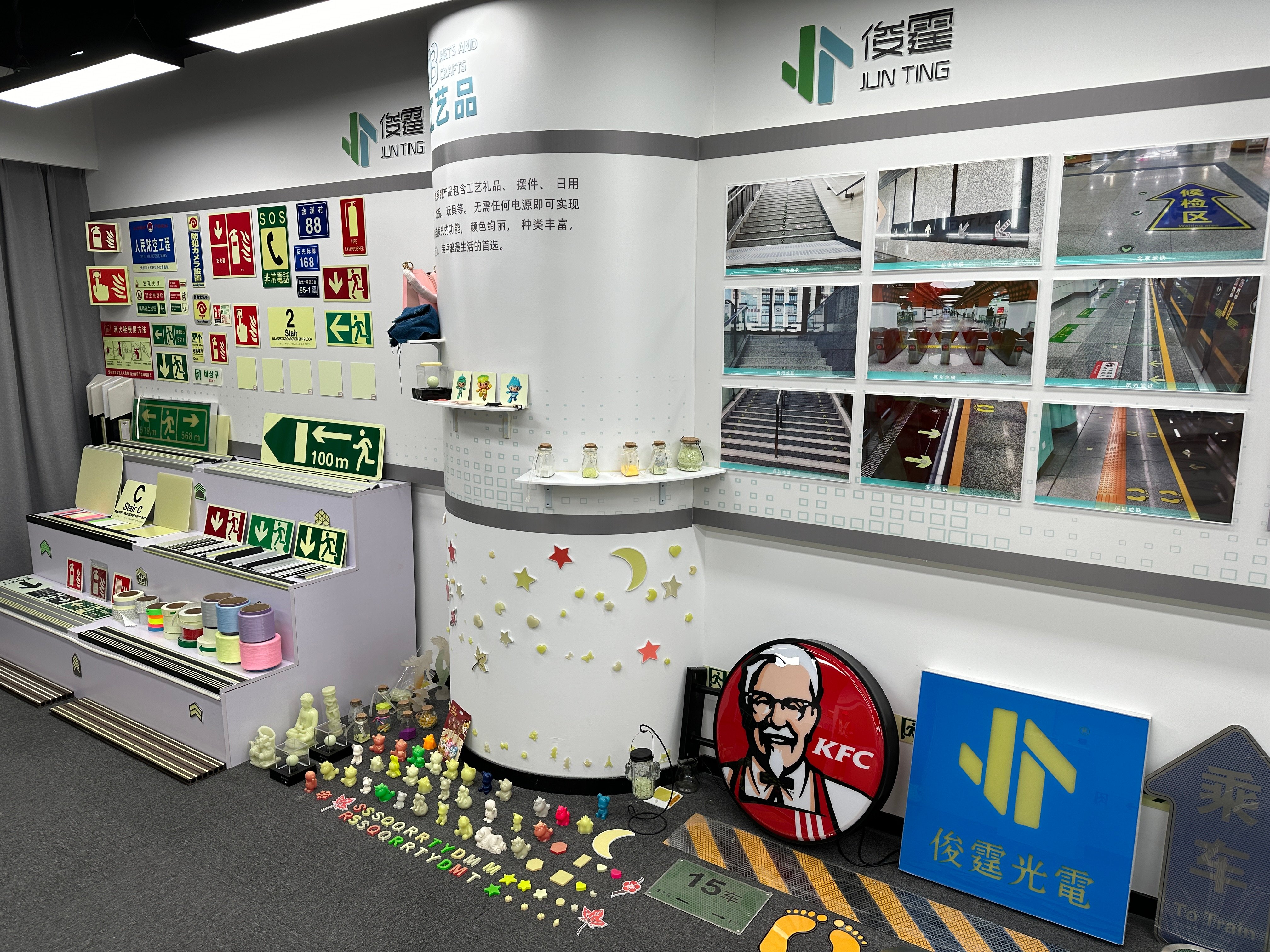
Selecting the right materials for injection molding and extrusion processes requires careful consideration of both performance and sourcing reliability. When incorporating glow in the dark masterbatch into your production workflow, partnering with a dependable china supplier becomes essential for ensuring consistent quality and cost-effectiveness. A professional china supplier specializing in luminescent additives can provide the technical expertise and material consistency your manufacturing operation demands.

Glow in the dark masterbatch represents a specialized compound engineered to emit visible light after absorbing ambient light energy. Working with an experienced china supplier ensures you receive materials formulated with precise phosphorescent properties, optimal particle size distribution, and appropriate resin compatibility for your specific molding or extrusion equipment. Understanding how to integrate this material into your production process directly impacts the luminescence quality and durability of your final products.
Understanding Glow in the Dark Masterbatch Properties
Composition and Material Characteristics
Glow in the dark masterbatch typically consists of rare-earth phosphorescent compounds suspended in a carrier resin matrix. The phosphorescent pigment, usually based on strontium aluminate or zinc sulfide, interacts with ambient light to store energy and subsequently release it as visible light in dark environments. When sourcing from a reputable china supplier, you should verify that the masterbatch contains appropriate concentrations of these active compounds, generally between 15 and 35 percent by weight, to achieve the desired luminescent intensity.
The carrier resin base determines compatibility with your existing material streams and processing conditions. A professional china supplier will offer multiple resin options, including polyethylene, polypropylene, polyester, and polyamide bases, each selected to match your injection molding or extrusion system specifications. Verifying the melting point, viscosity, and thermal stability of the carrier resin ensures seamless integration into your manufacturing workflow without compromising batch consistency or product quality.
Luminescence Duration and Intensity
The practical performance of glow in the dark masterbatch depends on luminescent pigment quality and particle size uniformity. Products sourced from a specialized china supplier maintain controlled particle dimensions to maximize light emission intensity and persistence duration, typically ranging from 8 to 12 hours of visible glow following exposure to natural or artificial light. Understanding these performance metrics helps you set realistic expectations for end-use applications and communicate technical specifications to your customers.
Practical Implementation in Injection Molding
Material Preparation and Mixing
Before introducing glow in the dark masterbatch into your injection molding operation, conduct thorough material preparation to ensure uniform dispersion and prevent pigment agglomeration. Begin by establishing the appropriate masterbatch loading ratio, typically between 1 and 5 percent of total material volume, depending on desired luminescence intensity and final product specifications. A china supplier offering technical guidance can help determine optimal loading percentages for your particular resin type and product geometry.
Pre-drying the glow in the dark masterbatch is critical for preventing moisture absorption that could compromise luminescent properties during the molding process. Store materials in sealed containers with desiccant packets in controlled humidity environments, and verify that your material handling procedures prevent contamination from foreign particles or incompatible polymer residues. Proper preparation at this stage directly influences the visual quality and consistency of your finished parts.
Temperature and Processing Parameters
Processing glow in the dark masterbatch requires careful control of barrel temperature, injection pressure, and hold time to preserve phosphorescent pigment integrity during thermal exposure. Most luminescent masterbatches maintain optimal performance when processed at barrel temperatures between 200 and 260 degrees Celsius, though specific settings depend on your carrier resin selection and equipment capabilities. Exceeding recommended temperature thresholds can degrade the phosphorescent compounds, resulting in reduced light emission and shorter glow duration.
Your china supplier should provide detailed processing guides including recommended temperature profiles, cooling strategies, and specific guidance for your molding equipment model. Implementing these specifications precisely reduces scrap rates, minimizes quality variations between production batches, and extends the functional lifespan of your injection molding equipment. Gradually increase processing parameters during initial trial runs to establish baseline performance metrics and identify any equipment adjustments needed for consistent luminescent product output.
Integration into Extrusion Processes
Extruder Configuration and Material Flow
Extrusion operations introduce distinct processing considerations compared to injection molding when working with glow in the dark masterbatch. The extended residence time in the extruder barrel and shear forces applied to the material require careful temperature management and screw design optimization to maintain phosphorescent pigment dispersion and prevent thermal degradation. Consult with your china supplier about specific extruder screw configurations, particularly regarding barrier sections and mixing zones that enhance material homogenization without excessive heat generation.
Material feeding mechanisms should accommodate the density and bulk characteristics of glow in the dark masterbatch, particularly when blending with primary resin pellets. Gravimetric blending systems provide superior accuracy compared to manual or volumetric methods, ensuring consistent luminescent additive ratios throughout production runs. A reliable china supplier can advise on compatible feeding equipment and optimal blend ratios for specific extrusion applications, from film production to profile manufacturing.
Cooling and Solidification Control
The cooling phase significantly impacts the final appearance and luminescent performance of extruded products containing glow in the dark masterbatch. Rapid cooling in calibrated water baths or air cooling systems helps preserve the uniform dispersion achieved during extrusion while preventing pigment migration or settling that could create visual inconsistencies. Maintaining stable cooling temperatures and consistent take-up speeds prevents crystallization anomalies that might interfere with light transmission through the final product.
Products requiring specific luminescent intensity levels benefit from controlled post-extrusion conditioning processes that allow residual thermal energy to dissipate uniformly. Your china supplier may recommend annealing procedures or specialized cooling protocols tailored to your specific product geometry and intended application. Establishing these processes during the trial production phase creates a reproducible manufacturing standard that maintains product quality across ongoing production volumes.
Quality Control and Performance Verification
Luminescence Testing and Measurement Standards
Verifying that glow in the dark masterbatch delivers expected luminescent performance requires standardized measurement protocols and appropriate testing equipment. Professional laboratories typically employ photometer instrumentation to quantify light emission intensity immediately following controlled light exposure periods, measuring both initial brightness levels and decay rates over extended durations. When working with a china supplier committed to quality assurance, request documentation showing test results conforming to international standards such as ASTM D1926 or ISO 11600.
Establish baseline performance benchmarks early in your material qualification process and conduct periodic verification testing throughout ongoing production to detect any performance degradation or batch-to-batch variations. Internal testing capabilities, even if limited to visual glow assessment in controlled dark environments, provide practical feedback for detecting obvious quality problems before products reach customer sites. Maintaining detailed test records creates valuable documentation for quality assurance purposes and supports continuous improvement initiatives.
FAQ
What specific applications benefit most from glow in the dark masterbatch?
Glow in the dark masterbatch proves particularly valuable in safety applications including emergency exit signs, stairway markers, and industrial equipment identification where continuous electrical power for illumination may be unavailable or impractical. Consumer applications such as novelty toys, decorative housewares, and promotional merchandise benefit from the aesthetic appeal of photoluminescent properties. Working with a china supplier experienced in diverse end-use markets helps identify application opportunities and select appropriate material grades suited to your target market segments.
How does sourcing from a china supplier ensure consistency across production batches?
Established quality management systems implemented by professional china suppliers include raw material testing, in-process quality verification, and finished product inspection protocols that maintain consistent luminescent performance across all manufactured batches. Reputable suppliers maintain certified laboratory facilities capable of measuring pigment particle size distribution, checking resin viscosity stability, and confirming phosphorescent intensity levels against established performance standards. Requesting third-party certification documentation and audit histories demonstrates supplier commitment to quality consistency and regulatory compliance.
Can glow in the dark masterbatch be combined with other colorants or additives?
While glow in the dark masterbatch can often be blended with other additives, certain combinations may compromise luminescent performance or create processing complications. Opaque pigments and other colorants can block light absorption necessary for charging the phosphorescent compounds, potentially reducing glow intensity significantly. Your china supplier should provide compatibility matrices and technical recommendations for safe additive combinations, helping you avoid problematic formulation experiments that might waste materials or damage equipment.