EN




Glow in the dark products have become essential in modern plastic manufacturing, offering manufacturers a powerful way to add safety, visibility, and aesthetic appeal to their output. Whether for consumer goods, industrial applications, or safety equipment, incorporating luminescent technology into plastic formulations requires understanding the science and practical implementation of glow in the dark products. This guide explores how manufacturers can effectively integrate glow in the dark products into their production workflows to meet market demands and regulatory requirements.
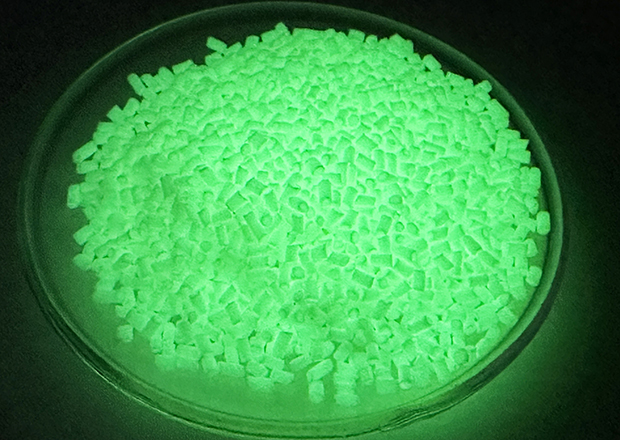
Understanding glow in the dark products begins with recognizing their role in today's competitive marketplace. Plastic manufacturers seeking to differentiate their products and address safety concerns turn to luminescent solutions. The integration of glow in the dark products into plastic compounds offers a straightforward path to innovation without requiring complete process overhauls. By using masterbatch technology, manufacturers can seamlessly incorporate glow in the dark products into existing production lines while maintaining quality and consistency.
Understanding Glow in the Dark Products and Masterbatch Technology
What Are Glow in the Dark Products?
Glow in the dark products are plastic compounds enhanced with photoluminescent materials that absorb light energy and emit visible light in dark conditions. These glow in the dark products function through a process called phosphorescence, where the additive material stores energy from ambient light sources and gradually releases it as visible light. The science behind glow in the dark products involves carefully selected phosphorescent compounds, typically based on alkaline earth silicates or rare earth elements, dispersed evenly throughout the plastic matrix to ensure uniform glowing performance.
How Masterbatch Delivers Glow in the Dark Products
Masterbatch is a concentrated carrier system that allows manufacturers to introduce glow in the dark products into standard plastics without major equipment modifications. By using a masterbatch approach, plastic producers can dilute concentrated glow in the dark products with virgin resin to achieve desired brightness levels. This method ensures consistent particle distribution, prevents clumping, and maintains the structural integrity of the plastic material. Masterbatch technology simplifies the process of creating glow in the dark products at scale, making it accessible to manufacturers of all sizes.
Applications and Market Demand for Glow in the Dark Products
Safety and Visibility in Industrial Markets
Industrial applications represent a growing segment for glow in the dark products. Manufacturers produce safety equipment, emergency signage, and protective gear using glow in the dark products to enhance visibility during power outages or low-light emergencies. Construction sites, warehouses, and manufacturing facilities increasingly specify products containing glow in the dark products for compliance with safety standards. Additionally, glow in the dark products are used in floor markings, stair treads, and handrails where quick visibility after light loss is critical for worker protection.
Consumer Products and Design Innovation
The consumer market drives significant demand for glow in the dark products through novelty items, promotional merchandise, and lifestyle products. Manufacturers create toys, sporting goods, promotional items, and decorative elements using glow in the dark products to capture consumer attention and differentiate their offerings. Brand owners seek glow in the dark products to enhance product appeal, create memorable unboxing experiences, and justify premium positioning. This consumer interest has expanded the market scope for glow in the dark products beyond traditional industrial safety applications.
Technical Specifications and Performance Characteristics of Glow in the Dark Products
Brightness and Duration Metrics
Performance of glow in the dark products depends on several technical parameters that manufacturers must evaluate. Brightness intensity, measured in millicandelas per square meter, indicates how brightly glow in the dark products will emit light. Duration, typically measured in hours of visible glow after light exposure, determines how long glow in the dark products maintain useful luminosity. Quality glow in the dark products maintain brightness for 4 to 12 hours depending on formulation, with initial brightness lasting several hours at levels visible in complete darkness. Testing standards for glow in the dark products follow ISO specifications to ensure consistent quality across manufacturing batches.
Color Variations and Compatibility
Glow in the dark products are available in multiple colors, most commonly yellow-green, which offers optimal visibility to the human eye in dark conditions. Manufacturers can select glow in the dark products in blue or red variants for specialized applications, though these typically display lower brightness than yellow-green formulations. Glow in the dark products must be compatible with the base plastic resin, whether polyethylene, polypropylene, polyvinyl chloride, or polyurethane. Testing compatibility ensures that glow in the dark products do not degrade the mechanical properties, impact resistance, or thermal stability of the finished plastic.
Implementation Strategies for Plastic Manufacturers Using Glow in the Dark Products
Integration into Production Workflows
Incorporating glow in the dark products into existing manufacturing processes requires minimal disruption when using masterbatch technology. Plastic manufacturers can feed masterbatch containing glow in the dark products directly into injection molding machines, extruders, or blow molding equipment without specialized infrastructure. The concentration of glow in the dark products in masterbatch allows engineers to achieve desired effects by adjusting the masterbatch ratio. Most operations successfully integrate glow in the dark products at dilution ratios between 2% and 5% by weight, though specific ratios depend on desired brightness and material constraints.
Quality Control and Performance Validation
Manufacturers implementing glow in the dark products must establish quality control protocols to verify consistent performance. Testing procedures for glow in the dark products should include light absorption capacity, initial brightness measurement, and duration testing under standardized conditions. Temperature cycling, UV resistance testing, and mechanical property verification ensure that glow in the dark products perform reliably throughout the product lifecycle. Documentation of glow in the dark products performance specifications supports regulatory compliance and customer confidence in delivered goods.
FAQ
How long do glow in the dark products remain visible after light exposure?
The duration of visibility for glow in the dark products typically ranges from 4 to 12 hours, with the brightest phase lasting 2 to 4 hours depending on the formulation and light exposure duration. Higher-quality glow in the dark products maintain visible luminosity longer than budget alternatives. Exposure to bright light for extended periods increases the total glowing duration, as the phosphorescent material stores more energy.
Are glow in the dark products safe for consumer-facing applications?
Yes, glow in the dark products used in plastic manufacturing are generally safe when manufactured to established safety standards and regulatory requirements. Most glow in the dark products are non-toxic, non-radioactive, and approved for contact with food in appropriate formulations when certified by regulatory bodies. Manufacturers should verify that glow in the dark products meet relevant certifications for their specific application, whether for toys, food contact, or other sensitive uses. Proper material handling and storage procedures ensure that glow in the dark products maintain their safety profile throughout the manufacturing process.
Can glow in the dark products be used with all types of plastics?
While glow in the dark products are compatible with most common plastic resins, compatibility depends on the specific plastic type and additive formulation. Glow in the dark products work effectively with polyethylene, polypropylene, polyvinyl chloride, polystyrene, and polyurethane. Compatibility testing is recommended before full-scale production to ensure glow in the dark products do not compromise mechanical properties or processing characteristics. Specialized glow in the dark products formulations exist for specific resin types, particularly for engineering plastics or high-temperature applications.
Table of Contents
- Understanding Glow in the Dark Products and Masterbatch Technology
- Applications and Market Demand for Glow in the Dark Products
- Technical Specifications and Performance Characteristics of Glow in the Dark Products
- Implementation Strategies for Plastic Manufacturers Using Glow in the Dark Products
- FAQ