EN
EN



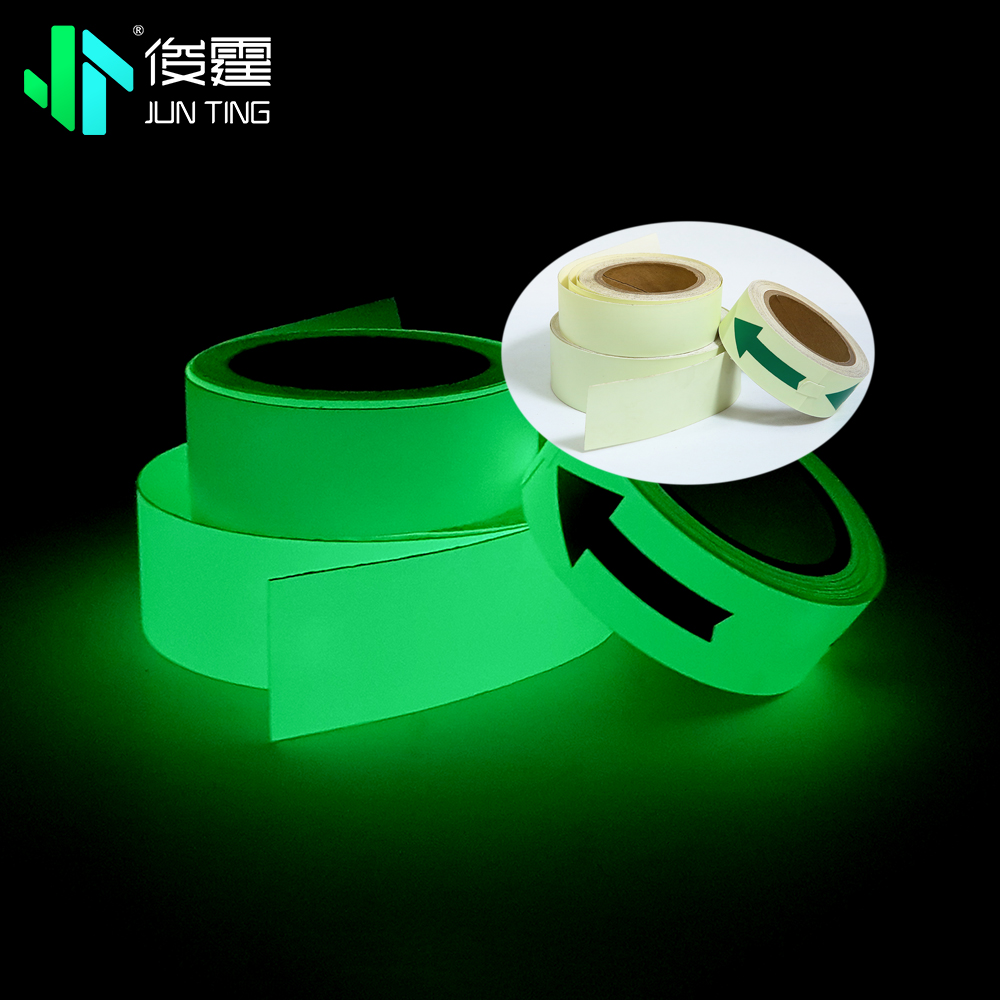
In the modern industrial landscape, maintaining structural compliance and guaranteeing worker safety requires highly visible, reliable signaling systems. Emergency situations, sudden power failures, and low-light environments demand reliable guidance technologies that function independently of electrical grids. Photoluminescent Film has emerged as a premier material for creating custom safety markings, offering an unpowered, self-sustaining illumination source that ensures high visibility when it matters most. As a highly engineered substrate, this material absorbs ambient light and releases it over extended periods, making it an indispensable asset across various commercial, marine, and manufacturing sectors.
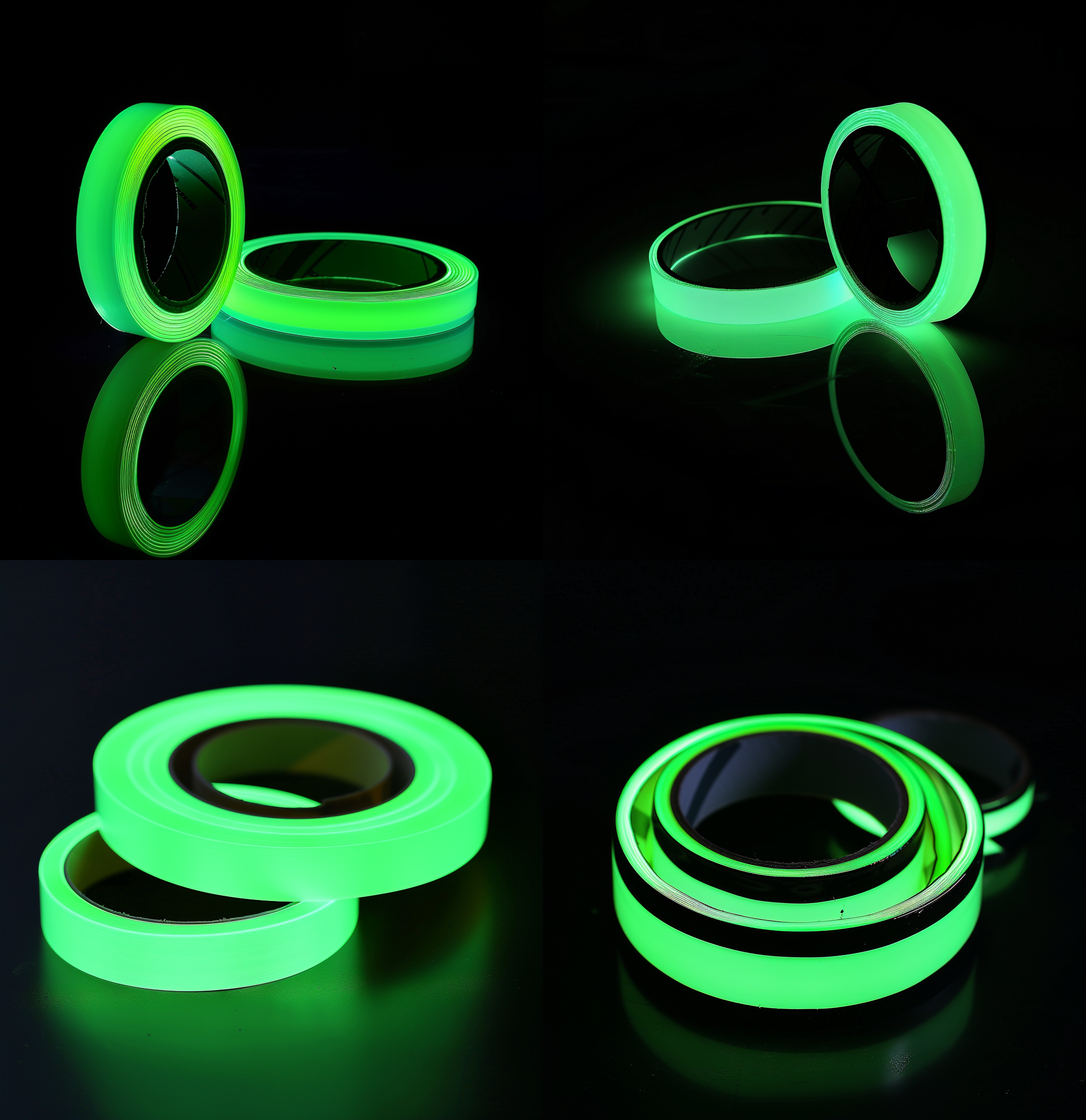
Selecting the appropriate material requires balancing regulatory compliance, material longevity, and economic efficiency. Many procurement managers face challenges finding specialized products that meet rigorous technical specifications while remaining cost-effective. As a leading manufacturer in the phosphorescent and retroreflective materials market, our enterprise provides fully integrated development pipelines to deliver high-performance safety solutions designed to meet stringent global standards.
Technical Integration and Academic Research Collaboration
The performance limits of Photoluminescent Film are inherently tied to particle engineering and polymer chemistry. To maintain a position at the forefront of this technology, our enterprise relies on active collaboration with leading academic institutions, including the Zhejiang University of Technology. This strategic partnership enables continuous breakthroughs in aluminate and silicate phosphor crystal structures, enhancing energy storage efficiency within the polymer matrix.
Through this joint research framework, we provide comprehensive technical support across diverse application fields. Our engineering teams assist clients with material selection, substrate compatibility analysis, and customized chemical resistance profiling to ensure performance in volatile environments. This deep technical foundation translates into practical innovations, transforming specialized academic research into durable, market-ready safety materials.
Product Diversity and High Luminescent Performance
A primary advantage of our product line is its diverse range of configurations tailored to specific environments. We engineer Photoluminescent Film using advanced rare-earth aluminate formulations, resulting in high luminous brightness that exceeds standard industry benchmarks. The material features exceptionally low excitation condition requirements, meaning it can charge under weak ambient light, artificial LED installations, or indirect sunlight.
Once excited, the film delivers a long luminous duration, providing visible illumination through extended power outages or night shifts. Our product catalog spans various high-to-low price points, ensuring a high cost-performance ratio for any budgetary framework. Whether an enterprise requires premium, long-afterglow acrylic films for marine environments or economical PVC configurations for temporary indoor signage, our portfolio accommodates every operational level.
Comprehensive Production, Material Engineering, and Quality Validation
Industrial buyers frequently struggle with disjointed supply chains, where material sourcing, chemical processing, and final slitting are split among multiple vendors. Our enterprise eliminates this fragmentation by operating a completely integrated production line. From raw chemical synthesis and substrate coating to precise slitting and quality control, every stage occurs within our controlled manufacturing facilities.
Our integrated production, research, and testing infrastructure guarantees that every batch of Photoluminescent Film undergoes rigorous quality assurance. Our internal testing laboratories evaluate material performance across crucial metrics, including initial luminance, long-term degradation curves, weatherability, and tensile strength. This end-to-end oversight ensures absolute consistency, giving distributors and end-users confidence that the materials will perform reliably in critical safety scenarios.
Comparative Material Performance and Technical Specifications
To aid procurement teams in evaluating our inventory, the following technical matrix outlines the physical properties and performance standards across our primary material classes:
| Material Base Type | Average Afterglow Duration | Minimum Activation Intensity | Primary Application Environment | Flame Retardancy Rating |
| Premium Acrylic Base | 12+ Hours | 25 Lux (Fluorescent/LED) | Marine, Offshore, Oil & Gas Platforms | Class A Compliance |
| Standard Engineering PVC | 8–10 Hours | 50 Lux (Standard Indoor Light) | Commercial Warehouses, High-Traffic Walkways | Class B1 Certified |
| Flexible Polyurethane (PU) | 6–8 Hours | 50 Lux (Ambient Light) | Curved Substrates, Machinery Contours | Standard Industrial |
| Economical Promotional Grade | 2–4 Hours | 100 Lux (Direct Lighting) | Short-Term Labels, Temporary Event Markings | Non-Rated |
Professional Foreign Trade Operations and Logistics Efficiency
Navigating the logistical complexities of importing specialized industrial materials requires experienced operational support. Our dedicated foreign trade team possesses deep expertise in global supply chain management, ensuring smooth transactions from order placement to final delivery. We optimize international shipping routes to guarantee fast logistics, reducing lead times for time-sensitive infrastructure projects.
Beyond transportation logistics, our team manages efficient licensing and commodity inspection approvals. Photoluminescent products often face scrutiny regarding chemical composition and customs classification. Our documentation specialists handle all regulatory filings, export declarations, and compliance certifications beforehand. This proactive regulatory management prevents delays at customs, ensuring shipments arrive at your facility on schedule and ready for immediate deployment.
Frequently Asked Questions
Q1: What specific types of light are required to charge the photoluminescent material?
Our film is engineered with low excitation thresholds, allowing it to charge under a wide variety of light sources. Standard daylight, fluorescent bulbs, cool white LEDs, and mercury vapor lamps are all highly effective. The material rapidly absorbs UV and visible light waves, converting them into stored energy without requiring specialized charging equipment.
Q2: Can this film be cut and processed using standard workshop machinery?
Yes, our materials are fully compatible with standard industrial converting equipment. They can be cleanly processed using CNC cutters, die-cutting machinery, laser plotters, and manual slitters. The structural integrity of the polymer base ensures that edges remain crisp without fraying or delaminating during high-speed cutting fabrication.
Q3: How does the enterprise ensure compliance with international maritime and fire safety standards?
Our integrated testing facilities evaluate all premium-grade films against global safety protocols, including IMO resolution standards and international fire retardancy benchmarks. We provide full compliance documentation, test reports, and factory certifications with every bulk shipment to streamline your local regulatory approval processes.
Q4: Are customized dimensions or adhesive backings available for bulk orders?
As a direct manufacturer with a complete research and production pipeline, we offer extensive customization options. We can adjust roll widths, total roll lengths, and apply specialized adhesive backing systems designed for difficult or texturized industrial surfaces. Please coordinate with our foreign trade engineering representatives to establish your specific dimensional and material requirements.
Table of Contents
- Technical Integration and Academic Research Collaboration
- Product Diversity and High Luminescent Performance
- Comprehensive Production, Material Engineering, and Quality Validation
- Comparative Material Performance and Technical Specifications
- Professional Foreign Trade Operations and Logistics Efficiency
-
Frequently Asked Questions
- Q1: What specific types of light are required to charge the photoluminescent material?
- Q2: Can this film be cut and processed using standard workshop machinery?
- Q3: How does the enterprise ensure compliance with international maritime and fire safety standards?
- Q4: Are customized dimensions or adhesive backings available for bulk orders?