EN
EN



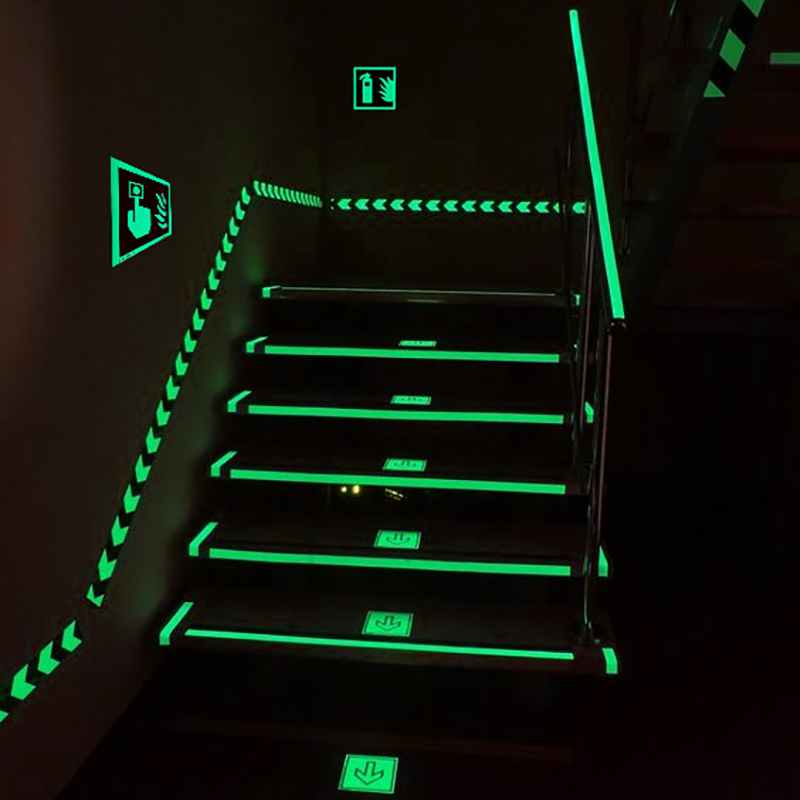
In commercial buildings, transportation hubs, hospitals, and industrial facilities, stairways represent one of the most consistently used architectural elements — and one of the most hazard-prone. The challenge of keeping those surfaces safe, visible, and structurally intact under relentless foot traffic is significant. photoluminescent stair nosing has emerged as a leading solution that combines passive safety illumination with engineered durability, making it especially well-suited for environments where both performance and longevity are non-negotiable.
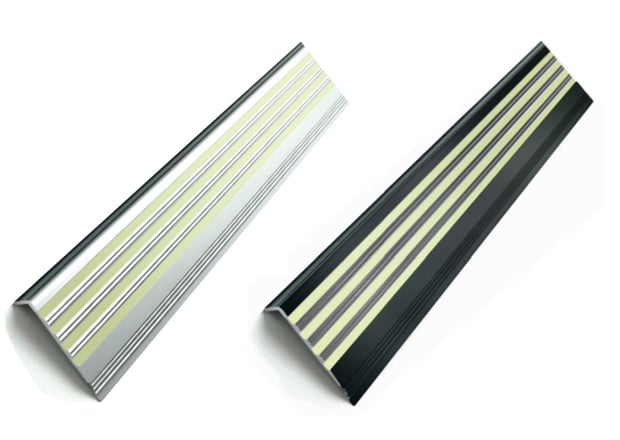
Understanding how photoluminescent stair nosing holds up over time — and what maintenance routines actually preserve its performance — is essential for facility managers, safety officers, and building designers making long-term investment decisions. This article examines the structural composition, wear resistance, and realistic upkeep demands of photoluminescent stair nosing specifically in high-traffic environments, giving you the information needed to evaluate its suitability and lifecycle value with confidence.
What Makes Photoluminescent Stair Nosing Durable in Demanding Environments
Material Composition and Load-Bearing Properties
The durability of photoluminescent stair nosing begins with its core material. Most high-performance versions are manufactured from aluminum alloy profiles, which offer an excellent strength-to-weight ratio and high resistance to deformation under repeated compressive loads. Aluminum-based photoluminescent stair nosing is inherently resistant to corrosion, making it suitable for environments exposed to cleaning chemicals, moisture, and temperature fluctuations.
Embedded within the aluminum body is the photoluminescent insert — typically a strip of strontium aluminate-based material sealed within a durable carrier. This insert is the functional core of any photoluminescent stair nosing product, responsible for absorbing ambient or UV light and emitting a sustained glow in low-light or emergency conditions. The physical enclosure of this insert within the metal profile protects it from direct abrasion, which is critical for longevity in high-traffic stairwells.
The anti-slip surface treatment applied to the top face of the nosing further contributes to overall durability. Ribbed or serrated patterns machined directly into the aluminum reduce reliance on adhesive coatings that can degrade, peel, or wear unevenly over time. This integrated design means that photoluminescent stair nosing maintains its structural integrity and traction properties far longer than surface-applied alternatives.
Resistance to Abrasion, Impact, and Foot Traffic Loads
High-traffic areas subject stair nosing to a continuous cycle of compressive, sliding, and impact forces. Commuter train stations, airports, shopping centers, and multi-floor office buildings may see thousands of footfalls per day on the same stair edge. In these contexts, photoluminescent stair nosing must resist surface wear without compromising the visibility of the luminescent strip underneath.
Anodized aluminum finishes significantly extend the service life of photoluminescent stair nosing by hardening the surface layer to resist scratches and abrasive wear from footwear soles, cleaning equipment, and trolley wheels. Anodizing creates a molecular bond with the aluminum rather than a separate applied coating, so there is no risk of delamination even under years of sustained mechanical stress.
Impact resistance is equally critical in commercial environments where luggage, carts, and equipment regularly contact stair edges. A well-engineered photoluminescent stair nosing profile is designed with geometric depth — the vertical face of the nosing absorbs impact energy and prevents chipping or cracking at the stair edge. This design principle protects both the stair structure and the safety function of the nosing simultaneously.
Performance Longevity of Photoluminescent Stair Nosing Over Time
Glow Duration and Photoluminescent Retention
One of the most important durability questions for photoluminescent stair nosing is whether its glow performance degrades meaningfully over time. The photoluminescent material used in quality products — strontium aluminate — is known for its exceptional chemical stability. Unlike radioactive or electrically powered luminescent systems, strontium aluminate does not deplete with repeated charge-discharge cycles. In controlled laboratory conditions, well-manufactured photoluminescent stair nosing can maintain its glow output for decades without measurable decline in luminescent capacity.
However, real-world performance depends significantly on the quality of the encapsulation that shields the photoluminescent insert from physical damage and chemical exposure. In high-traffic areas, the physical protection offered by the aluminum housing is essential. When the insert is properly recessed and covered by a transparent protective layer, photoluminescent stair nosing maintains glow consistency even in environments with heavy soiling, wet conditions, or frequent cleaning.
It is worth noting that while the luminescent material itself does not wear out, the optical transmission of any protective cover over it can be reduced by accumulated surface scratches or permanent staining. This is why the initial material quality of the protective layer — often a hardened polymer or clear anodized channel — plays a critical role in determining how consistently photoluminescent stair nosing performs over a 10 to 20-year service life.
Structural Fixation and Joint Stability
Beyond the luminescent performance itself, the long-term durability of photoluminescent stair nosing in high-traffic areas depends on how securely it is anchored to the stair substrate. Most professional-grade installations use a combination of mechanical fixings — typically stainless steel countersunk screws — and construction adhesive applied to the underside of the nosing profile. This dual-fixation approach prevents rocking, lifting at the edges, or lateral movement that would otherwise accelerate wear and create trip hazards.
Properly installed photoluminescent stair nosing distributes foot traffic loads across the full length of the profile rather than concentrating stress at fixing points. This even load distribution reduces the risk of fatigue cracking in both the nosing itself and the substrate material at the stair edge. In concrete or stone stair applications, the pre-drilled fixing holes allow for secure screw anchoring without fracturing the substrate, contributing to a stable installation that resists movement for the life of the building.
Maintenance Requirements in High-Traffic Environments
Routine Cleaning Protocols for Photoluminescent Stair Nosing
The maintenance demands of photoluminescent stair nosing are considerably lower than those of electrically illuminated alternatives, but routine cleaning remains essential — both for safety compliance and for preserving luminescent efficiency. Dirt, grease, and surface films reduce the amount of light reaching the photoluminescent insert, which directly impacts how effectively it charges and subsequently glows in emergency conditions.
For standard maintenance in high-traffic areas, photoluminescent stair nosing should be cleaned using a mild detergent solution and a soft-bristle brush or mop. Avoid abrasive cleaning pads, wire brushes, or solvent-based cleaners, as these can scratch the protective layer over the insert or degrade the finish of the aluminum profile over repeated applications. A clean surface allows maximum light transmission to the luminescent material, ensuring the nosing charges fully during normal building illumination hours.
In environments where the stairway is subject to heavy soiling — such as industrial facilities, food service areas, or outdoor-exposed stairwells — more frequent cleaning intervals may be required. Facilities that implement regular scheduled cleaning as part of their standard floor care program typically find that photoluminescent stair nosing maintains consistent visual clarity and glow performance without any additional specialist intervention.
Inspection Cycles and Early Detection of Wear
While photoluminescent stair nosing is inherently low-maintenance, a structured periodic inspection routine is advisable in high-traffic installations. Inspections should check for mechanical loosening of fixings, surface cracking or deformation of the profile, visible damage to the luminescent insert, and any signs of edge lifting that could create a trip hazard. In most commercial settings, a quarterly visual inspection is sufficient to catch early signs of wear before they develop into safety or compliance issues.
The luminescent performance of photoluminescent stair nosing can be functionally verified by conducting a simple darkness test — briefly extinguishing the lights in a space after normal occupancy hours and observing whether the nosing emits a clearly visible glow from a realistic viewing distance. This non-invasive check requires no specialist equipment and provides immediate confirmation that the photoluminescent stair nosing is performing its intended safety function. Any nosing section that shows significantly reduced glow output compared to adjacent sections should be investigated for surface contamination, physical damage to the insert, or inadequate light exposure during the day.
Fixings should be checked and, if needed, tightened during routine inspections. In high-vibration environments such as manufacturing floors or transit platforms, mechanical fixings may loosen more rapidly and may warrant more frequent inspection intervals. Where fixings show signs of corrosion, replacement with matching stainless steel hardware maintains both mechanical integrity and the overall appearance of the photoluminescent stair nosing installation.
Suitability of Photoluminescent Stair Nosing for Specific High-Traffic Contexts
Commercial Buildings and Institutional Facilities
In office towers, hotels, hospitals, and educational institutions, stairways serve as emergency egress routes as well as everyday transit paths. Photoluminescent stair nosing in these environments must balance aesthetic integration with reliable safety performance during power failures. The passive nature of photoluminescent stair nosing — requiring no wiring, no battery backup, and no active power source — simplifies compliance with fire safety and emergency egress regulations while eliminating the operational costs associated with electrically powered alternatives.
Commercial buildings with high daily foot traffic benefit particularly from aluminum-profile photoluminescent stair nosing due to its ability to withstand wear without requiring refinishing or replacement on short cycles. In facilities where stair aesthetics are important, anodized aluminum profiles in silver or black finishes integrate cleanly with modern interior design while still providing the luminescent safety function that building codes increasingly require.
Industrial and Transit Infrastructure
Photoluminescent stair nosing used in industrial plants, warehouses, and transit infrastructure faces some of the most demanding conditions: exposure to oils, chemicals, heavy mechanical impacts, extreme temperature ranges, and very high foot traffic volumes. In these contexts, the selection of a nosing product with a robust aluminum profile, deeply recessed insert, and hard anodized surface treatment is particularly important for achieving acceptable service life.
Transit infrastructure — including subway stations, rail platforms, ferry terminals, and airport concourses — represents an environment where photoluminescent stair nosing must maintain both safety performance and physical integrity across tens of thousands of daily uses. Products designed for these applications are typically engineered to meet or exceed international standards for both luminescent output and mechanical durability, ensuring that the investment in photoluminescent stair nosing delivers value across a service life measured in decades rather than years.
FAQ
How long does photoluminescent stair nosing last in a high-traffic stairwell?
With proper installation and routine cleaning, high-quality photoluminescent stair nosing in aluminum profiles can reliably serve a high-traffic stairwell for 15 to 25 years. The aluminum structure resists mechanical wear over this period, while the strontium aluminate luminescent insert retains its glow capacity without depletion. Service life is primarily influenced by installation quality, cleaning practices, and the level of physical impact the nosing is subjected to rather than any inherent limitation in the photoluminescent material itself.
Does heavy foot traffic reduce the glow output of photoluminescent stair nosing over time?
Direct foot traffic does not deplete the photoluminescent material, since strontium aluminate undergoes no chemical change during its charge-discharge cycle. What can reduce apparent glow output in high-traffic areas is the accumulation of surface dirt or fine scratches on the protective cover layer over the insert. Regular cleaning effectively removes soiling and restores light transmission, which in turn ensures the insert charges fully and glows at its rated output. Physical damage to the insert itself is rare when it is properly housed within a well-engineered aluminum profile.
What cleaning products are safe to use on photoluminescent stair nosing?
Mild, pH-neutral detergents diluted in water are the recommended choice for routine cleaning of photoluminescent stair nosing. These are effective at removing organic soiling, surface oils, and general grime without attacking the aluminum finish or the protective layer over the luminescent insert. Strongly acidic or alkaline cleaners, abrasive compounds, and solvent-based products should be avoided, as they can discolor the aluminum profile, scratch the insert cover, or cause premature surface degradation that would reduce both appearance and luminescent performance over time.
Is photoluminescent stair nosing compliant with fire safety and building codes in high-traffic commercial properties?
Photoluminescent stair nosing is recognized under multiple international building and fire safety standards as an effective component of emergency egress marking systems. Its passive operation — meaning it does not require electricity, batteries, or maintenance-dependent active components — makes it particularly reliable for compliance purposes. Building managers should verify that the specific product selected meets the photoluminescent output standards referenced in applicable local codes, as compliance thresholds vary by jurisdiction and occupancy type. Products manufactured to recognized standards such as ISO 17398 or equivalent national specifications provide documented performance baselines for regulatory review.
Table of Contents
- What Makes Photoluminescent Stair Nosing Durable in Demanding Environments
- Performance Longevity of Photoluminescent Stair Nosing Over Time
- Maintenance Requirements in High-Traffic Environments
- Suitability of Photoluminescent Stair Nosing for Specific High-Traffic Contexts
-
FAQ
- How long does photoluminescent stair nosing last in a high-traffic stairwell?
- Does heavy foot traffic reduce the glow output of photoluminescent stair nosing over time?
- What cleaning products are safe to use on photoluminescent stair nosing?
- Is photoluminescent stair nosing compliant with fire safety and building codes in high-traffic commercial properties?