EN



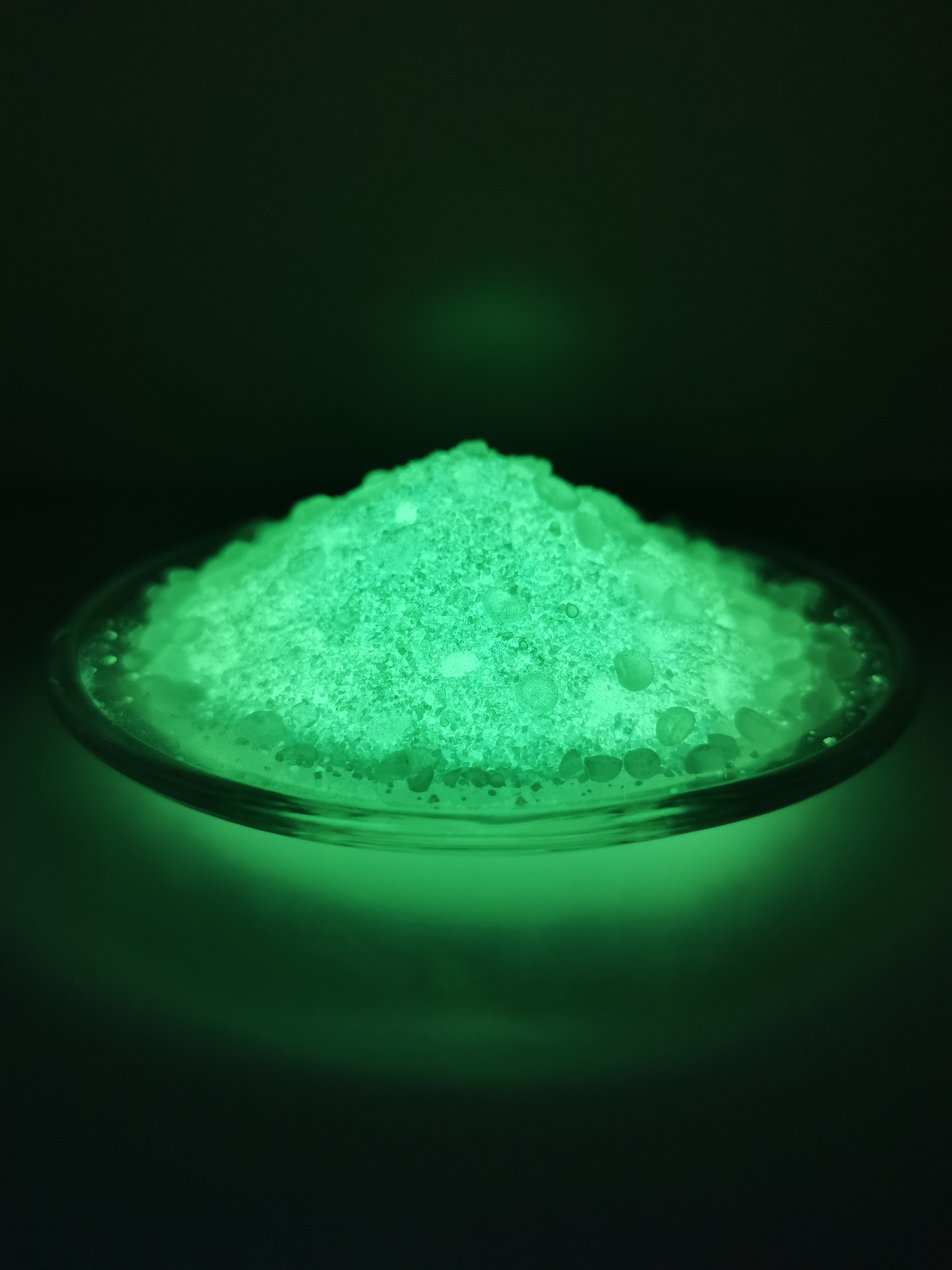
The evolution of highway infrastructure depends on innovations that enhance driver safety and reduce accidents during challenging visibility conditions. Photoluminescent road marking paint represents a transformative approach to how we design and maintain road marking paint systems across modern transportation networks. Unlike conventional road marking paint that relies solely on retroreflective beads, photoluminescent road marking paint absorbs ambient light during the day and releases it gradually during darkness, creating a self-illuminating visibility system. This technology addresses a critical gap in road marking paint performance, particularly during fog, rain, and nighttime driving when standard road marking paint becomes difficult to distinguish. The integration of photoluminescent road marking paint into highway infrastructure signals a shift toward proactive safety measures that benefit all road users.

Highway departments and transportation authorities worldwide are investigating photoluminescent road marking paint as a solution to reduce night-time collisions and improve lane delineation clarity. When compared to traditional road marking paint formulations, photoluminescent road marking paint delivers extended visibility windows that persist even when external lighting is absent. The adoption of photoluminescent road marking paint reflects growing recognition that driver safety requires multi-layered visibility strategies. As urban and rural highways continue to experience increased traffic volumes, the performance characteristics of road marking paint become increasingly critical to accident prevention and traffic flow efficiency.
How Photoluminescent Road Marking Paint Enhances Highway Safety
Self-Illuminating Visibility Benefits of Road Marking Paint
Photoluminescent road marking paint functions through a scientifically proven mechanism that distinguishes it from conventional road marking paint products. The phosphorescent pigments embedded within photoluminescent road marking paint absorb photons during daylight hours or under artificial light sources. These absorbed photons generate energy that road marking paint releases gradually over several hours following darkness onset, producing a soft glow that marks lane boundaries, curve warnings, and hazard zones. This continuous emission cycle means photoluminescent road marking paint maintains visibility for extended periods without requiring external power sources or active light reflection, making it fundamentally different from standard road marking paint that depends entirely on external headlight reflection.
Performance Advantages During Low-Visibility Conditions
Standard road marking paint relies on retroreflective beads that bounce headlight beams back to drivers, creating visibility that depends on proper vehicle positioning and beam angle. Photoluminescent road marking paint operates independently of these variables, providing consistent visibility regardless of headlight positioning or driver approach angle. During heavy fog, rain, or snow conditions where conventional road marking paint becomes nearly invisible, photoluminescent road marking paint continues emitting stored light energy. This characteristic makes photoluminescent road marking paint particularly valuable for accident-prone highway sections, elevated roads prone to dense fog, and mountainous terrain where visibility challenges are endemic. The durability of photoluminescent road marking paint in extreme weather also exceeds that of standard road marking paint formulations, as the self-illuminating mechanism requires no moving components or deteriorating reflective surfaces.
Implementation Challenges and Technical Considerations for Road Marking Paint
Installation and Surface Preparation Requirements
Applying photoluminescent road marking paint requires surface conditions that differ from standard road marking paint installation protocols. The asphalt or concrete substrate must be thoroughly cleaned, dried, and free from oils, dust, and contaminants that could compromise adhesion of photoluminescent road marking paint to the road surface. Professional installation of photoluminescent road marking paint demands temperature control, as most formulations require application within specific thermal windows to ensure proper curing and pigment activation. Unlike conventional road marking paint that can be applied across broader temperature ranges, photoluminescent road marking paint exhibits performance variations based on application conditions. Road maintenance crews require specialized training to handle photoluminescent road marking paint correctly, understand pigment activation requirements, and recognize when road marking paint conditions necessitate reapplication or maintenance interventions.
Cost Analysis and Long-Term Value Proposition
The initial material and installation costs for photoluminescent road marking paint typically exceed expenses associated with standard road marking paint by approximately thirty to forty percent. However, this cost differential must be evaluated against long-term benefits that photoluminescent road marking paint delivers through reduced accident rates, decreased maintenance frequency, and extended service intervals compared to conventional road marking paint. Transportation agencies implementing photoluminescent road marking paint in high-risk corridors report significant reductions in collision frequency during nighttime hours, providing quantifiable safety improvements that justify initial investment premiums. The longevity of photoluminescent road marking paint also surpasses standard road marking paint in many applications, as the self-illuminating mechanism requires no retroreflective bead replacement or surface polishing to maintain visibility performance. Cost-benefit analyses conducted across multiple highway systems demonstrate that photoluminescent road marking paint generates favorable return on investment when applied strategically to accident hotspots and high-traffic corridors.
Future Applications and Evolution of Road Marking Paint Technology
Smart Highway Integration and Vehicle Communication
The emergence of autonomous vehicle technology creates new opportunities for photoluminescent road marking paint to serve as an enhanced infrastructure component within smart highway ecosystems. As vehicle sensors and communication systems advance, road marking paint systems that include photoluminescent properties provide critical redundancy for lane detection and navigation confirmation. Future road marking paint formulations may incorporate digital markers or coded patterns that autonomous systems can interpret, using photoluminescent road marking paint as both human-visible guidance and machine-readable infrastructure data. Research initiatives exploring this convergence suggest that photoluminescent road marking paint will become integral to transportation networks supporting mixed autonomous and human-driven vehicle populations. The standardization of photoluminescent road marking paint specifications across regions will accelerate adoption and enable seamless integration with emerging mobility technologies.
Environmental and Sustainability Considerations
Modern photoluminescent road marking paint formulations increasingly incorporate sustainable materials and environmentally compatible pigments that align with global emissions reduction targets. Unlike lighting-based road illumination systems that consume electrical energy continuously, photoluminescent road marking paint operates entirely through passive light absorption and emission, eliminating energy consumption and associated carbon footprints. The environmental advantage of photoluminescent road marking paint extends to reduced maintenance requirements, as fewer repainting cycles translate to lower material consumption and reduced construction traffic disruptions. Future development of photoluminescent road marking paint will likely focus on bio-based pigments, non-toxic formulations, and sustainable manufacturing processes that minimize environmental impact while maintaining performance standards. Transportation agencies prioritizing sustainability initiatives view photoluminescent road marking paint as a strategic component of green infrastructure programs that reduce operational environmental burden while enhancing safety outcomes.
FAQ
How long does photoluminescent road marking paint remain visible after sunset?
Photoluminescent road marking paint typically emits visible light for four to eight hours following darkness onset, depending on pigment quality, charging intensity during daylight, and environmental conditions. The glow intensity decreases gradually throughout this period, beginning with clearly visible brightness in the first two to three hours. High-quality photoluminescent road marking paint formulations maintain useful visibility for extended durations compared to standard road marking paint, making it suitable for extended night-time visibility requirements. Performance variations depend on specific product specifications and installation conditions.
Can photoluminescent road marking paint be used in all climates?
Photoluminescent road marking paint performs effectively across most climate zones, though extreme conditions may impact charging efficiency and durability. High-latitude regions with extended darkness periods benefit significantly from photoluminescent road marking paint's self-illuminating properties. Humid and rainy climates require photoluminescent road marking paint formulations with enhanced water resistance and protective coatings. Extreme temperature variations can affect pigment activation rates and long-term performance of photoluminescent road marking paint, requiring specification adjustments for particular geographic regions. Manufacturers provide climate-specific photoluminescent road marking paint variants designed for optimal performance under regional conditions.
What maintenance does photoluminescent road marking paint require?
Photoluminescent road marking paint requires minimal ongoing maintenance compared to conventional road marking paint systems, as the self-illuminating mechanism eliminates bead degradation issues. Periodic cleaning removes dirt, debris, and snow accumulation that could reduce light absorption or emission efficiency of photoluminescent road marking paint. Protective top-coat applications extend photoluminescent road marking paint lifespan and maintain visibility performance during extended service periods. Most photoluminescent road marking paint installations function effectively for five to ten years before reapplication becomes necessary, substantially exceeding standard road marking paint service intervals. Maintenance schedules should follow manufacturer recommendations specific to installed photoluminescent road marking paint products and regional environmental factors.