EN



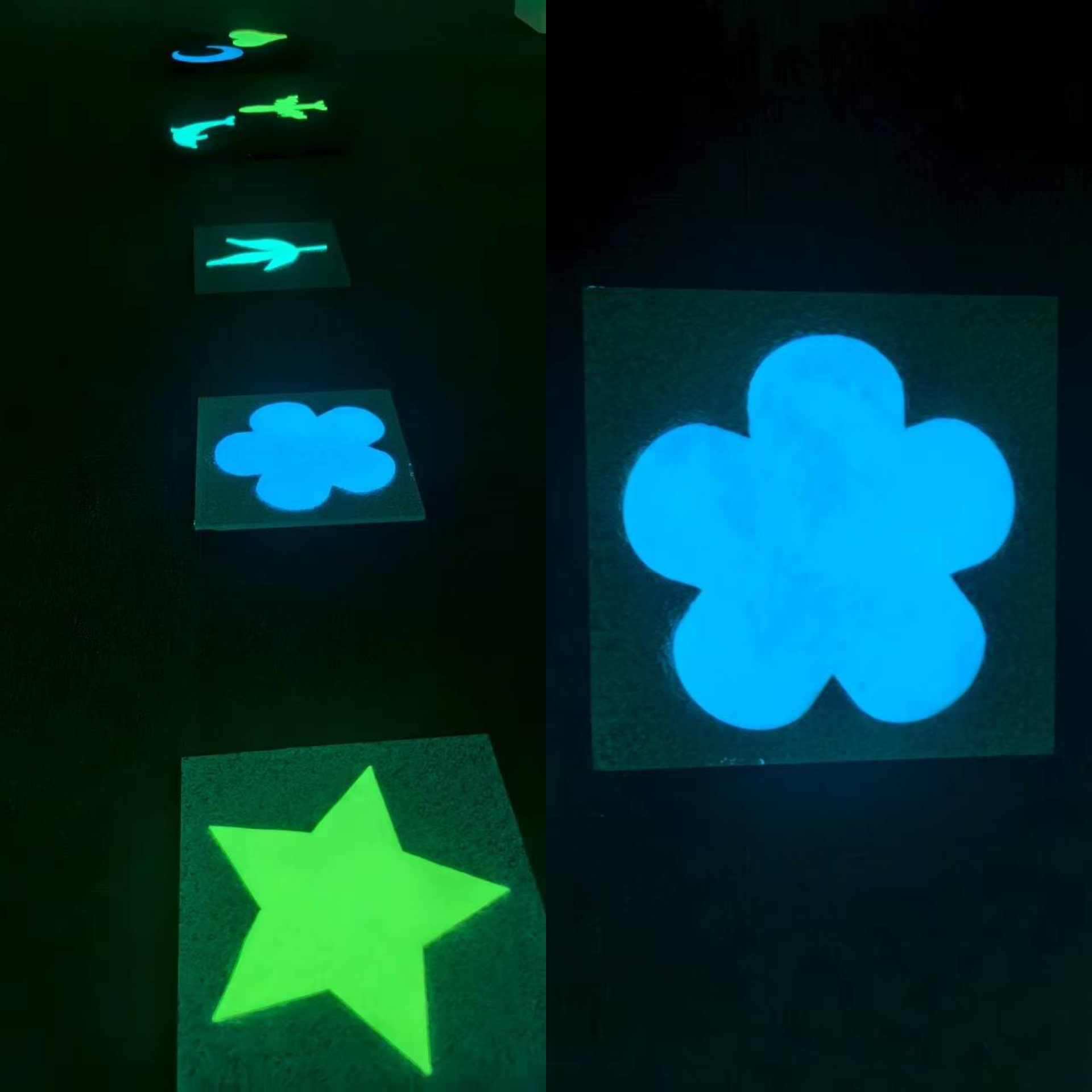
Transforming your garden into an enchanting outdoor space requires thoughtful planning and the right materials. One innovative solution gaining popularity among landscape designers is road marking paint, which offers unique illumination properties that traditional garden lighting cannot match. Unlike conventional outdoor lights that require electricity and maintenance, road marking paint captures natural sunlight during the day and emits a soft, ambient glow throughout the evening hours. This sustainable approach to garden design combines aesthetic appeal with practical functionality, making road marking paint an increasingly popular choice for homeowners and designers seeking to enhance their outdoor environments.

The technology behind road marking paint relies on photoluminescent compounds that store energy from daylight exposure. When applied to garden surfaces such as pathways, borders, or decorative elements, road marking paint creates a mesmerizing nighttime effect that guides visitors safely while adding visual interest to your landscape. Understanding how to properly select, apply, and maintain road marking paint in your garden design ensures you achieve the desired aesthetic and functional results while maximizing the longevity of your investment.
Understanding Road Marking Paint Composition and Garden Application
What Makes Road Marking Paint Ideal for Garden Designs
Road marking paint contains specialized photoluminescent pigments that absorb and store light energy during daylight hours. These pigments consist of rare earth elements that possess the unique ability to re-emit stored light gradually throughout the night, creating a sustainable illumination source. When manufacturers formulate road marking paint for outdoor applications, they ensure the pigments remain stable under UV exposure and various weather conditions. The durability of quality road marking paint makes it particularly valuable for permanent garden installations where regular replacement would be impractical. Additionally, road marking paint requires no electrical infrastructure, making it an economical choice for gardens of any size.
Material Properties and Environmental Resilience
The effectiveness of road marking paint depends significantly on its composition and the quality of photoluminescent materials used. Premium road marking paint formulations include UV-stable resins that prevent color degradation and maintain luminescence intensity over extended periods. Environmental factors such as humidity, temperature fluctuations, and direct rainfall all influence how well road marking paint performs in garden settings. Professionals recommend selecting road marking paint specifically designed for exterior use, as these formulations incorporate protective additives that enhance resistance to weathering. The paint layer thickness also affects longevity, with thicker applications of road marking paint generally providing more consistent glow intensity and longer-lasting performance throughout multiple seasons.
Design Implementation and Creative Applications of Road Marking Paint
Pathway Illumination and Directional Guidance
One of the most practical applications of road marking paint in garden design involves creating illuminated pathways that guide visitors safely through outdoor spaces after dark. By applying road marking paint along walkway edges or creating stripe patterns, designers establish clear navigation routes while eliminating the need for solar stake lights or electrical fixtures. The soft glow produced by road marking paint provides ambient illumination sufficient for safe walking without creating harsh shadows or light pollution. Many residential gardens benefit from road marking paint applications on steps, ramps, and deck edges where safety concerns are paramount. The aesthetic appeal of road marking paint glowing softly against landscaping creates an sophisticated outdoor atmosphere that appeals to modern design sensibilities.
Accent Features and Decorative Elements
Beyond functional pathways, creative applications of road marking paint include highlighting garden features, defining planting beds, and creating artistic compositions. Designers apply road marking paint to decorative borders, stone accents, and architectural elements to create visual interest during evening hours. The contrast between illuminated and non-illuminated surfaces achieved with road marking paint produces dramatic effects that transform garden perception from day to night. Landscape architects use road marking paint to emphasize water features, sculptures, and focal points that become even more striking when glowing softly after sunset. Careful color selection of road marking paint formulations ensures the nighttime aesthetic complements the daytime garden appearance without creating jarring transitions.
Application Techniques and Maintenance Strategies for Road Marking Paint
Professional Application Methods and Surface Preparation
Successful implementation of road marking paint in garden environments requires thorough surface preparation and proper application techniques. Clean surfaces are essential before applying road marking paint, as dirt, algae, and debris reduce adhesion and compromise the luminescent properties. Professionals recommend pressure washing target areas at least several days before applying road marking paint to ensure complete drying. The application of primer specifically formulated for road marking paint enhances bonding to porous surfaces such as concrete, stone, and asphalt. Multiple thin coats of road marking paint generally produce superior results compared to single heavy applications, as layering allows proper curing and improves light absorption capacity. Environmental conditions during application significantly influence road marking paint performance, with ideal temperatures between 50 and 85 degrees Fahrenheit ensuring optimal curing and longevity.
Maintenance Practices and Durability Optimization
Protecting your investment in road marking paint requires regular maintenance and proactive care strategies. Periodic cleaning removes accumulated debris that blocks light absorption and reduces the glow intensity of road marking paint throughout the night. Avoid using harsh chemicals or abrasive cleaning methods that can damage the road marking paint surface and compromise the photoluminescent pigments. High-traffic areas receive regular foot traffic that gradually wears down road marking paint, necessitating periodic reapplication every 3 to 5 years depending on usage intensity. Applying a clear protective sealant over cured road marking paint extends durability and shields the photoluminescent layer from environmental damage. Seasonal inspections help identify areas where road marking paint application requires touching up or refreshing to maintain consistent nighttime illumination quality.
FAQ
Can road marking paint provide sufficient illumination for outdoor security purposes?
Road marking paint produces ambient illumination suitable for navigation and creating visual interest, but it does not generate sufficient brightness for comprehensive security applications. While road marking paint helps visitors navigate safely and makes pathways visible at night, security-focused installations typically require supplementary motion-sensor lighting or other active illumination sources. The gentle glow from road marking paint complements professional security systems rather than replacing them, making it an excellent choice for aesthetic enhancement in conjunction with other safety measures.
How long does road marking paint maintain its luminescence effectiveness in garden environments?
Quality road marking paint formulations typically maintain effective luminescence for 8 to 12 hours after adequate sunlight exposure, with intensity gradually declining as the night progresses. The duration of road marking paint glow depends on the quality of photoluminescent pigments, surface thickness, and local weather conditions. High-performance road marking paint products designed for professional applications generally outperform budget alternatives by maintaining visible glow for extended periods. Regular recharging during daytime hours keeps road marking paint performing optimally, with the cumulative effect of multiple days of good sun exposure increasing overall luminescence intensity.
Is road marking paint safe for garden environments where children or pets spend time?
Road marking paint formulated for outdoor garden applications meets safety standards and poses minimal risk when properly applied and maintained. Modern road marking paint products use non-toxic photoluminescent materials that do not leach harmful substances into soil or water sources. Once completely cured, road marking paint creates a sealed surface that prevents direct contact with pigments, making it safe for residential gardens. However, applying road marking paint requires keeping children and pets away during application and curing periods, and periodic maintenance ensures the coating remains intact and secure. Selecting premium road marking paint from reputable manufacturers guarantees compliance with environmental regulations and safety standards.