EN
EN



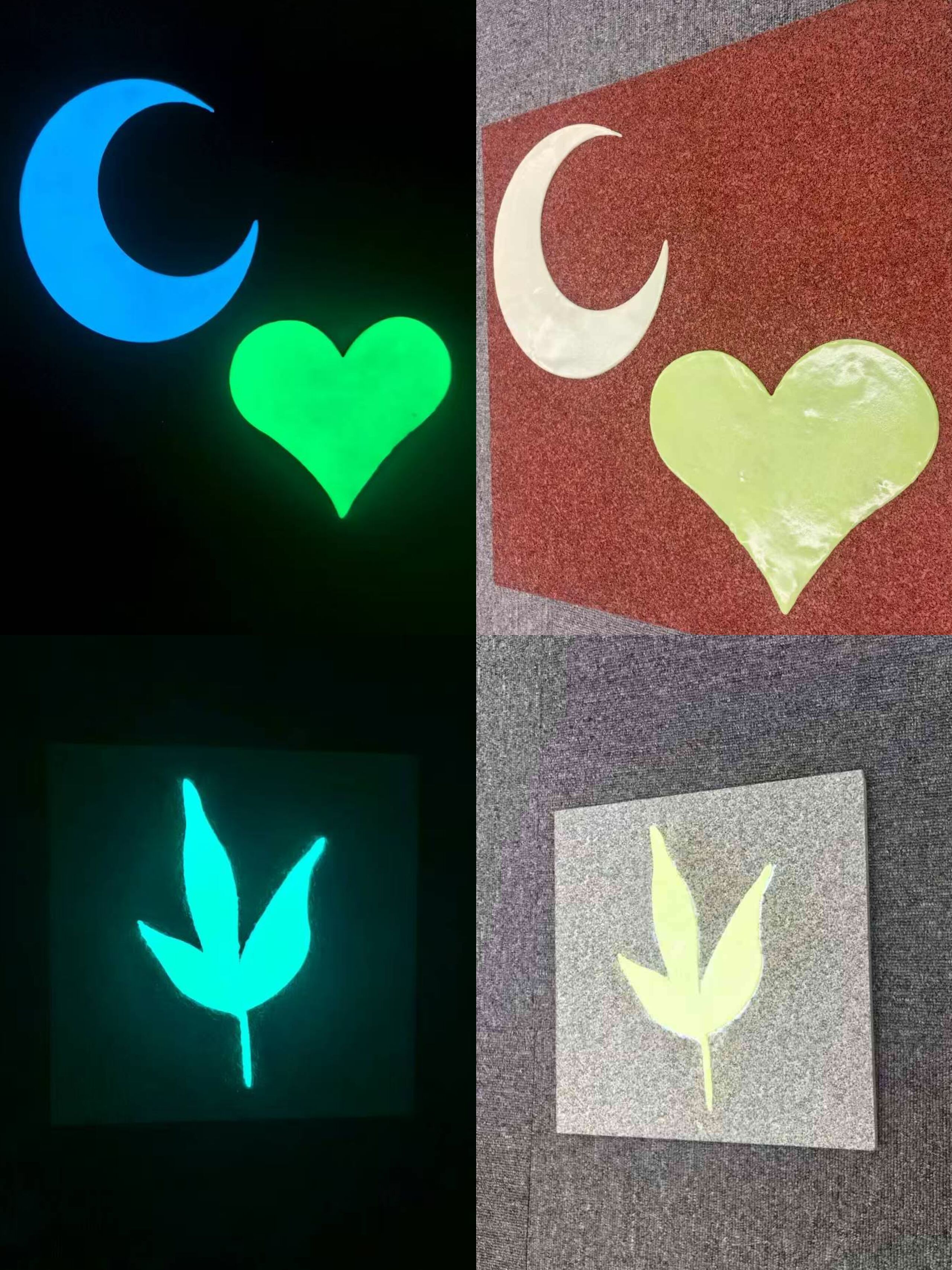
Strontium aluminate glow powder represents a revolutionary advancement in luminescent technology, offering unprecedented brightness and longevity that far surpasses traditional phosphorescent materials. This remarkable photoluminescent compound has transformed industries ranging from safety applications to decorative arts, providing sustainable lighting solutions without external power sources. Understanding the unique properties and applications of strontium aluminate glow powder opens doors to innovative possibilities across numerous sectors.
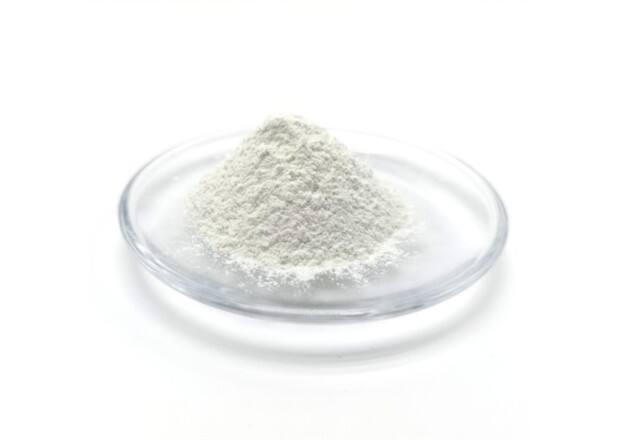
Understanding Strontium Aluminate Technology
Chemical Composition and Structure
The foundation of strontium aluminate glow powder lies in its sophisticated crystal structure, where strontium, aluminum, and oxygen atoms form a stable lattice capable of trapping and releasing light energy. This crystalline framework, typically doped with europium and dysprosium ions, creates the exceptional photoluminescent properties that distinguish it from conventional zinc sulfide phosphors. The europium ions serve as luminescent centers, while dysprosium acts as a co-activator, enhancing the afterglow persistence and brightness intensity.
Manufacturing processes for strontium aluminate glow powder involve high-temperature solid-state reactions, where raw materials undergo precise thermal treatment in controlled atmospheres. The resulting powder exhibits superior chemical stability, moisture resistance, and extended operational lifespan compared to older phosphorescent materials. Quality control measures ensure consistent particle size distribution and optimal dopant concentrations for maximum luminescent performance.
Photoluminescent Mechanism
The remarkable glow characteristics of strontium aluminate glow powder stem from its ability to absorb photons across various wavelengths and store this energy in metastable electronic states. When exposed to natural or artificial light sources, electrons within the crystal lattice become excited to higher energy levels, creating temporary charge separation. As these electrons gradually return to their ground state, they release stored energy as visible light, producing the characteristic green or blue-green emission.
This energy storage and release mechanism enables strontium aluminate glow powder to maintain visible luminescence for extended periods, often exceeding twelve hours of detectable glow after initial charging. The intensity decay follows predictable patterns, with initial brightness measurements reaching impressive levels before gradually diminishing according to exponential decay curves. Environmental factors such as temperature, humidity, and ambient light conditions influence the charging efficiency and discharge characteristics.
Performance Advantages Over Traditional Materials
Brightness and Duration Comparison
Traditional zinc sulfide phosphors pale in comparison to the exceptional performance metrics of strontium aluminate glow powder. Initial brightness levels can exceed ten times those achieved by conventional materials, while afterglow duration extends dramatically from mere minutes to many hours of visible luminescence. This enhanced performance translates directly into improved functionality for safety applications, emergency lighting systems, and decorative installations.
Laboratory testing demonstrates that strontium aluminate glow powder maintains measurable light output for periods exceeding twenty-four hours under optimal conditions. The practical visibility threshold typically ranges from eight to twelve hours, depending on ambient lighting conditions and observer sensitivity. These extended glow times eliminate the need for frequent recharging cycles, making it ideal for applications requiring reliable long-term luminescence.
Environmental Stability and Durability
The robust chemical composition of strontium aluminate glow powder provides exceptional resistance to environmental degradation factors that commonly affect other phosphorescent materials. Moisture absorption, temperature cycling, and UV exposure have minimal impact on luminescent performance, ensuring consistent operation across diverse climatic conditions. This stability translates into extended product lifecycles and reduced maintenance requirements for commercial applications.
Accelerated aging tests confirm that properly formulated strontium aluminate glow powder retains over ninety percent of its initial brightness capacity after thousands of charge-discharge cycles. The non-toxic, non-radioactive nature of this material also ensures safe handling and disposal, meeting stringent environmental regulations while providing superior performance characteristics.
Industrial Applications and Use Cases
Safety and Emergency Systems
Emergency evacuation systems represent one of the most critical applications for strontium aluminate glow powder, where reliable visibility during power outages can save lives. Exit signs, pathway markings, and safety equipment incorporating this luminescent material provide essential guidance when traditional lighting systems fail. The extended afterglow duration ensures continued visibility throughout emergency situations, while the bright initial luminescence aids in rapid identification and navigation.
Maritime and aviation industries have embraced strontium aluminate glow powder for safety equipment marking, life vest illumination, and emergency signage applications. The material's resistance to saltwater corrosion and temperature extremes makes it particularly suitable for harsh marine environments, while its consistent performance characteristics meet stringent aviation safety standards. Ground handling equipment, runway markers, and aircraft interior safety features benefit from the reliable luminescence properties.
Architectural and Decorative Applications
Modern architecture increasingly incorporates strontium aluminate glow powder into innovative design elements, creating stunning visual effects while providing functional benefits. Decorative concrete, terrazzo flooring, and artistic installations utilize the material's luminescent properties to enhance nighttime aesthetics and improve safety in pedestrian areas. The powder's compatibility with various binders and substrates enables seamless integration into construction materials.
Landscape designers leverage strontium aluminate glow powder to create enchanting garden pathways, decorative stones, and water features that come alive after sunset. The sustainable nature of this lighting solution eliminates electrical requirements while providing captivating visual displays that change throughout the evening hours. Theme parks, recreational facilities, and hospitality venues employ these materials to create memorable experiences for visitors.
Manufacturing and Quality Considerations
Production Standards and Specifications
High-quality strontium aluminate glow powder manufacturing requires precise control over raw material purity, mixing ratios, and thermal processing parameters. Leading producers implement rigorous quality assurance protocols to ensure consistent particle size distribution, optimal dopant concentrations, and minimal impurity levels. These manufacturing standards directly impact the final product's brightness, duration, and stability characteristics.
Particle size analysis, luminescence testing, and chemical composition verification form essential components of quality control procedures. Manufacturers typically offer various mesh sizes and brightness grades to accommodate different application requirements, from fine powders suitable for paint formulations to coarser grades designed for concrete incorporation. Proper packaging and storage protocols preserve the material's luminescent properties during transportation and warehousing.
Testing and Performance Validation
Comprehensive testing protocols evaluate multiple performance parameters of strontium aluminate glow powder to ensure consistent quality and reliability. Initial brightness measurements, afterglow duration curves, and environmental stability assessments provide quantitative data for specification compliance. Standardized test methods enable accurate comparison between different suppliers and product grades.
Long-term performance evaluation involves accelerated aging studies that simulate years of operational use in compressed timeframes. Temperature cycling, humidity exposure, and UV radiation tests assess the material's durability under various environmental conditions. These validation procedures ensure that strontium aluminate glow powder meets the demanding requirements of critical applications while maintaining consistent performance throughout its operational lifespan.
Application Techniques and Best Practices
Incorporation Methods and Compatibility
Successful integration of strontium aluminate glow powder into various substrates requires understanding the material's compatibility characteristics and optimal concentration ranges. Paint formulations typically incorporate between five to twenty-five percent powder by weight, depending on desired brightness levels and application requirements. Proper dispersion techniques prevent particle agglomeration and ensure uniform luminescence distribution throughout the finished product.
Plastic and resin applications benefit from specialized compounding techniques that preserve the powder's luminescent properties during processing. Temperature control during molding or extrusion prevents thermal degradation of the phosphorescent material, while proper mixing ensures homogeneous distribution. Surface treatments and protective coatings can enhance durability and extend the operational lifespan of strontium aluminate glow powder applications.
Optimization Strategies for Maximum Performance
Maximizing the performance of strontium aluminate glow powder requires careful attention to charging conditions, substrate selection, and environmental factors. Optimal light exposure involves broad-spectrum illumination for adequate charging, while avoiding excessive UV exposure that might cause degradation over time. Proper surface preparation and primer selection enhance adhesion and luminescent efficiency in coating applications.
Particle size selection plays a crucial role in achieving desired visual effects and performance characteristics. Finer particles provide smoother finishes and more uniform luminescence, while coarser grades offer enhanced brightness and longer afterglow duration. Blending different particle sizes can achieve optimal balance between appearance and performance requirements for specific applications.
Future Developments and Innovations
Emerging Technologies and Improvements
Research and development efforts continue advancing strontium aluminate glow powder technology, focusing on enhanced brightness levels, extended afterglow duration, and improved environmental resistance. Novel dopant combinations and crystal structure modifications show promise for achieving even greater luminescent performance while maintaining the material's inherent stability advantages. These developments open new possibilities for demanding applications requiring superior photoluminescent characteristics.
Nanotechnology applications are exploring the potential for ultrafine strontium aluminate glow powder particles that offer unique optical properties and enhanced surface area for improved charging efficiency. These advanced materials could enable new applications in electronics, textiles, and biomedical devices where conventional phosphorescent materials prove inadequate. Manufacturing process innovations continue reducing production costs while maintaining premium quality standards.
Market Trends and Industry Adoption
Growing environmental awareness and energy conservation initiatives drive increasing adoption of strontium aluminate glow powder across diverse industries. Building codes increasingly recognize photoluminescent materials as acceptable alternatives to traditional emergency lighting systems, expanding market opportunities for safety applications. The material's sustainable characteristics align with green building standards and environmental certification programs.
Technological advancement in application techniques and substrate compatibility continues expanding the range of viable uses for strontium aluminate glow powder. Innovation in manufacturing processes and quality control methods enables consistent supply of high-performance materials to meet growing market demand. Industry collaboration between material suppliers and end-users accelerates the development of optimized solutions for specific application requirements.
FAQ
How long does strontium aluminate glow powder maintain visible luminescence
High-quality strontium aluminate glow powder typically maintains visible luminescence for eight to twelve hours after initial charging, with measurable light output extending beyond twenty-four hours under optimal conditions. The actual duration depends on factors such as charging intensity, ambient temperature, and observer sensitivity. Initial brightness levels gradually diminish following predictable decay curves, with the most intense glow occurring during the first few hours after charging.
What charging conditions optimize the performance of strontium aluminate glow powder
Optimal charging occurs with broad-spectrum light exposure, including natural daylight or artificial lighting sources providing adequate intensity across visible wavelengths. Typical charging times range from ten to thirty minutes for maximum brightness, though partial charging can occur with shorter exposure periods. Direct sunlight provides the most efficient charging, while indoor lighting conditions may require longer exposure times to achieve optimal luminescent performance.
Can strontium aluminate glow powder be safely used in consumer products
Yes, strontium aluminate glow powder is completely safe for consumer applications, containing no radioactive materials or toxic substances. The material meets stringent safety standards and environmental regulations worldwide, making it suitable for toys, decorative items, and personal accessories. Proper handling during manufacturing and application follows standard industrial hygiene practices, while the finished products pose no health risks to end users.
How does temperature affect the luminescent performance of strontium aluminate glow powder
Temperature variations have moderate effects on strontium aluminate glow powder performance, with lower temperatures generally extending afterglow duration while higher temperatures may reduce initial brightness levels. The material maintains functional performance across typical environmental temperature ranges, from freezing conditions to elevated summer temperatures. Extreme temperature conditions may require specialized grades formulated for enhanced thermal stability to ensure consistent luminescent characteristics.
Table of Contents
- Understanding Strontium Aluminate Technology
- Performance Advantages Over Traditional Materials
- Industrial Applications and Use Cases
- Manufacturing and Quality Considerations
- Application Techniques and Best Practices
- Future Developments and Innovations
-
FAQ
- How long does strontium aluminate glow powder maintain visible luminescence
- What charging conditions optimize the performance of strontium aluminate glow powder
- Can strontium aluminate glow powder be safely used in consumer products
- How does temperature affect the luminescent performance of strontium aluminate glow powder