EN



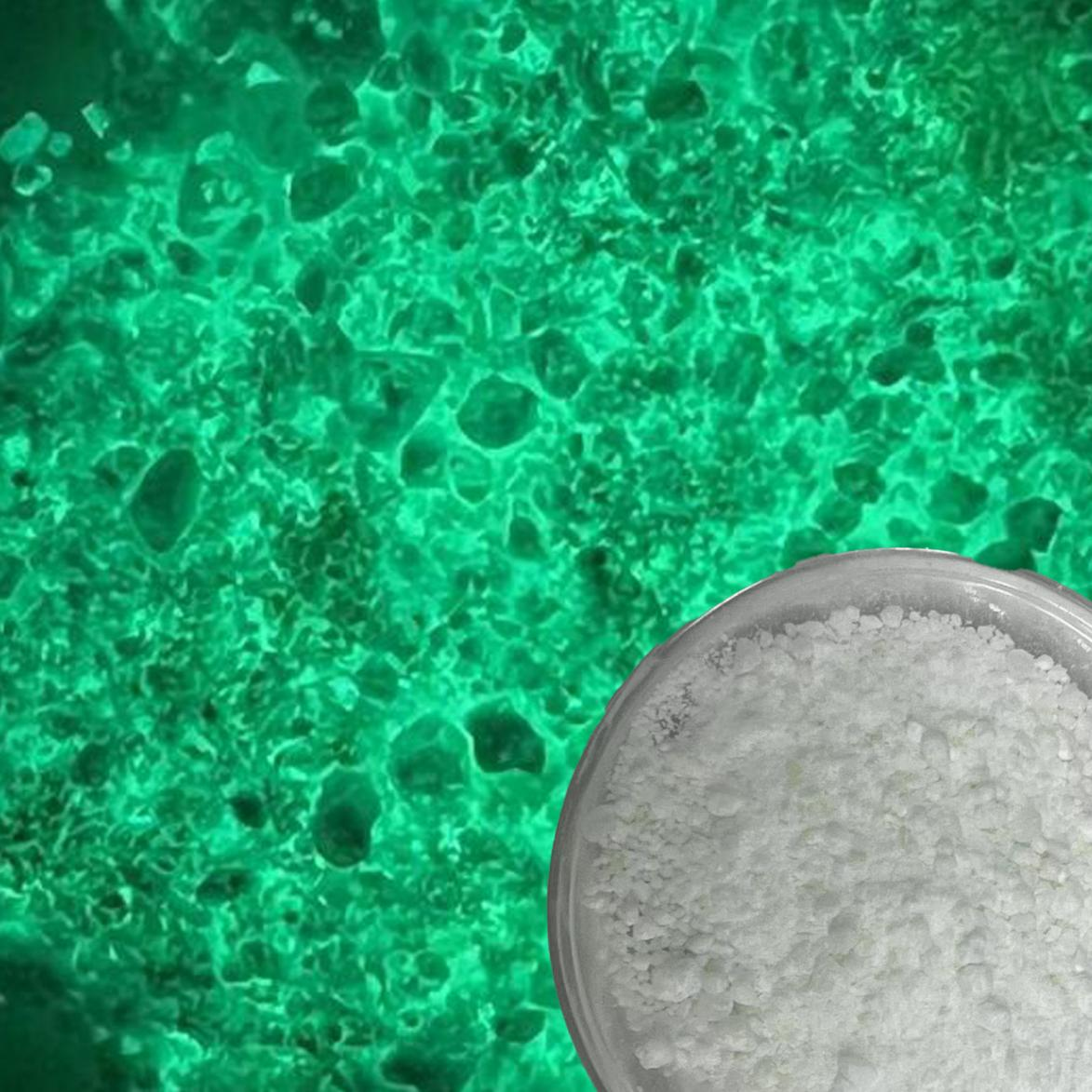
The evolution of road marking paint continues to reshape how we approach safety on highways and urban streets. Traditional road marking paint has served essential functions for decades, but the industry is now witnessing a significant transformation driven by glow-in-the-dark innovations. Modern road marking paint formulations incorporate photoluminescent technologies that enhance visibility during low-light conditions, reducing accidents and improving driver confidence. This shift represents more than a cosmetic upgrade; it reflects a fundamental change in how municipalities and transportation agencies prioritize visibility and safety. The development of road marking paint with luminescent properties addresses a critical gap in nighttime driving conditions where standard reflective paints reach their limitations.

The advancement of road marking paint technology stems from growing recognition that visibility failures contribute significantly to nighttime traffic incidents. Municipalities investing in glow-in-the-dark road marking paint solutions report measurable improvements in accident reduction and driver awareness. As environmental regulations tighten and performance standards evolve, the road marking paint industry continues to innovate, delivering products that meet safety demands while maintaining durability and cost-effectiveness. Understanding these emerging trends helps decision-makers select appropriate solutions for their specific infrastructure needs.
The Science Behind Modern Road Marking Paint Innovation
How Photoluminescent Technology Transforms Road Marking Paint
Photoluminescent road marking paint operates through a straightforward but sophisticated mechanism. During daylight hours, luminescent pigments embedded in the road marking paint absorb solar energy and store it within their crystalline structure. When darkness falls, these stored energy reserves are released as visible light, creating a self-illuminating effect that requires no external power source. This characteristic makes road marking paint with photoluminescent properties exceptionally practical for highway applications where infrastructure limitations might restrict traditional lighting installations. The road marking paint formulation must balance pigment concentration, binder compatibility, and surface adhesion to maximize both brightness and longevity.
Durability and Environmental Resistance in Contemporary Road Marking Paint
Modern road marking paint formulations must withstand extreme environmental stress while maintaining consistent performance. High-quality road marking paint experiences constant exposure to vehicular traffic, temperature fluctuations, moisture infiltration, and UV degradation. Contemporary developments in road marking paint chemistry focus on enhanced binder systems that protect luminescent particles from oxidation and moisture damage. Advanced road marking paint products now incorporate hydrophobic additives and protective coatings that extend service life significantly compared to earlier generations. The durability improvements in road marking paint translate directly to reduced maintenance costs and longer intervals between reapplication cycles, making these solutions economically attractive to transportation departments.
Current Market Trends Shaping Road Marking Paint Development
Increased Adoption of Glow-in-the-Dark Road Marking Paint Solutions
Transportation agencies worldwide are accelerating their implementation of glow-in-the-dark road marking paint systems. This trend reflects both improved product performance and heightened awareness of safety benefits associated with enhanced visibility. Urban centers, highway corridors, and rural intersections increasingly feature road marking paint with luminescent properties to reduce accident rates during nighttime hours. The growing adoption of road marking paint innovations is driven by documented safety improvements, with studies showing measurable reductions in collision frequency where glow-in-the-dark road marking paint is deployed. Investment in road marking paint technology has become a standard component of modern traffic safety infrastructure planning.
Integration of Smart Technology and Adaptive Road Marking Paint Systems
Emerging trends in road marking paint development now extend beyond static glow-in-the-dark properties. Researchers are exploring responsive road marking paint systems that can adapt to traffic conditions, weather changes, and emergency situations. Some experimental road marking paint formulations incorporate thermochromic or photochromic additives that modify visibility characteristics based on ambient conditions. These advanced road marking paint solutions represent the frontier of traffic safety innovation, though widespread adoption still requires standardization, regulatory approval, and cost-benefit validation. The next generation of road marking paint technology will likely combine photoluminescence with dynamic responsiveness, creating intelligent infrastructure that actively enhances driver safety.
Practical Applications and Future Outlook for Road Marking Paint
Sector-Specific Benefits of Advanced Road Marking Paint Solutions
Different transportation environments benefit uniquely from glow-in-the-dark road marking paint applications. Highway systems experience particularly significant safety improvements because nighttime driving speeds remain high despite reduced visibility. Urban intersections utilize road marking paint innovations to guide traffic flow more intuitively during evening hours. Parking facilities and private roads implement road marking paint solutions to prevent accidents and enhance facility aesthetics simultaneously. Rural areas with limited street lighting infrastructure depend heavily on road marking paint technologies to ensure basic visibility compliance. Each application context requires specific road marking paint formulation considerations regarding brightness intensity, durability expectations, and installation methodology.
Regulatory Evolution and Standards for Road Marking Paint Products
Government agencies and international standards bodies are establishing increasingly specific requirements for road marking paint performance and safety characteristics. These regulatory developments drive product innovation by establishing measurable benchmarks that road marking paint manufacturers must meet. Standards addressing luminescence intensity, durability, weather resistance, and color consistency continue to evolve as the road marking paint industry matures. Compliance with emerging regulations ensures that road marking paint products deliver consistent performance regardless of installation location or climate conditions. The standardization of road marking paint specifications facilitates broader adoption and creates competitive markets where product quality becomes the primary differentiator.
FAQ
How long does glow-in-the-dark road marking paint remain visible at night?
Quality glow-in-the-dark road marking paint typically maintains visible luminescence for 8 to 12 hours following sunset, depending on pigment concentration and prior solar exposure. The brightness gradually diminishes as stored energy depletes, with most road marking paint reaching minimal visibility levels after approximately 10 hours of darkness. Weather conditions and seasonal variations affect photon charging efficiency, meaning road marking paint may perform differently across geographic regions and seasons. Manufacturers specify expected performance parameters for their road marking paint products under standard testing conditions, providing guidance for infrastructure planners.
Can standard road marking paint be converted to glow-in-the-dark formulations?
Converting existing road marking paint systems to glow-in-the-dark applications requires professional reformulation rather than simple additive modification. Standard road marking paint chemistry differs significantly from photoluminescent road marking paint in binder selection, pigment compatibility, and application methodology. While some specialized additives can enhance certain road marking paint products, genuine glow-in-the-dark performance requires engineered road marking paint formulations developed specifically for luminescent functionality. Professional road marking paint suppliers possess the technical expertise and quality control systems necessary to produce reliable glow-in-the-dark solutions.
What environmental factors affect the performance of road marking paint?
Road marking paint performance varies significantly based on climate conditions, geographic location, and seasonal patterns. Humidity and moisture reduce the effectiveness of luminescent road marking paint by interfering with photon emission mechanisms. Extreme temperature fluctuations can compromise the integrity of road marking paint formulations, particularly the protective coatings surrounding photoluminescent particles. Air pollution and atmospheric contamination gradually degrade visible road marking paint brightness over time. Understanding these environmental factors helps transportation planners select road marking paint products with appropriate durability ratings and maintenance schedules for their specific locations.