EN



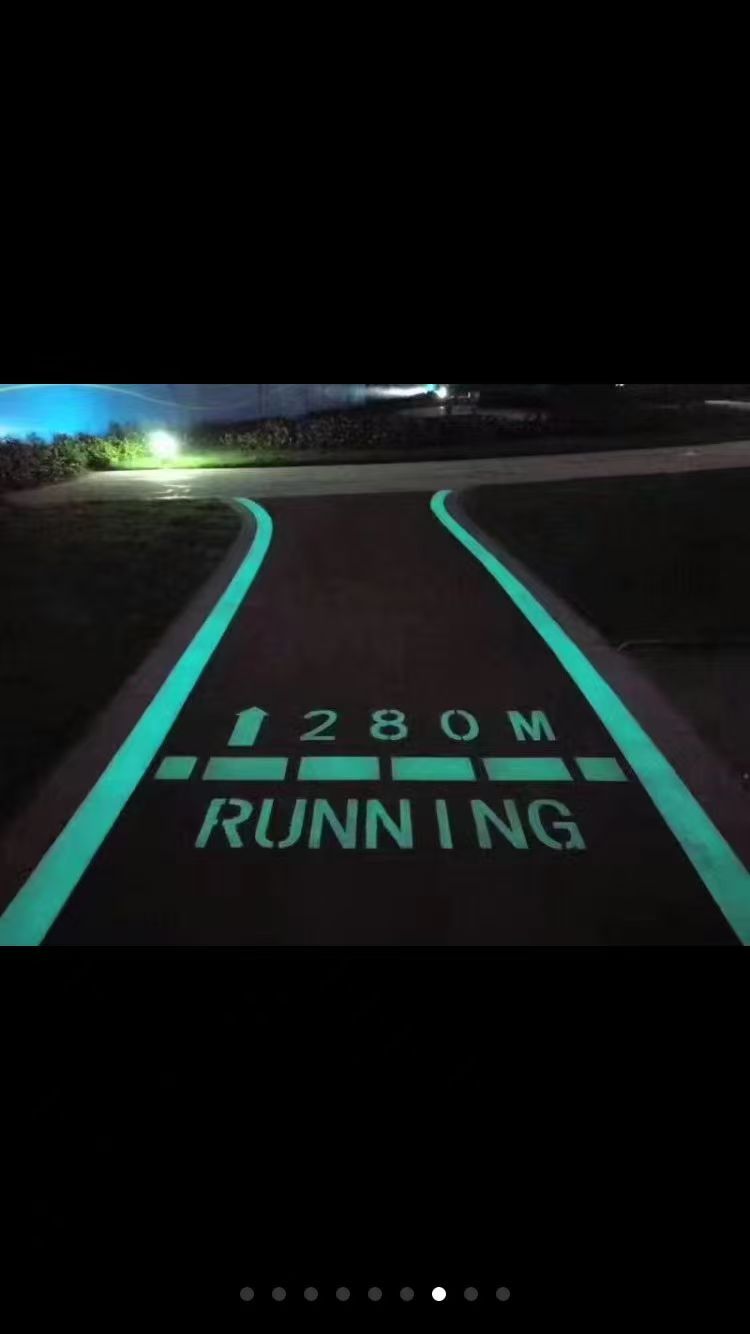
The night sky transforms ordinary streets into pathways of safety when road marking paint glows with an ethereal light. Every driver who navigates dark roads benefits from the science embedded in these luminous materials. Understanding how road marking paint achieves its mesmerizing glow reveals a sophisticated blend of chemistry, physics, and industrial engineering designed specifically to enhance visibility and reduce accidents. The technology behind road marking paint has evolved dramatically over decades, creating safer transportation networks worldwide.

Road marking paint represents a critical innovation in traffic safety infrastructure. When daylight fades, conventional paint becomes nearly invisible, creating dangerous driving conditions. The development of road marking paint with photoluminescent properties transformed this challenge into an opportunity for enhanced safety. These specialized formulations absorb light energy during the day and emit it during darkness, creating visible boundaries that guide drivers without requiring external power sources or maintenance.
The Science of Photoluminescent Materials in Road Marking Paint
Understanding Photoluminescence Mechanisms
Photoluminescent road marking paint operates through a well-understood scientific principle where materials absorb photons and re-emit light over time. The core mechanism involves electron transitions within specially designed molecules called phosphors. When road marking paint contains photoluminescent pigments, these particles absorb visible light or ultraviolet radiation during daylight hours. The absorbed energy excites electrons to higher energy states, and when these electrons return to their ground state, they release that energy as visible light. This process continues for hours after sunset, making road marking paint an autonomous lighting solution.
Pigment Composition and Selection
The pigments used in road marking paint determine both performance and duration of luminescence. Modern road marking paint typically incorporates strontium aluminate or alkaline earth aluminates as primary phosphorescent components. These materials replaced older zinc sulfide formulations because they offer superior brightness, longer afterglow duration, and greater environmental stability. When manufacturers formulate road marking paint, they carefully balance pigment concentration, particle size, and binder chemistry to optimize light absorption and emission. The specific composition of road marking paint directly influences how brightly it glows and how long the luminescence persists after dark.
Manufacturing and Application Techniques for Road Marking Paint
Production Process and Quality Control
Creating effective road marking paint requires precise manufacturing protocols that ensure consistent photoluminescent performance. The production process begins with synthesizing or sourcing high-purity phosphorescent pigments, which are then suspended in specially formulated binders. Road marking paint manufacturers must carefully control particle size distribution, as uniformity directly affects light emission characteristics. Quality control procedures for road marking paint include light absorption testing, glow duration measurement, and chromaticity validation. The manufacturing environment must be controlled to prevent moisture contamination, which degrades the photoluminescent properties of road marking paint.
Application Methods and Surface Preparation
Proper application of road marking paint is essential for achieving maximum performance and durability. Surface preparation involves cleaning asphalt or concrete to remove dirt, moisture, and contaminants that could interfere with adhesion. Road marking paint can be applied using spray equipment, roller application, or thermoplastic methods depending on project requirements. The thickness of applied road marking paint significantly affects its luminescent intensity and lifespan. Professional installation ensures that road marking paint bonds securely to the road surface, withstands traffic wear, and maintains consistent visibility throughout its service life.
Performance Characteristics and Real-World Applications of Road Marking Paint
Brightness Standards and Visibility Metrics
Road marking paint performance is measured through standardized brightness coefficients and visibility ranges that ensure safety compliance. The luminous intensity of road marking paint is typically quantified in candelas per square meter, with effective products maintaining brightness levels visible from 100 meters or more in complete darkness. International standards specify minimum performance thresholds for road marking paint used in various applications, from residential streets to high-speed highways. Testing protocols for road marking paint include measurement of initial brightness immediately after charging, as well as retention rates over extended periods. Modern road marking paint formulations can maintain 30 to 50 percent of peak brightness eight to twelve hours after sunset, providing extended visibility windows for nighttime drivers.
Industry Applications and Safety Impact
Road marking paint with photoluminescent properties is deployed across diverse transportation environments where safety and visibility are paramount. Highways and major arterial routes benefit significantly from road marking paint installations that reduce nighttime accidents and improve driver awareness. Parking facilities, airport runways, and pedestrian pathways all utilize road marking paint to guide traffic and enhance emergency evacuation routes. Studies demonstrate that road marking paint installations correlate with measurable reductions in nighttime collision rates and improved traffic flow efficiency. The versatility of road marking paint extends to construction zones, industrial sites, and emergency response areas where temporary or permanent luminous guidance is needed.
Durability, Maintenance, and Environmental Considerations for Road Marking Paint
Longevity and Weathering Resistance
Road marking paint must withstand harsh environmental conditions while maintaining photoluminescent performance over years of service. UV exposure, temperature fluctuations, moisture infiltration, and traffic abrasion all challenge the durability of road marking paint. Modern formulations incorporate protective coatings and weather-resistant binders that shield phosphorescent pigments from degradation. The expected service life of road marking paint ranges from three to seven years depending on traffic volume, climate conditions, and UV intensity. Properly installed road marking paint with protective top coats can achieve longevity at the upper range, providing extended value and safety benefits before reapplication becomes necessary.
Environmental Safety and Regulatory Compliance
Road marking paint formulations must comply with environmental regulations and safety standards established by transportation authorities and environmental agencies. Contemporary road marking paint avoids toxic heavy metals that characterized earlier phosphorescent formulations, focusing instead on earth-abundant materials that minimize ecological impact. Water-based road marking paint options have emerged to reduce volatile organic compound emissions during application. The disposal and lifecycle management of road marking paint waste requires adherence to local regulations, though modern alkaline aluminate pigments present minimal environmental persistence concerns. road marking paint manufacturers increasingly prioritize sustainable sourcing, reduced packaging waste, and recyclable component materials as part of corporate environmental responsibility initiatives.
FAQ
How long does road marking paint glow after sunset?
Road marking paint typically glows for eight to twelve hours after sunset, depending on pigment quality and the amount of daylight exposure received. High-quality road marking paint formulations maintain visible brightness for this extended period, though intensity gradually diminishes. The initial brightness immediately after dark is highest, progressively fading as stored light energy depletes. Factors like cloud cover, season, and latitude affect the charging time, which influences how long road marking paint remains visible.
What is the difference between road marking paint and reflective paint?
Road marking paint emits its own light through photoluminescence, while reflective paint redirects light from external sources like vehicle headlights. Road marking paint provides autonomous lighting without requiring active illumination, making it effective during power outages or when approaching vehicles haven't reached the marked area. Reflective road marking paint works instantly regardless of prior light exposure but depends on active light sources. Many installations combine both technologies, using road marking paint for autonomous visibility plus reflective elements for active light interaction.
Is road marking paint cost-effective compared to traditional lighting?
Road marking paint offers significant cost advantages over traditional street lighting infrastructure. The elimination of electrical installation, power consumption, and ongoing maintenance represents substantial savings for municipalities and transportation authorities. Road marking paint requires no external energy source, reducing operational expenses throughout its lifespan. While initial material and installation costs for road marking paint are comparable to conventional paint, the absence of recurring utility costs and maintenance overhead makes it economically superior for long-term applications.