EN
EN



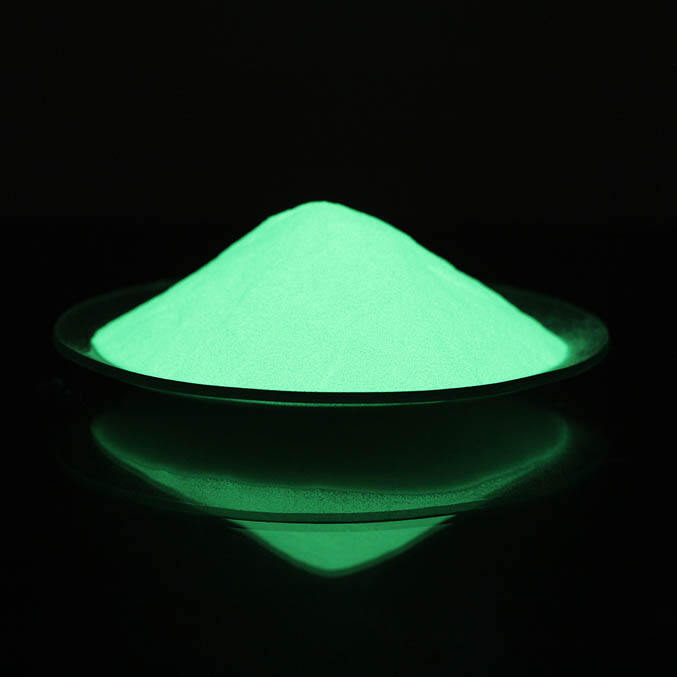
Sustainable design practices have become essential in modern architecture and product development, with energy efficiency standing as a primary concern for environmentally conscious professionals. The integration of luminous powder technology represents a revolutionary approach to reducing energy consumption while maintaining functional lighting capabilities across diverse applications. This photoluminescent material offers designers and engineers innovative solutions that align with green building standards and sustainability objectives.
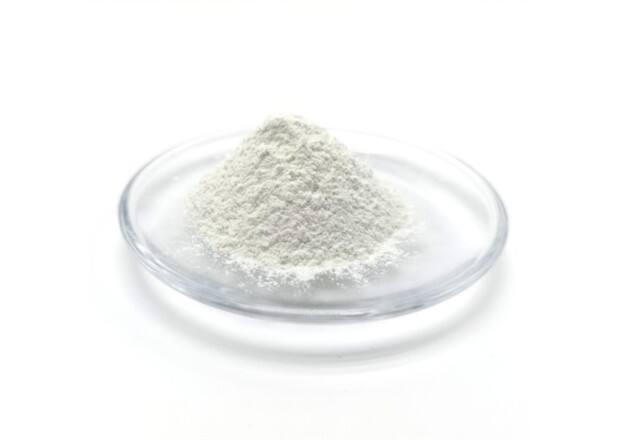
The strategic implementation of luminous powder in contemporary design projects addresses critical energy challenges while providing aesthetic enhancement and functional benefits. By absorbing ambient or artificial light during daytime hours and releasing stored energy as visible illumination during darkness, this phosphorescent technology enables designers to create self-sustaining lighting systems that operate without electrical power consumption. Understanding the specific role that luminous powder plays in sustainable design strategies empowers professionals to make informed decisions about incorporating this technology into their energy-saving initiatives.
Energy Conservation Mechanisms Through Photoluminescent Technology
Light Absorption and Energy Storage Properties
The fundamental energy-saving capability of luminous powder stems from its unique photoluminescent properties that enable efficient light capture and storage without requiring external power sources. When exposed to natural daylight or artificial illumination, the phosphorescent particles within luminous powder absorb photons and store this energy in their crystalline structure. This passive charging process occurs continuously during daylight hours, creating an energy reservoir that can provide illumination for extended periods after the light source is removed.
The efficiency of energy storage in high-quality luminous powder formulations allows for optimal utilization of available ambient light, including brief exposure periods and low-intensity lighting conditions. Advanced strontium aluminate-based luminous powder compounds demonstrate superior energy absorption rates compared to traditional zinc sulfide alternatives, enabling more effective energy conservation in practical applications. This enhanced performance translates directly into reduced reliance on conventional electrical lighting systems and corresponding decreases in overall energy consumption.
Professional architects and designers leverage these energy storage characteristics to create lighting solutions that maintain functionality during power outages or in remote locations where electrical infrastructure is limited. The ability of luminous powder to function independently of electrical networks makes it an invaluable component in emergency lighting systems, wayfinding applications, and off-grid design projects that prioritize energy self-sufficiency.
Passive Illumination Systems and Reduced Electrical Demand
The implementation of luminous powder-based illumination systems significantly reduces electrical demand in both residential and commercial applications by providing functional lighting without continuous power consumption. Unlike conventional LED or fluorescent lighting systems that require constant electrical input, photoluminescent materials operate on stored energy principles that eliminate ongoing electricity requirements. This fundamental difference enables designers to incorporate effective lighting solutions while minimizing the overall energy footprint of their projects.
Strategic placement of luminous powder applications in high-traffic areas, exit routes, and safety-critical zones creates comprehensive lighting networks that function autonomously during evening hours and emergency situations. The gradual release of stored light energy provides sustained illumination that can last between eight to twelve hours depending on the charging duration and powder quality, effectively covering typical nighttime periods without electrical intervention.
Building operators and facility managers report measurable reductions in electricity costs when photoluminescent systems supplement or replace conventional emergency lighting installations. The absence of bulb replacement requirements, maintenance schedules, and electrical monitoring further contributes to long-term operational savings while supporting sustainable building management practices.
Integration Strategies in Sustainable Architecture and Design
Architectural Applications for Energy-Efficient Buildings
Modern sustainable architecture increasingly incorporates luminous powder technology into structural elements and design features that enhance both aesthetic appeal and energy performance. Architects integrate photoluminescent materials into flooring systems, wall panels, and ceiling applications to create ambient lighting effects that reduce dependence on traditional electrical fixtures. These installations provide subtle illumination that guides occupant movement while contributing to the overall energy efficiency goals of green building certifications.
The versatility of luminous powder allows for creative integration into various construction materials including concrete, ceramics, glass, and polymer composites. This flexibility enables architects to develop innovative design solutions that incorporate energy-saving lighting directly into the building fabric rather than relying on external fixtures. Such integrated approaches align with sustainable design principles by reducing material complexity and eliminating the need for separate lighting infrastructure in many applications.
LEED-certified projects and other green building initiatives frequently utilize luminous powder applications to achieve points in energy efficiency and innovation categories. The dual functionality of providing both decorative elements and practical illumination makes photoluminescent materials particularly valuable for meeting multiple sustainable design objectives within single installations.
Product Design and Manufacturing Integration
Industrial designers and manufacturers increasingly recognize the value of incorporating luminous powder into consumer products and commercial equipment to enhance functionality while supporting energy conservation objectives. The integration of photoluminescent materials into product surfaces eliminates the need for battery-powered or plug-in illumination systems in numerous applications. This approach reduces both manufacturing complexity and long-term energy consumption associated with product operation.
Manufacturing processes can incorporate luminous powder through various methods including direct mixing, surface coating, and embedded integration techniques that maintain product durability while providing sustained glow characteristics. The compatibility of high-quality luminous powder formulations with standard manufacturing equipment and processes enables cost-effective production scaling without requiring specialized facilities or additional energy-intensive processing steps.
Consumer electronics, safety equipment, automotive components, and recreational products benefit from luminous powder integration by offering enhanced user experience without increasing power requirements. This technology enables manufacturers to differentiate their products while supporting environmental responsibility initiatives that appeal to sustainability-conscious consumers and business purchasers.
Environmental Impact and Sustainability Benefits
Carbon Footprint Reduction Through Eliminated Electricity Consumption
The environmental impact advantages of luminous powder technology extend beyond immediate energy savings to encompass significant carbon footprint reductions across the entire lifecycle of lighting applications. By eliminating the need for continuous electricity generation to power traditional lighting systems, photoluminescent materials directly reduce greenhouse gas emissions associated with fossil fuel-based power generation. This reduction becomes particularly significant in large-scale installations where conventional lighting systems would otherwise consume substantial amounts of electricity throughout their operational lifespan.
Life cycle assessment studies demonstrate that luminous powder applications generate substantially lower carbon emissions compared to equivalent electrical lighting systems when accounting for manufacturing, transportation, installation, and operational phases. The absence of ongoing electricity requirements means that photoluminescent systems maintain their environmental advantage throughout decades of service without contributing to grid-based energy demand or associated emissions.
Organizations implementing luminous powder solutions report measurable progress toward carbon neutrality goals and environmental sustainability targets. The cumulative effect of multiple photoluminescent installations can result in significant reductions in overall facility energy consumption, supporting corporate environmental responsibility initiatives and regulatory compliance requirements for emissions reductions.
Waste Reduction and Material Longevity
The durability characteristics of quality luminous powder formulations contribute to waste reduction objectives by eliminating the need for frequent replacement cycles associated with conventional lighting components. Unlike electric bulbs, LED modules, or battery-powered devices that require regular replacement, properly applied luminous powder maintains its photoluminescent properties for decades without degradation or performance loss. This longevity translates directly into reduced waste generation and lower material consumption over the operational lifetime of installations.
The chemical stability of modern strontium aluminate-based luminous powder ensures consistent performance without generating toxic byproducts or requiring hazardous waste disposal procedures. This environmental compatibility makes photoluminescent materials suitable for applications in sensitive environments where traditional lighting technologies might pose contamination risks or disposal challenges.
Maintenance-free operation characteristics eliminate the ongoing waste streams associated with bulb replacement, electrical component servicing, and periodic system upgrades that typically accompany conventional lighting installations. This reduction in maintenance-related waste contributes to overall sustainability objectives while reducing long-term operational costs and resource consumption.
Performance Optimization and Design Considerations
Application-Specific Performance Characteristics
Successful implementation of luminous powder in energy-saving designs requires careful consideration of application-specific performance requirements including illumination intensity, duration, charging conditions, and environmental factors. Different grades and formulations of luminous powder offer varying performance characteristics that must be matched to intended applications to achieve optimal energy-saving results. High-performance photoluminescent materials provide stronger initial brightness and longer glow duration, making them suitable for critical safety applications and primary illumination needs.
The charging efficiency of luminous powder depends on exposure time, light intensity, and spectral characteristics of the charging source, requiring designers to consider available light conditions when planning installations. Natural daylight provides excellent charging capability, while artificial lighting sources vary in effectiveness depending on their spectral output and intensity levels. Understanding these relationships enables designers to optimize placement and application methods for maximum energy storage and utilization.
Environmental conditions including temperature, humidity, and exposure to chemicals can influence the long-term performance of luminous powder applications. Professional-grade formulations demonstrate superior resistance to environmental degradation while maintaining consistent photoluminescent properties across diverse operating conditions, ensuring reliable performance in challenging applications.
Integration Methods and Technical Implementation
The technical implementation of luminous powder in sustainable design projects involves various integration methods that must be selected based on substrate materials, application requirements, and performance objectives. Surface coating techniques provide effective photoluminescent coverage for existing surfaces while maintaining substrate integrity and appearance. Mixing applications incorporate luminous powder directly into base materials during manufacturing, creating homogeneous photoluminescent properties throughout the entire material volume.
Proper surface preparation and application procedures ensure optimal adhesion and performance characteristics for coated applications, while mixing ratios and processing parameters require careful control for embedded installations. Technical specifications for luminous powder applications must account for particle size distribution, concentration levels, and compatibility with base materials to achieve desired performance outcomes.
Quality control procedures during implementation help ensure consistent performance across large installations and verify that energy-saving objectives will be achieved as designed. Professional installation practices and testing protocols validate the effectiveness of luminous powder applications before final project completion.
FAQ
How long does luminous powder continue glowing after charging, and does this affect its energy-saving potential?
High-quality luminous powder typically provides visible illumination for 8-12 hours after a full charge from daylight or artificial light exposure, with the brightest output occurring in the first few hours after charging. This duration directly supports energy-saving objectives by covering typical nighttime periods without requiring electrical power, making it highly effective for applications like emergency lighting, wayfinding, and ambient illumination in low-traffic areas during evening hours.
Can luminous powder be integrated into existing building materials without compromising structural integrity?
Yes, luminous powder can be successfully integrated into various building materials including concrete, polymers, ceramics, and coatings without affecting structural properties when proper mixing ratios and application methods are followed. The photoluminescent particles are chemically inert and do not interfere with material bonding or curing processes, allowing architects and engineers to incorporate energy-saving illumination directly into construction materials while maintaining all required performance standards.
What maintenance requirements are associated with luminous powder installations in sustainable design projects?
Luminous powder installations require virtually no maintenance once properly applied, as the photoluminescent materials do not degrade or lose effectiveness over time under normal operating conditions. Unlike conventional lighting systems that require bulb replacements, electrical maintenance, and periodic servicing, luminous powder continues providing energy-saving illumination for decades without intervention, contributing significantly to the long-term sustainability and cost-effectiveness of green building designs.
How does the energy-saving performance of luminous powder compare to LED lighting systems?
While LED systems are highly energy-efficient, luminous powder provides zero ongoing electricity consumption after installation, making it superior for energy conservation in applications where continuous illumination is not required. Luminous powder works best as a complement to LED systems rather than a replacement, providing emergency lighting, accent illumination, and wayfinding capabilities that reduce overall electrical demand while maintaining essential lighting functionality in sustainable design projects.
Table of Contents
- Energy Conservation Mechanisms Through Photoluminescent Technology
- Integration Strategies in Sustainable Architecture and Design
- Environmental Impact and Sustainability Benefits
- Performance Optimization and Design Considerations
-
FAQ
- How long does luminous powder continue glowing after charging, and does this affect its energy-saving potential?
- Can luminous powder be integrated into existing building materials without compromising structural integrity?
- What maintenance requirements are associated with luminous powder installations in sustainable design projects?
- How does the energy-saving performance of luminous powder compare to LED lighting systems?