EN
EN



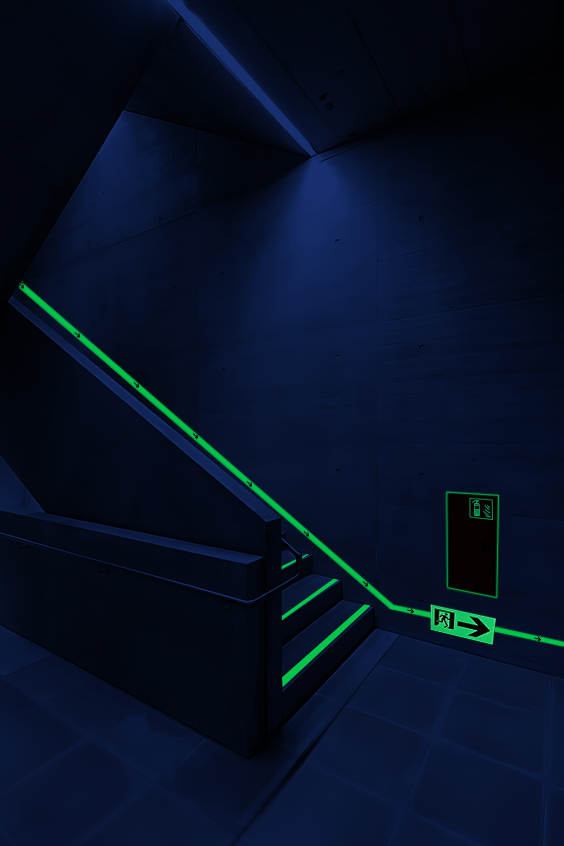
Determining the correct quantity of luminous powder for your specific project requires careful consideration of multiple factors including application type, coverage area, desired glow intensity, and substrate material. Whether you're creating glow-in-the-dark paint, safety signage, decorative elements, or industrial markers, understanding the fundamental principles of luminous powder calculation ensures optimal results while avoiding waste and unnecessary costs.
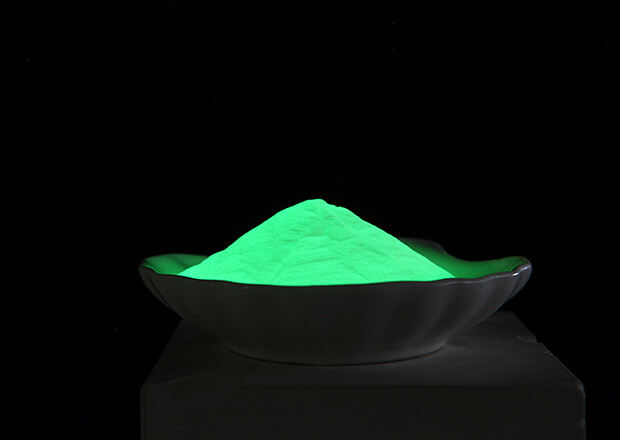
The concentration of luminous powder in your final product directly impacts both the brightness and duration of phosphorescence. Professional applications typically require precise measurements to meet safety standards and performance specifications. Amateur crafters and DIY enthusiasts also benefit from understanding these calculations to achieve consistent, predictable results across different projects.
Understanding Luminous Powder Concentration Ratios
Basic Mixing Ratios for Different Applications
Standard luminous powder concentrations vary significantly depending on the intended use and desired effect. For general decorative purposes, a concentration of 10-20% luminous powder by weight typically provides adequate glow intensity. This ratio works well for craft projects, novelty items, and basic signage where moderate visibility is sufficient.
Industrial and safety applications require higher concentrations, often ranging from 25-40% luminous powder content. Emergency exit signs, safety markings, and navigation aids need maximum brightness and extended glow duration to function effectively in critical situations. These higher ratios ensure compliance with safety regulations and provide reliable performance when needed most.
Calculating Weight-Based Mixing Ratios
Weight-based calculations provide the most accurate method for determining luminous powder quantities. To calculate the required amount, first determine your total project volume in grams or ounces. Multiply this total by your desired concentration percentage to find the exact weight of luminous powder needed.
For example, if you're creating 100 grams of glow paint with a 20% concentration, you'll need 20 grams of luminous powder mixed with 80 grams of base medium. This method ensures consistent results and allows for easy scaling up or down based on project requirements. Always account for potential waste and mixing losses by adding 5-10% extra material to your calculations.
Substrate and Surface Area Considerations
Coverage Calculations for Different Surfaces
Surface area calculations form the foundation of accurate luminous powder quantity determination. Smooth surfaces like glass, metal, or primed wood require less material per square foot compared to porous or textured substrates. Generally, one ounce of properly mixed luminous powder paint covers approximately 15-20 square feet on smooth surfaces with standard application thickness.
Textured surfaces, concrete, and unprimed wood can absorb significantly more material, reducing coverage to 10-15 square feet per ounce. Factor in surface porosity when calculating total material needs, and consider applying a primer or base coat to improve coverage efficiency and enhance the final glow effect.
Application Method Impact on Material Requirements
Different application techniques require varying amounts of luminous powder mixture. Brush application typically uses 20-30% more material than spray application due to brush texture and overlapping strokes. Roller application falls between these two methods in terms of material efficiency.
Screen printing and stenciling offer the most precise control over luminous powder usage, allowing for exact placement and minimal waste. These methods work particularly well for repeated patterns or commercial production where consistency and material efficiency are paramount. Consider your chosen application method when calculating total luminous powder requirements.
Environmental Factors Affecting Powder Quantities
Temperature and Humidity Considerations
Environmental conditions during application and curing significantly impact how much luminous powder you'll need for optimal results. High humidity can affect the viscosity of paint-based applications, potentially requiring adjustments to powder concentration to maintain proper consistency and coverage.
Temperature extremes also influence application characteristics and final performance. Cold conditions may require additional luminous powder to compensate for reduced flow properties, while excessive heat can cause premature curing and uneven distribution. Plan for 10-15% additional material when working in challenging environmental conditions.
UV Exposure and Charging Requirements
The charging environment affects how much luminous powder concentration is needed for desired performance. Areas with limited natural or artificial UV exposure may require higher concentrations to achieve visible glow effects. Indoor applications typically need 15-25% more luminous powder compared to outdoor installations with abundant sunlight exposure.
Consider the available charging light sources when determining powder quantities. LED lighting, fluorescent bulbs, and natural sunlight all provide different charging efficiencies, which may necessitate concentration adjustments to ensure adequate phosphorescence duration and intensity.
Project-Specific Calculation Methods
Safety and Emergency Signage Applications
Emergency signage requires precise luminous powder calculations to meet regulatory standards and ensure life-safety performance. Most building codes specify minimum brightness levels and glow duration requirements that directly translate to specific powder concentrations and application thicknesses.
Calculate safety signage requirements by determining the total sign area, required visibility distance, and applicable brightness standards. Typically, emergency exit signs need 30-40% luminous powder concentration with application thickness of 3-4 mils for optimal performance and code compliance.
Decorative and Artistic Project Calculations
Artistic applications offer more flexibility in luminous powder concentration, allowing for creative effects and varied intensity levels. Decorative projects can use lower concentrations (8-15%) for subtle effects or higher ratios (25-35%) for dramatic visual impact.
Consider layering techniques when calculating materials for artistic projects. Multiple thin layers with moderate luminous powder content often produce better results than single thick applications with high concentrations. This approach allows for better color blending and more even glow distribution across complex designs.
Quality Control and Testing Procedures
Sample Testing for Optimal Ratios
Creating test samples with different luminous powder concentrations helps determine optimal ratios before committing to full-scale production. Prepare small batches at 10%, 15%, 20%, and 25% concentrations to evaluate brightness, duration, and visual appeal under actual use conditions.
Document your test results including charging time, peak brightness, and fade characteristics for each concentration level. This data provides valuable reference information for future projects and helps refine your calculation methods based on real-world performance.
Measuring and Monitoring Consistency
Maintaining consistent luminous powder distribution throughout your project requires careful measurement and monitoring techniques. Use digital scales accurate to 0.1 grams for precise powder measurements, and thoroughly mix materials to ensure even distribution before application.
Implement quality checkpoints during application to verify consistent coverage and concentration. Spot-check glow intensity at regular intervals using standardized lighting conditions to identify any variations that might indicate calculation errors or application inconsistencies.
Cost Optimization and Waste Reduction
Efficient Material Usage Strategies
Optimizing luminous powder usage reduces project costs while maintaining performance standards. Calculate exact requirements with minimal excess to avoid waste, but include small safety margins to account for application variables and potential touch-ups.
Consider bulk purchasing for large projects or multiple applications to reduce per-unit costs. Store unused luminous powder in sealed, dry containers to maintain quality for future use. Proper storage extends material life and ensures consistent performance across multiple project phases.
Recycling and Reuse Considerations
Plan for material recovery and reuse when possible to maximize value from your luminous powder investment. Excess mixed materials can often be stored for touch-ups or small projects if properly sealed and labeled with mixing ratios and dates.
Unmixed luminous powder maintains its properties indefinitely when stored correctly, making it ideal for long-term project planning and inventory management. Calculate purchases based on multiple project needs to take advantage of bulk pricing while minimizing long-term storage requirements.
FAQ
How much luminous powder do I need for one gallon of paint
For one gallon of paint, you'll typically need between 1.2 to 3.2 pounds of luminous powder depending on your desired glow intensity. A standard 20% concentration requires approximately 1.6 pounds of luminous powder per gallon of base paint. Higher concentrations up to 40% for safety applications would require up to 3.2 pounds per gallon.
What happens if I use too much luminous powder in my mixture
Using excessive luminous powder can create application problems including poor adhesion, cracking, and uneven coverage. Concentrations above 50% typically result in brittle coatings that may chip or flake over time. Additionally, very high concentrations don't proportionally increase brightness and represent unnecessary material waste and cost.
Can I adjust luminous powder concentration after mixing
Once mixed, you can only reduce luminous powder concentration by adding more base medium, but you cannot increase it without adding more powder. This dilution approach works for small adjustments but may affect other properties like viscosity and coverage. It's best to calculate and measure accurately from the start rather than attempting post-mixing adjustments.
How long does mixed luminous powder paint remain usable
Mixed luminous powder paint maintains its glow properties indefinitely if the base medium remains stable, but application characteristics may change over time. Water-based mixtures typically remain usable for 6-12 months when properly stored, while solvent-based formulations may last 2-3 years. The luminous powder itself doesn't degrade, but binder breakdown can affect application and adhesion properties.