EN
EN



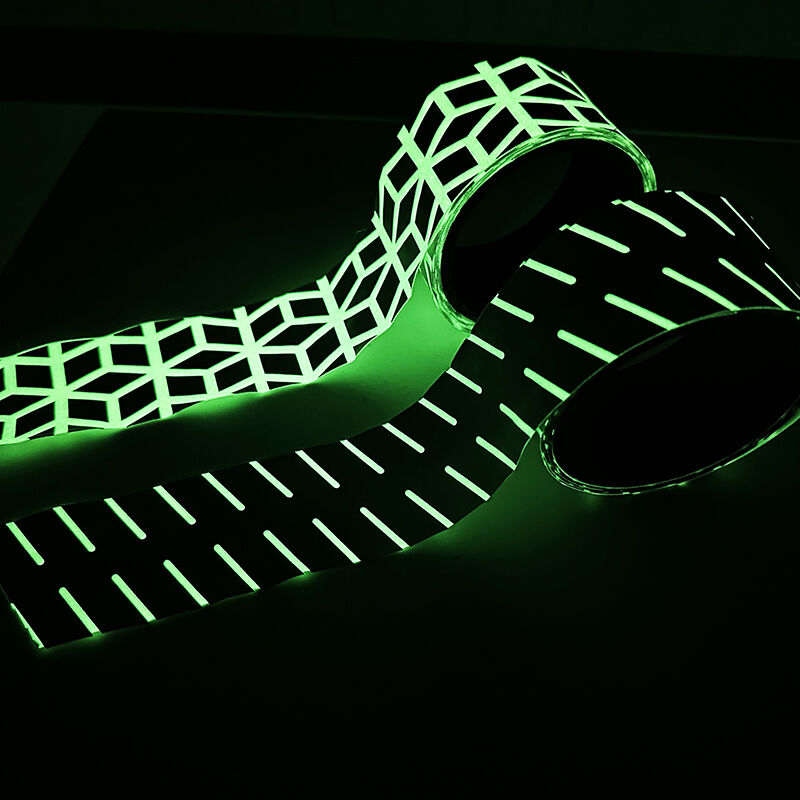
The world of design and manufacturing is constantly evolving, with innovative materials pushing the boundaries of what's possible in creative applications. Among these revolutionary materials, luminous powder stands out as a versatile compound that has transformed industries far beyond its traditional safety applications. This phosphorescent material, capable of absorbing and re-emitting light, offers designers and manufacturers unprecedented opportunities to create products that captivate audiences while serving functional purposes.
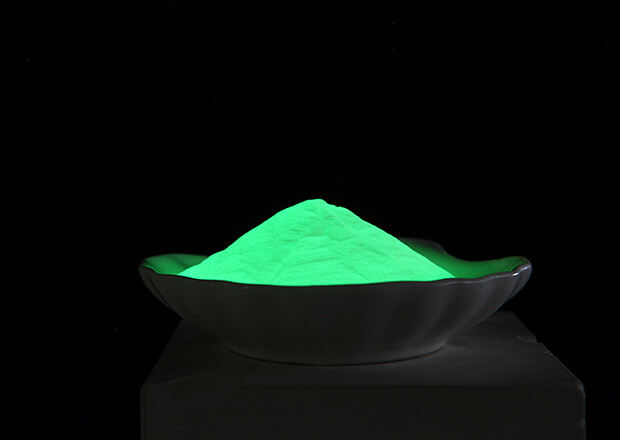
Modern luminous powder technology has advanced significantly from its early incarnations, now featuring enhanced brightness duration, improved color stability, and superior environmental resistance. These improvements have opened new avenues for implementation across diverse sectors, from architectural design to consumer electronics. The material's ability to provide sustainable illumination without electrical power makes it particularly valuable in today's energy-conscious marketplace.
Understanding the full potential of luminous powder requires exploring its unique properties and the innovative ways forward-thinking designers are incorporating it into their projects. This photoluminescent material operates on the principle of energy storage and gradual release, creating opportunities for both aesthetic enhancement and practical functionality in countless applications.
Architectural Applications and Structural Integration
Emergency Wayfinding Systems
Contemporary architecture increasingly relies on luminous powder for creating sophisticated emergency guidance systems that operate independently of electrical infrastructure. These systems integrate seamlessly into building design while providing critical safety functionality during power outages or emergency situations. The material can be embedded into concrete, incorporated into wall panels, or applied as specialized coatings on existing surfaces.
Advanced architectural applications utilize high-grade luminous powder to create continuous pathways that guide occupants toward safety exits without relying on battery-powered emergency lighting. This approach not only reduces maintenance costs but also ensures consistent performance over extended periods. The material's longevity and resistance to environmental factors make it ideal for both interior and exterior architectural elements.
Professional architects are now specifying luminous powder applications for stairwell markings, handrail edges, and floor-level guidance strips that maintain visibility for hours after light exposure. These implementations demonstrate how functional safety requirements can be met while enhancing the overall aesthetic appeal of architectural spaces.
Decorative Landscape Elements
Landscape architecture has embraced luminous powder as a sustainable solution for creating captivating outdoor environments that remain visually engaging after sunset. Garden pathways, decorative stones, and water feature accents incorporate this material to provide gentle illumination that enhances nighttime ambiance without environmental impact. The natural charging cycle allows these elements to absorb sunlight during the day and emit a soft glow throughout the evening hours.
Urban planning initiatives increasingly feature luminous powder applications in public spaces, creating parks and recreational areas that maintain their appeal during extended hours. These installations reduce the need for conventional lighting infrastructure while providing unique visual experiences that distinguish public spaces and encourage community engagement during evening hours.
Commercial landscape designers utilize luminous powder in creative ways, incorporating it into sculptural elements, decorative aggregates, and specialty paving materials. These applications create memorable environments that serve both aesthetic and wayfinding purposes while demonstrating environmental responsibility through reduced energy consumption.
Industrial Manufacturing Innovations
Automotive Component Integration
The automotive industry has discovered numerous applications for luminous powder in both interior and exterior component manufacturing. Interior applications include dashboard indicators, gear shift patterns, and control panel markings that remain visible in low-light conditions without drawing power from the vehicle's electrical system. These implementations enhance driver safety while contributing to overall vehicle efficiency.
Exterior automotive applications utilize luminous powder in specialized paint formulations for emergency vehicle markings, decorative trim elements, and safety features that improve nighttime visibility. Advanced manufacturing processes allow for precise application patterns and consistent color matching across production runs, ensuring quality standards while enabling creative design possibilities.
Aftermarket automotive accessories increasingly incorporate luminous powder for custom applications, including wheel accents, body panel decorations, and interior modification elements. This growing market demonstrates the material's versatility and consumer appeal across diverse automotive segments, from performance vehicles to recreational applications.
Electronics and Consumer Products
Consumer electronics manufacturing has integrated luminous powder into various product categories, creating devices that maintain functionality and aesthetic appeal in low-light environments. Smartphone cases, keyboard backlighting alternatives, and gaming accessories utilize this material to provide ambient illumination without additional power requirements or complex electronic systems.
Wearable technology applications leverage luminous powder for creating watch faces, fitness tracker accents, and jewelry elements that combine traditional craftsmanship with modern functionality. These products appeal to environmentally conscious consumers while offering unique design characteristics that distinguish them in competitive markets.
Home appliance manufacturers incorporate luminous powder into control panels, handles, and indicator elements that enhance usability during nighttime operation. These applications demonstrate practical benefits while adding premium aesthetic features that justify higher product valuations and improve customer satisfaction.
Creative Design and Artistic Applications
Fine Art and Sculpture
Contemporary artists have embraced luminous powder as a medium for creating dynamic artworks that transform throughout the day-night cycle. Sculptural installations incorporate this material to create pieces that reveal different characteristics as ambient lighting conditions change, offering viewers multiple interpretive experiences from a single artwork. The material's properties enable artists to explore themes of time, energy, and transformation in ways previously impossible with traditional media.
Gallery installations featuring luminous powder create immersive environments that challenge conventional exhibition formats. These works often require specific viewing schedules that allow audiences to experience both charged and discharged states, adding temporal elements to artistic expression. The material's scientific properties become integral to the artistic concept, bridging disciplines and expanding creative possibilities.
Public art projects utilizing luminous powder create community landmarks that maintain visual impact across extended hours. These installations often incorporate interactive elements that allow public participation in the charging process, creating educational opportunities while fostering community engagement with both art and science.
Interior Design Innovation
Interior designers increasingly specify luminous powder applications for creating ambient lighting solutions that enhance spatial experiences without conventional electrical requirements. Wall treatments, ceiling installations, and decorative elements incorporate this material to provide subtle illumination that complements existing lighting schemes while offering emergency functionality.
Residential applications include luminous powder integration in flooring materials, bathroom fixtures, and bedroom accents that create relaxing environments while maintaining safety considerations. These implementations appeal to homeowners seeking unique design elements that combine aesthetic appeal with practical functionality.
Commercial interior projects utilize luminous powder for creating memorable environments in restaurants, hotels, and retail spaces. These applications enhance brand identity while providing practical benefits that reduce operational costs and demonstrate environmental responsibility to customers.
Textile and Fashion Industry Applications
Performance Apparel Development
The textile industry has developed innovative methods for incorporating luminous powder into fabric manufacturing processes, creating performance apparel that enhances safety and visibility for workers in various industries. These applications include emergency response uniforms, construction workwear, and athletic clothing designed for outdoor activities during dawn or dusk hours.
Technical textile applications utilize luminous powder in specialized fabric treatments that maintain effectiveness through multiple wash cycles. Advanced application techniques ensure even distribution and durability while preserving the fabric's primary performance characteristics such as breathability, moisture management, and thermal regulation.
Safety equipment manufacturers integrate luminous powder into protective gear, creating products that provide enhanced visibility without compromising protection levels. These applications demonstrate how traditional safety equipment can be enhanced through innovative material science while maintaining regulatory compliance and performance standards.
Fashion and Accessory Design
Fashion designers have discovered creative applications for luminous powder in haute couture and ready-to-wear collections, creating garments that transform from day to evening wear through their photoluminescent properties. These applications range from subtle accent elements to bold statement pieces that challenge conventional fashion design boundaries.
Accessory designers incorporate luminous powder into jewelry, handbags, and footwear, creating products that offer unique visual experiences while maintaining practical functionality. These applications often target niche markets interested in innovative design elements that combine technology with traditional craftsmanship.
Costume design for entertainment industries utilizes luminous powder for creating theatrical elements that enhance performance without requiring complex electrical systems. These applications demonstrate the material's versatility across diverse creative applications while maintaining practical considerations for performers and production teams.
Marine and Aerospace Applications
Maritime Safety Enhancement
Maritime industries have adopted luminous powder for various safety and navigation applications that function reliably in challenging marine environments. Life safety equipment incorporating this material provides extended visibility periods that can prove critical during emergency situations when conventional lighting systems may be compromised.
Vessel marking applications utilize luminous powder in specialized marine paints and coatings that enhance nighttime visibility while withstanding harsh saltwater environments. These applications contribute to navigation safety while reducing dependence on electrical systems that may be vulnerable to marine conditions.
Underwater applications explore luminous powder integration in diving equipment, marine research tools, and underwater construction markers. These specialized implementations require careful material selection and application techniques to ensure performance in submerged conditions while maintaining environmental safety standards.
Aerospace Industry Integration
Aerospace applications for luminous powder focus on emergency systems and component identification that must function reliably in extreme conditions. Aircraft interior applications include emergency exit markings, evacuation pathway indicators, and safety equipment identification that remains visible during power loss situations.
Ground support equipment utilizes luminous powder for creating visual references that enhance safety during nighttime operations. These applications reduce dependence on portable lighting while providing consistent visibility markers that improve operational efficiency and safety protocols.
Space exploration applications investigate luminous powder potential for creating visual references in zero-gravity environments where conventional lighting systems may be impractical. These advanced applications push the boundaries of material science while addressing unique challenges of space exploration and habitation.
Manufacturing Process Innovations
Quality Control and Inspection
Manufacturing facilities integrate luminous powder into quality control processes, creating visual indicators that help identify products, components, or processing stages without requiring additional lighting infrastructure. These applications improve efficiency while reducing energy consumption in large-scale manufacturing environments.
Inspection protocols utilize luminous powder markers for tracking products through complex manufacturing sequences, providing visual confirmation of processing steps that remain visible across extended periods. These implementations reduce errors while improving traceability throughout production cycles.
Tool and equipment marking applications incorporate luminous powder for creating identification systems that remain visible in low-light manufacturing environments. These applications improve safety while reducing time spent locating specific tools or equipment during shift changes or maintenance procedures.
Packaging and Logistics
Packaging industries have developed innovative applications for luminous powder in product identification and tracking systems that function independently of external lighting. These applications include shipping labels, product authentication markers, and handling instruction indicators that remain visible throughout supply chain operations.
Warehouse and distribution applications utilize luminous powder for creating navigation aids, storage location markers, and safety indicators that improve operational efficiency during extended hours. These implementations reduce lighting costs while maintaining safety standards and operational effectiveness.
Cold storage and specialized environment applications leverage luminous powder properties for maintaining visibility in conditions where conventional lighting may be problematic or energy-intensive. These specialized applications demonstrate the material's reliability across diverse environmental conditions while providing practical benefits.
FAQ
How long does luminous powder maintain its glow after light exposure
High-quality luminous powder typically maintains visible luminescence for 6-12 hours after full light exposure, with peak brightness occurring within the first hour. The duration and intensity depend on factors including powder quality, particle size, application thickness, and charging light intensity. Professional-grade formulations can provide detectable glow for up to 24 hours under optimal conditions.
What are the environmental and safety considerations for luminous powder applications
Modern luminous powder formulations utilize non-radioactive, environmentally safe materials that pose no health risks during normal use. These materials are typically zinc sulfide or strontium aluminate based compounds that are chemically stable and non-toxic. However, proper handling procedures should be followed during manufacturing processes, and disposal should comply with local environmental regulations.
Can luminous powder be integrated into existing manufacturing processes
Luminous powder can be successfully integrated into various manufacturing processes including injection molding, powder coating, screen printing, and textile treatment applications. Integration typically requires process optimization to ensure proper material distribution and performance characteristics. Professional consultation is recommended to determine optimal application methods and quality control procedures for specific manufacturing requirements.
What factors affect the performance and longevity of luminous powder applications
Performance factors include exposure to UV light for charging, ambient temperature conditions, humidity levels, and physical wear patterns. Longevity is influenced by material quality, application method, protective coatings, and environmental exposure conditions. Properly applied luminous powder can maintain effectiveness for several years under normal conditions, with gradual performance degradation occurring over extended periods depending on usage and environmental factors.
Table of Contents
- Architectural Applications and Structural Integration
- Industrial Manufacturing Innovations
- Creative Design and Artistic Applications
- Textile and Fashion Industry Applications
- Marine and Aerospace Applications
- Manufacturing Process Innovations
-
FAQ
- How long does luminous powder maintain its glow after light exposure
- What are the environmental and safety considerations for luminous powder applications
- Can luminous powder be integrated into existing manufacturing processes
- What factors affect the performance and longevity of luminous powder applications