EN
EN



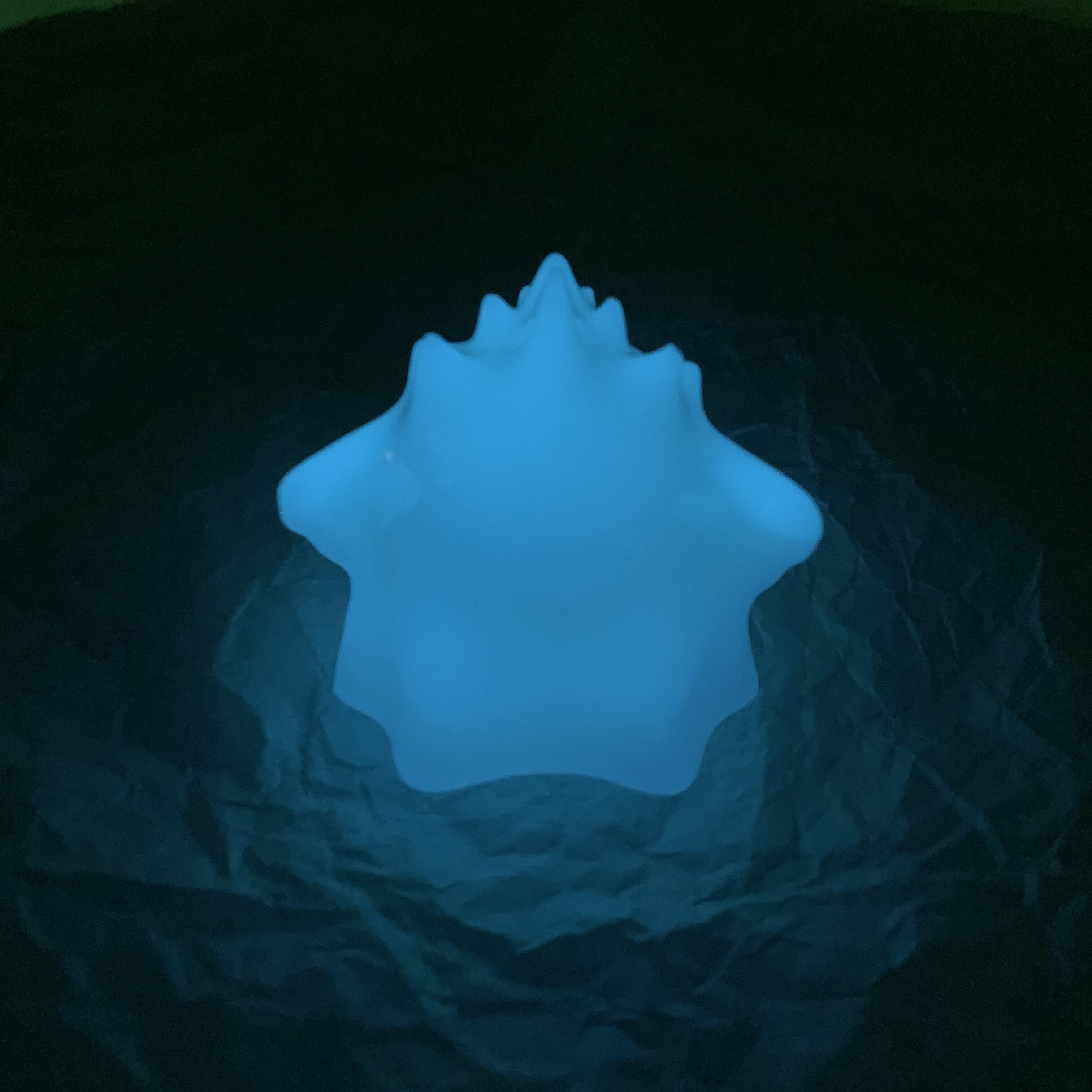
Luminous powder has revolutionized countless industries with its unique ability to absorb and emit light, creating stunning visual effects that continue long after the light source is removed. This photoluminescent material represents a breakthrough in modern manufacturing, offering sustainable and cost-effective solutions for applications ranging from safety signage to artistic creations. Understanding the science behind luminous powder opens doors to innovative applications that can transform ordinary products into extraordinary experiences. Whether you're a manufacturer exploring new product possibilities or a creative professional seeking unique materials, luminous powder provides endless opportunities for innovation and enhancement.
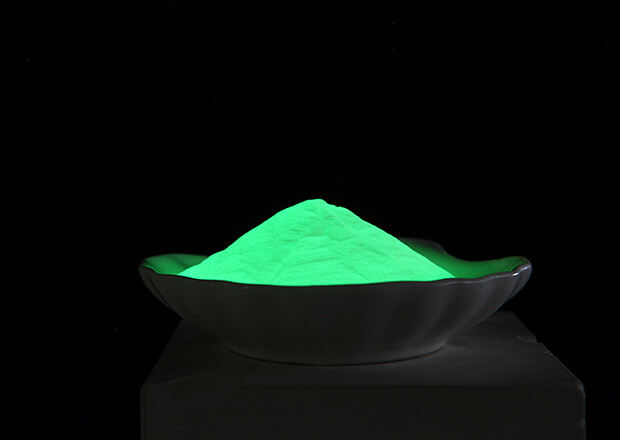
Understanding Luminous Powder Technology
Photoluminescent Chemistry Fundamentals
The science behind luminous powder centers on photoluminescence, a process where materials absorb photons from light sources and later release them as visible light. Modern luminous powder typically contains strontium aluminate compounds doped with rare earth elements like europium and dysprosium. These materials demonstrate superior performance compared to traditional zinc sulfide formulations, offering brighter illumination and extended glow duration. The crystalline structure of these compounds creates energy traps that store absorbed light energy and release it gradually over time.
Manufacturing processes for luminous powder involve precise temperature control and atmospheric conditions to achieve optimal crystal formation. The particle size distribution directly impacts both the brightness and duration of the glow effect, with finer particles providing smoother application properties while larger particles typically offer enhanced luminosity. Quality luminous powder undergoes rigorous testing to ensure consistent performance across different environmental conditions and applications.
Performance Characteristics and Specifications
High-quality luminous powder exhibits specific performance metrics that determine its suitability for various applications. Initial brightness levels, measured in millicandelas per square meter, indicate the immediate glow intensity after light activation. Afterglow duration represents the time period during which the material continues to emit visible light, with premium grades maintaining visibility for over 12 hours in darkness. Temperature stability ensures consistent performance across different environmental conditions, making luminous powder suitable for both indoor and outdoor applications.
Color options for luminous powder extend beyond the traditional green glow, with manufacturers now producing blue, yellow, orange, and aqua variations. Each color variant demonstrates different performance characteristics, with green typically offering the highest brightness and longest duration due to human eye sensitivity to green wavelengths. The charging efficiency of luminous powder depends on the light source intensity and exposure duration, with natural sunlight and UV lamps providing optimal activation.
Types and Classifications of Luminous Powder
Strontium Aluminate Based Formulations
Strontium aluminate luminous powder represents the current industry standard for high-performance photoluminescent materials. These formulations offer exceptional brightness levels and extended afterglow periods, making them ideal for safety applications and decorative purposes. The europium doping concentration affects both the color output and performance characteristics, with optimized ratios providing maximum efficiency. Manufacturing techniques for strontium aluminate luminous powder require specialized equipment and controlled environments to maintain product quality and consistency.
Advanced strontium aluminate formulations incorporate protective coatings that enhance moisture resistance and chemical stability. These improvements extend the operational lifespan of luminous powder applications, particularly in harsh environmental conditions. The particle morphology of strontium aluminate compounds influences mixing properties and final application characteristics, with spherical particles generally providing better dispersion in various mediums.
Specialized Grades and Applications
Industrial grade luminous powder meets stringent quality standards for commercial applications requiring reliable performance and consistent output. These materials undergo extensive testing for particle size distribution, brightness levels, and environmental stability. Fine grade luminous powder offers smooth application properties for coatings and paints, while coarse grades provide enhanced brightness for applications where particle visibility is acceptable.
Waterproof luminous powder incorporates special surface treatments that prevent moisture absorption and maintain performance in wet conditions. This specialized formulation enables applications in marine environments, outdoor signage, and bathroom fixtures. The encapsulation technology protects the active luminous compounds while maintaining optical transparency and light transmission properties essential for optimal glow performance.
Manufacturing and Production Processes
Raw Material Preparation and Quality Control
The production of high-quality luminous powder begins with careful selection and preparation of raw materials, including high-purity strontium carbonate, aluminum oxide, and rare earth dopants. Each component undergoes rigorous quality testing to ensure consistent chemical composition and eliminate impurities that could affect final product performance. The mixing process requires precise ratios and homogeneous distribution to achieve uniform luminescent properties throughout the batch.
Advanced manufacturing facilities utilize automated systems for material handling and mixing to minimize contamination and ensure reproducible results. Environmental controls maintain optimal temperature and humidity levels throughout the production process. Quality assurance protocols include real-time monitoring of critical parameters and statistical process control to maintain consistent output quality for luminous powder products.
Thermal Processing and Crystallization
The thermal processing stage represents the most critical phase in luminous powder manufacturing, where raw material mixtures undergo high-temperature treatment to form the desired crystalline structure. Furnace temperatures typically exceed 1200 degrees Celsius, with precise temperature profiles ensuring optimal crystal formation and dopant activation. The atmospheric conditions during firing significantly impact the final properties, requiring controlled oxygen levels and specific gas compositions.
Cooling profiles affect crystal structure stability and determine the final performance characteristics of luminous powder. Rapid cooling can create stress within the crystal lattice, while controlled cooling allows for optimal crystal growth and defect elimination. Post-processing steps include grinding and sieving to achieve the desired particle size distribution, followed by surface treatments to enhance stability and application properties.
Applications Across Industries
Safety and Emergency Systems
Emergency evacuation systems rely heavily on luminous powder for creating self-illuminating exit signs and pathway markings that remain visible during power outages. Building codes in many jurisdictions require photoluminescent materials for stairwells, exit routes, and emergency equipment marking. The long-lasting glow properties of modern luminous powder provide crucial visibility for up to 12 hours without external power sources, ensuring occupant safety during extended emergencies.
Maritime and aviation industries utilize luminous powder for safety equipment marking, life jacket indicators, and emergency exit identification. The ability to function without batteries or electrical connections makes luminous powder ideal for critical safety applications where reliability is paramount. Specialized marine-grade formulations resist saltwater corrosion and maintain performance in harsh oceanic environments.
Decorative and Artistic Applications
Interior design professionals increasingly incorporate luminous powder into decorative elements, creating stunning visual effects for residential and commercial spaces. Ceiling applications simulate starry night skies, while wall treatments provide subtle ambient lighting without electricity consumption. The versatility of luminous powder allows for creative mixing with various mediums, including paints, resins, and ceramic glazes.
Artistic applications range from sculpture enhancement to textile printing, where luminous powder adds interactive elements that respond to lighting conditions. Gallery installations utilize the time-dependent properties of luminous powder to create evolving artworks that change appearance as ambient light levels fluctuate. The non-toxic nature of modern luminous powder formulations enables safe use in public art installations and children's products.
Integration with Different Materials
Paint and Coating Systems
Incorporating luminous powder into paint formulations requires careful consideration of particle loading, binder compatibility, and application methods. Optimal concentration levels typically range from 20% to 40% by weight, balancing glow intensity with coating durability and adhesion properties. The particle size distribution affects both the final appearance and performance, with finer particles providing smoother finishes while maintaining adequate brightness levels.
Specialized binder systems enhance the dispersion and stability of luminous powder in liquid coatings, preventing settling and ensuring uniform distribution throughout the applied film. UV-resistant formulations protect both the luminous compounds and the surrounding matrix from photodegradation, extending the operational lifespan of treated surfaces. Quality control testing includes both wet and dry film analysis to verify proper particle distribution and adhesion characteristics.
Polymer and Resin Applications
Thermoplastic compounds incorporating luminous powder enable injection molding and extrusion processes for creating self-illuminating plastic components. The processing temperature limitations of photoluminescent materials require careful selection of compatible polymer systems and processing parameters. Masterbatch formulations provide consistent color and performance while simplifying the manufacturing process for end users.
Epoxy and polyurethane resin systems offer excellent transparency and durability for luminous powder applications requiring optical clarity and mechanical strength. These systems enable casting processes for decorative items, architectural elements, and industrial components. The curing characteristics of different resin systems affect the final distribution and performance of luminous powder, requiring optimization of mixing procedures and curing schedules.
Performance Optimization and Best Practices
Charging and Activation Techniques
Maximizing the performance of luminous powder requires understanding optimal charging conditions and light source selection. Natural sunlight provides the most effective activation, with UV components enhancing the charging efficiency and extending glow duration. Artificial light sources, including fluorescent and LED fixtures, can effectively charge luminous powder, though exposure times may vary based on intensity and spectral output.
Charging duration affects both initial brightness and afterglow performance, with most luminous powder formulations reaching full activation within 10-15 minutes of bright light exposure. Over-exposure does not improve performance and may actually reduce efficiency in some formulations. Strategic placement of charging lights ensures consistent activation across large surface areas treated with luminous powder.
Environmental Considerations and Durability
Long-term performance of luminous powder depends on protection from moisture, UV radiation, and chemical exposure that can degrade the photoluminescent properties. Proper surface preparation and primer application enhance adhesion and create barrier layers that protect the active compounds. Regular maintenance schedules help identify performance degradation and enable timely reapplication before safety or aesthetic standards are compromised.
Temperature cycling can affect the crystalline structure of luminous powder over time, particularly in outdoor applications experiencing extreme seasonal variations. Quality formulations incorporate stabilizing compounds that maintain performance across wide temperature ranges. Protective coatings and sealers provide additional environmental protection while maintaining optical transparency essential for proper light transmission.
FAQ
How long does luminous powder glow after charging
High-quality luminous powder typically provides visible glow for 8-12 hours after full activation, with some premium formulations extending beyond 24 hours. The brightness gradually decreases over time, following a predictable decay curve. Initial brightness levels are highest immediately after charging, with approximately 50% reduction occurring within the first 2-3 hours. Environmental factors such as temperature and humidity can influence the actual duration and intensity of the glow effect.
What is the difference between luminous powder and glow-in-the-dark paint
Luminous powder is the raw photoluminescent material, while glow-in-the-dark paint is a complete formulation containing luminous powder mixed with binders, solvents, and other additives. Pure luminous powder offers maximum brightness and flexibility for custom applications, allowing users to control concentration levels and choose compatible mediums. Pre-mixed paints provide convenience and consistent performance but may have lower luminous powder concentrations, resulting in reduced brightness and shorter glow duration compared to custom formulations.
Can luminous powder be mixed with any type of paint or medium
Luminous powder is compatible with most water-based and solvent-based systems, including acrylics, polyurethanes, epoxies, and silicones. However, certain acidic or highly alkaline mediums may affect the stability and performance of the photoluminescent compounds. The particle size and surface treatment of the luminous powder influence compatibility and mixing characteristics. Testing small batches before full-scale application ensures proper performance and identifies any potential compatibility issues with specific formulations.
Is luminous powder safe for use around children and in food contact applications
Modern strontium aluminate based luminous powder is generally considered non-toxic and safe for most applications. However, it is not recommended for direct food contact or applications where ingestion is possible. The powder should be properly encapsulated in appropriate mediums to prevent direct exposure. Safety data sheets provide detailed information about handling precautions and recommended uses. For applications involving children's products or sensitive environments, specialized food-grade or medical-grade formulations may be available with enhanced safety certifications.