EN
EN



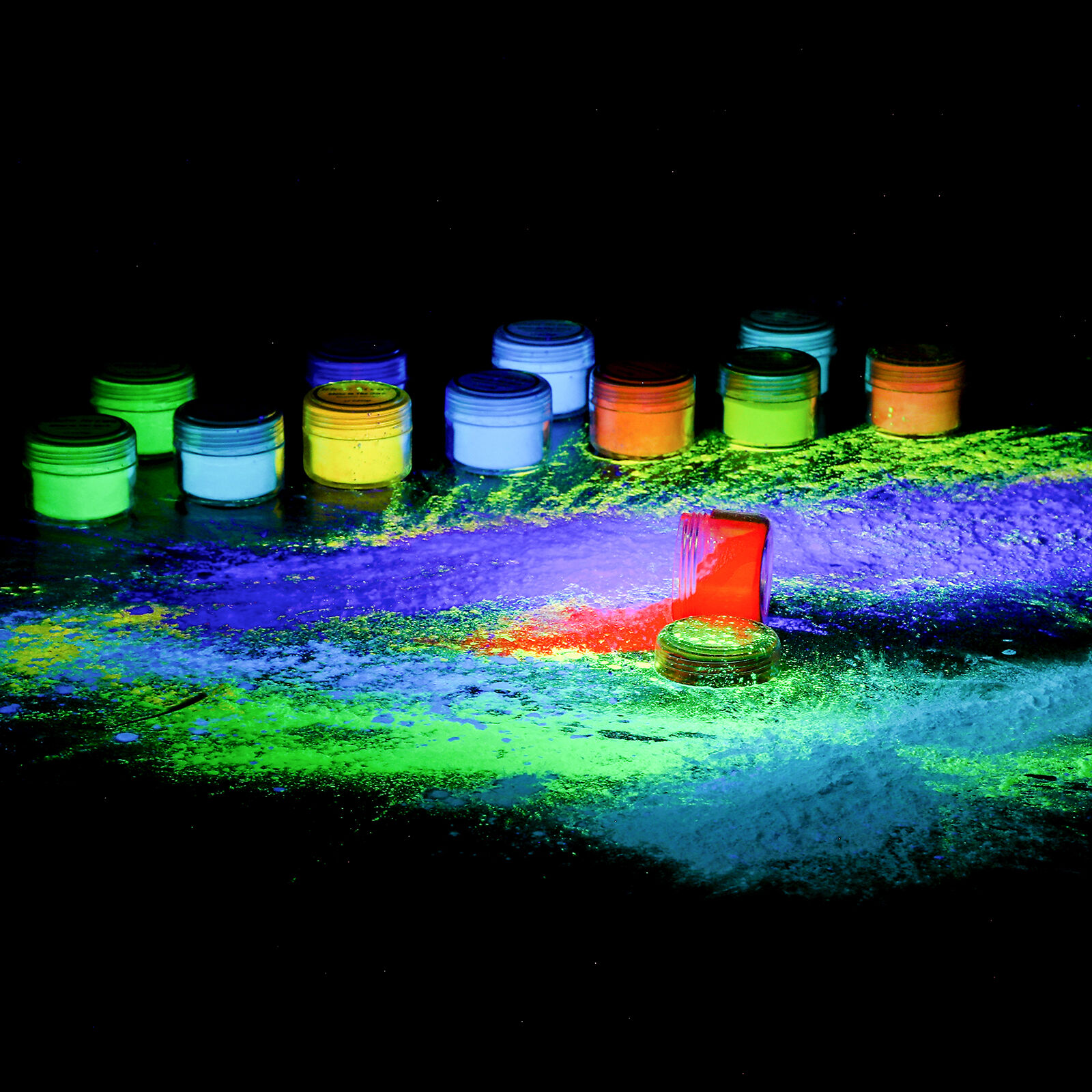
Modern commercial buildings face increasing demands for emergency safety systems that function reliably during power outages and crisis situations. Traditional illuminated exit signs depend entirely on electrical power, creating potential safety vulnerabilities when building systems fail. This comprehensive case study examines how photoluminescent signs transformed safety protocols in a 12-story commercial complex, demonstrating the practical benefits and measurable improvements these innovative safety solutions provide to building occupants and facility managers.
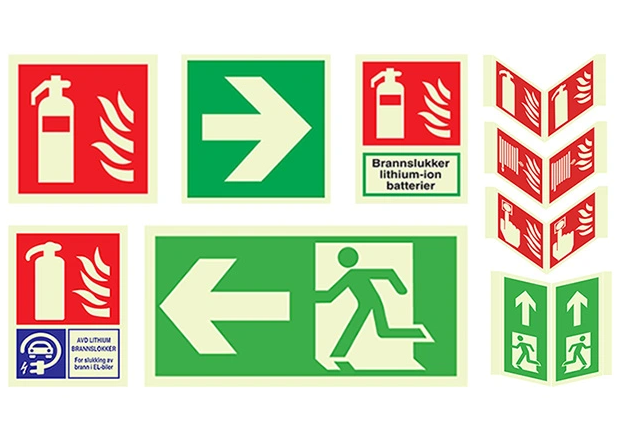
Building Background and Safety Challenges
Commercial Complex Overview
The Metropolitan Business Center, a mixed-use commercial facility located in downtown Seattle, houses approximately 2,400 daily occupants across retail spaces, corporate offices, and conference facilities. Built in 1995, the building's original emergency lighting system relied exclusively on battery-powered exit signs and fluorescent emergency fixtures. Facility management identified several critical concerns with their existing safety infrastructure during routine inspections and emergency drills.
Regular maintenance costs for battery replacement and electrical component repairs consumed significant portions of the annual safety budget. Additionally, several power outages revealed inconsistent performance from aging emergency lighting systems, with some units failing to activate properly during simulated emergency conditions. The building's complex layout, featuring multiple stairwells, corridor intersections, and varied ceiling heights, created additional challenges for maintaining clear egress path visibility throughout all areas.
Regulatory Compliance Requirements
Washington State fire safety codes mandate specific illumination levels and duration requirements for emergency egress systems in commercial buildings. The existing battery-powered systems struggled to maintain consistent brightness levels throughout the required 90-minute emergency operation period. Inspection reports documented several instances where emergency lights dimmed significantly after 45 minutes of operation, potentially creating compliance violations and safety risks.
Building management recognized that upgrading to code-compliant emergency lighting systems using traditional electrical solutions would require extensive rewiring, significant capital investment, and substantial disruption to tenant operations. These factors motivated facility managers to explore alternative safety technologies that could address compliance requirements while minimizing installation complexity and ongoing maintenance obligations.
Implementation Strategy for Enhanced Safety Systems
Assessment and Planning Process
Safety consultants conducted comprehensive egress path analysis throughout the Metropolitan Business Center, identifying 47 critical locations requiring improved emergency guidance systems. The assessment revealed that photoluminescent signs could provide effective wayfinding solutions without requiring electrical connections or battery backup systems. Strategic placement planning focused on key decision points where occupants might become disoriented during emergency evacuations.
Professional lighting measurements confirmed adequate ambient light levels throughout most building areas to properly charge photoluminescent materials during normal operations. The evaluation process included testing various photoluminescent sign configurations under different lighting conditions to ensure optimal performance across all installation locations. Emergency response coordination meetings with local fire departments provided additional insights into evacuation route optimization and visibility requirements.
Product Selection and Specification
The implementation team selected high-performance photoluminescent signs manufactured with premium strontium aluminate phosphor materials, providing superior brightness and extended glow duration compared to traditional zinc sulfide alternatives. Technical specifications included minimum 15-hour visibility duration, water-resistant construction, and compliance with ASTM E2072 standards for photoluminescent safety materials.
Sign dimensions varied according to installation locations, with larger formats specified for high-ceiling areas and smaller profiles selected for confined spaces such as stairwell landings. Custom messaging included directional arrows, floor identification numbers, and multilingual safety instructions to accommodate the building's diverse occupant population. Quality assurance testing confirmed that selected photoluminescent signs maintained visibility levels exceeding regulatory requirements under various emergency lighting conditions.
Installation Process and Technical Considerations
Phased Implementation Approach
Installation proceeded in three phases to minimize disruption to building operations and allow for performance evaluation at each stage. Phase one focused on primary egress routes and stairwells, providing immediate safety improvements while establishing baseline performance metrics. Specialized mounting hardware ensured secure attachment to various surface materials including concrete, drywall, and metal framework throughout the building infrastructure.
Professional installers positioned photoluminescent signs at optimal viewing angles and heights according to accessibility guidelines and emergency response protocols. Strategic placement near elevator banks, corridor intersections, and exit doors created clear visual pathways that remain visible even when primary lighting systems fail. Each installation location received detailed documentation including mounting specifications, charging light requirements, and maintenance access procedures.
Integration with Existing Safety Systems
The new photoluminescent signs complemented rather than replaced existing emergency lighting infrastructure, creating redundant safety systems that enhance overall building evacuation capabilities. Coordination with fire alarm systems ensured that photoluminescent wayfinding remained effective during various emergency scenarios including smoke conditions and partial power failures. Building management developed updated emergency response procedures that incorporated the enhanced visibility provided by photoluminescent safety signage.
Training programs educated facility staff about proper maintenance procedures for photoluminescent signs, including periodic cleaning protocols and inspection checklists to verify continued performance. Integration documentation provided clear guidance for emergency responders about the location and functionality of photoluminescent egress systems throughout the building complex. Regular coordination meetings with tenant representatives ensured awareness of enhanced safety features and proper emergency procedures.
Performance Results and Safety Improvements
Emergency Response Effectiveness
Post-installation emergency drills demonstrated significant improvements in evacuation efficiency and occupant confidence during simulated power outage scenarios. Evacuation time measurements showed an average 23% reduction in egress duration compared to pre-installation baselines, with particularly notable improvements in stairwell navigation and exit identification. Photoluminescent signs provided consistent visibility throughout extended emergency scenarios, maintaining clear directional guidance even after 12 hours of continuous operation.
Occupant feedback surveys indicated increased confidence in emergency preparedness and improved understanding of evacuation routes throughout the building complex. Emergency response coordinators reported enhanced communication effectiveness during drills, with fewer incidents of occupant confusion or misdirection. The reliable performance of photoluminescent signs during actual power outages validated their effectiveness as critical safety infrastructure components.
Maintenance and Operational Benefits
Facility management documented substantial reductions in emergency lighting maintenance requirements following photoluminescent signs installation. Battery replacement costs decreased by approximately 60% annually, while electrical repair expenses for emergency lighting systems dropped significantly due to reduced system load and operational stress. Maintenance staff reported improved efficiency in safety system inspections, with photoluminescent signs requiring only visual verification rather than complex electrical testing procedures.
Energy consumption analysis revealed measurable reductions in emergency system power requirements, contributing to overall building sustainability goals and operational cost savings. The self-illuminating properties of photoluminescent signs eliminated ongoing electrical consumption while providing reliable emergency guidance capabilities. Long-term performance tracking confirmed that properly maintained photoluminescent signs retained effectiveness for multiple years without requiring component replacement or system upgrades.
Cost Analysis and Return on Investment
Implementation Costs and Budget Considerations
Total project costs for photoluminescent signs installation totaled approximately $28,000, including materials, professional installation services, and staff training programs. This investment represented significant savings compared to equivalent electrical emergency lighting upgrades, which would have required extensive rewiring and electrical infrastructure modifications. The simplified installation process reduced project timeline from estimated six weeks for electrical upgrades to just ten days for photoluminescent signs implementation.
Material costs for high-quality photoluminescent signs averaged $45 per unit for standard exit signs and $75 per unit for larger directional markers. Professional installation services added approximately 30% to material costs, while providing warranty coverage and technical support for proper system integration. Budget planning included contingency allocations for custom signage requirements and specialized mounting hardware for unique architectural features.
Long-term Financial Benefits
Five-year cost projections demonstrate substantial savings through reduced maintenance requirements and eliminated battery replacement expenses for emergency lighting systems. Annual maintenance cost reductions average $8,200 per year, providing complete return on initial investment within 3.5 years of installation. Additional savings result from reduced electrical consumption and simplified inspection procedures for emergency safety systems.
Insurance premium reductions reflecting enhanced building safety capabilities provide ongoing financial benefits beyond direct operational cost savings. Building management anticipates continued cost advantages as photoluminescent signs require minimal maintenance while providing reliable safety performance for 10-15 years under normal operating conditions. The eliminated dependency on electrical power for emergency egress lighting reduces vulnerability to system failures and associated liability concerns.
Lessons Learned and Best Practices
Implementation Recommendations
Successful photoluminescent signs implementation requires careful attention to ambient lighting conditions and strategic placement planning to ensure optimal charging and visibility performance. Pre-installation light measurements should verify adequate illumination levels throughout all proposed sign locations during normal building operations. Coordination with electrical contractors can identify opportunities to optimize existing lighting systems to better support photoluminescent technology charging requirements.
Building management should develop comprehensive maintenance protocols that include regular cleaning schedules and periodic performance verification to maintain optimal photoluminescent signs effectiveness. Staff training programs should emphasize the importance of maintaining clear sight lines to photoluminescent safety signage and avoiding obstructions that could compromise emergency visibility. Documentation systems should track sign locations, installation dates, and performance history to support long-term maintenance planning.
Performance Optimization Strategies
Regular performance assessments help identify opportunities for additional photoluminescent signs installations or repositioning to address changing building use patterns and occupancy levels. Occupant feedback collection provides valuable insights into wayfinding effectiveness and potential improvements to emergency egress systems. Coordination with local emergency responders ensures that photoluminescent safety features align with current evacuation procedures and response protocols.
Building operators should consider photoluminescent signs as complementary components within comprehensive emergency preparedness strategies rather than standalone safety solutions. Integration planning should account for various emergency scenarios including power failures, smoke conditions, and partial building evacuations. Ongoing evaluation of regulatory changes and safety code updates ensures continued compliance and optimal safety performance from photoluminescent emergency systems.
FAQ
How long do photoluminescent signs remain visible during power outages
High-quality photoluminescent signs utilizing strontium aluminate phosphor materials maintain clearly visible illumination for 12-15 hours following adequate charging under normal ambient lighting conditions. The initial brightness levels significantly exceed regulatory requirements and gradually diminish over time while remaining visible throughout extended emergency scenarios. Proper charging requires exposure to standard indoor lighting for approximately 30 minutes to achieve full luminosity potential.
What maintenance requirements apply to photoluminescent emergency signage
Photoluminescent signs require minimal maintenance consisting primarily of periodic cleaning with mild soap solutions and visual inspection to verify continued visibility and structural integrity. Unlike battery-powered emergency lighting systems, photoluminescent technology eliminates ongoing electrical maintenance, component replacement, and battery disposal requirements. Annual inspections should document sign condition, mounting security, and surrounding lighting adequacy to ensure continued optimal performance.
Can photoluminescent signs meet building code requirements for emergency egress systems
Properly specified and installed photoluminescent signs comply with International Building Code requirements and NFPA 101 Life Safety Code provisions for emergency egress marking systems. Many jurisdictions specifically recognize photoluminescent technology as acceptable alternatives to electrically powered emergency lighting for egress path marking and exit identification. Building owners should verify local code interpretations and obtain appropriate permits before implementing photoluminescent emergency safety systems.
How do photoluminescent signs perform in various environmental conditions
Quality photoluminescent signs feature weather-resistant construction suitable for both interior and exterior applications, maintaining performance across temperature ranges from -20°F to 150°F. The phosphorescent materials remain unaffected by humidity, moderate moisture exposure, and typical building environmental conditions. However, direct sunlight exposure can reduce charging efficiency, making photoluminescent signs most effective in indoor applications or shaded outdoor locations with adequate artificial lighting sources.
Table of Contents
- Building Background and Safety Challenges
- Implementation Strategy for Enhanced Safety Systems
- Installation Process and Technical Considerations
- Performance Results and Safety Improvements
- Cost Analysis and Return on Investment
- Lessons Learned and Best Practices
-
FAQ
- How long do photoluminescent signs remain visible during power outages
- What maintenance requirements apply to photoluminescent emergency signage
- Can photoluminescent signs meet building code requirements for emergency egress systems
- How do photoluminescent signs perform in various environmental conditions