EN
EN




In today's safety-conscious environment, building owners and facility managers face a critical decision when selecting emergency signage systems. While traditional illuminated signs have dominated the market for decades, photoluminescent signs are emerging as a superior alternative that offers unprecedented reliability, cost-effectiveness, and environmental benefits. These innovative safety solutions harness the power of phosphorescent technology to provide continuous visibility during power outages and emergency situations, making them an essential component of modern building safety infrastructure.
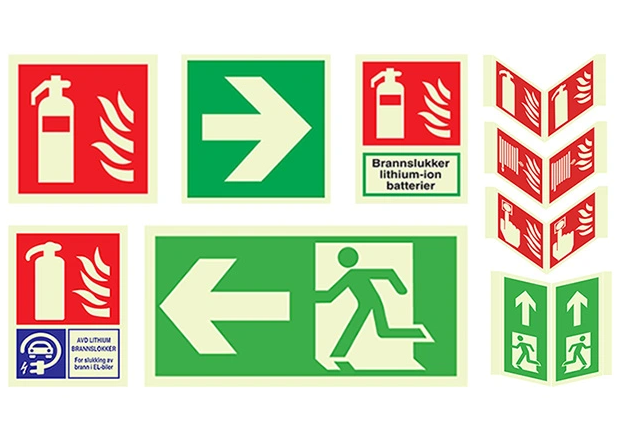
Understanding Photoluminescent Technology
The Science Behind Phosphorescent Materials
Photoluminescent signs utilize advanced phosphorescent materials that absorb and store ambient light energy during normal operating conditions. These specialized compounds, typically consisting of strontium aluminate or zinc sulfide crystals, can capture photons from natural or artificial light sources and re-emit them slowly over extended periods. The process occurs at a molecular level where electrons absorb energy and move to higher energy states before gradually returning to their ground state while releasing visible light.
Modern photoluminescent signs incorporate rare earth elements such as europium and dysprosium, which significantly enhance their luminescent properties and extend their afterglow duration. This technological advancement allows contemporary photoluminescent signs to maintain visibility for up to 12 hours after the ambient light source is removed, far exceeding the performance capabilities of earlier phosphorescent materials.
Charging and Activation Mechanisms
The charging process for photoluminescent signs is remarkably simple and efficient, requiring only exposure to standard ambient lighting conditions. Unlike traditional illuminated signs that demand continuous electrical power, photoluminescent signs automatically charge themselves during normal building operation without any additional energy input or maintenance requirements. The charging efficiency varies depending on the light intensity and duration of exposure, with optimal performance achieved under fluorescent or LED lighting conditions.
Once fully charged, photoluminescent signs provide immediate activation during power failures or emergency situations. The transition from charging to emission mode occurs instantaneously without any lag time or warm-up period, ensuring that critical safety information remains visible precisely when it is needed most. This automatic activation feature eliminates the potential for system failures that can occur with battery-powered or electrically dependent signage systems.
Cost Analysis and Economic Benefits
Initial Investment Comparison
When examining the upfront costs associated with photoluminescent signs versus traditional illuminated signage, the initial investment typically favors photoluminescent solutions. Traditional illuminated signs require substantial infrastructure investments including electrical wiring, transformers, battery backup systems, and complex control circuits. These components significantly increase both material and installation costs, particularly in retrofit applications where existing electrical systems may require upgrades to accommodate additional lighting loads.
Photoluminescent signs eliminate the need for electrical infrastructure entirely, requiring only proper mounting hardware and adhesive materials for installation. This streamlined approach reduces project complexity and allows for faster deployment across large facilities. The absence of electrical components also eliminates potential code compliance issues related to emergency lighting circuits and battery backup systems that often complicate traditional illuminated sign installations.
Long-term Operational Savings
The operational cost advantages of photoluminescent signs become increasingly apparent over their extended service life. Traditional illuminated signs consume continuous electrical power throughout their operation, contributing to monthly utility expenses that compound significantly over time. Battery backup systems require regular replacement cycles, typically every three to five years, adding substantial maintenance costs and potential service disruptions to facility operations.
Photoluminescent signs operate completely independently of electrical power systems, eliminating ongoing energy consumption and battery replacement requirements. These systems can function effectively for 10 to 15 years without any maintenance interventions, providing exceptional return on investment compared to traditional alternatives. The elimination of electrical components also reduces the risk of component failures that can result in costly emergency service calls and regulatory compliance issues.
Reliability and Performance Advantages
Power Outage Independence
One of the most significant advantages of photoluminescent signs lies in their complete independence from electrical power systems during emergencies. Traditional illuminated signs rely on battery backup systems that can fail due to age, temperature extremes, or inadequate maintenance, potentially leaving occupants without critical wayfinding information during evacuations. Battery degradation is a common issue that often goes undetected until emergency situations arise, creating serious safety vulnerabilities.
Photoluminescent signs provide unwavering reliability during power outages because they operate on stored light energy rather than electrical power. This fundamental difference ensures that photoluminescent signs remain fully functional regardless of electrical system status, power grid failures, or battery backup system malfunctions. The absence of electrical components eliminates numerous potential failure points that can compromise emergency signage performance when it is most critical.
Environmental Durability
Photoluminescent signs demonstrate exceptional resilience to environmental factors that commonly affect traditional illuminated signage systems. Extreme temperatures, humidity fluctuations, and vibration can significantly impact electrical components, leading to premature failures and reduced service life. LED drivers, ballasts, and battery systems are particularly vulnerable to environmental stresses that can cause gradual degradation or sudden failures.
The solid-state nature of photoluminescent materials provides inherent resistance to temperature variations, moisture exposure, and mechanical stresses. These signs maintain consistent performance across wide temperature ranges without the thermal management challenges that plague electronic signage systems. The absence of moving parts, electrical connections, or sensitive components ensures reliable operation in harsh industrial environments, outdoor applications, and facilities subject to extreme weather conditions.
Environmental Impact and Sustainability
Energy Conservation Benefits
The environmental advantages of photoluminescent signs extend far beyond their immediate operational benefits, contributing to significant energy conservation and carbon footprint reduction. Traditional illuminated signs consume continuous electrical power throughout their service life, contributing to overall building energy consumption and associated greenhouse gas emissions. The cumulative energy consumption of emergency lighting systems across commercial and industrial facilities represents a substantial environmental impact that can be eliminated through photoluminescent sign adoption.
Photoluminescent signs require no external energy input during operation, utilizing only ambient light that would otherwise be present in occupied spaces. This passive energy utilization approach aligns perfectly with sustainable building design principles and green certification requirements. Facilities seeking LEED certification or other environmental performance standards can benefit from the energy independence and reduced electrical load associated with photoluminescent emergency signage systems.
Waste Reduction and Lifecycle Considerations
The extended service life of photoluminescent signs significantly reduces waste generation compared to traditional illuminated alternatives. Battery backup systems require regular replacement cycles that generate hazardous waste requiring specialized disposal procedures. LED components, electronic drivers, and control systems also have limited service lives that contribute to electronic waste streams and environmental disposal challenges.
Photoluminescent signs typically provide 10 to 15 years of maintenance-free service without generating any waste byproducts or requiring component replacements. The phosphorescent materials used in modern photoluminescent signs are non-toxic and environmentally stable, posing no disposal hazards at the end of their service life. This sustainable approach to emergency signage supports circular economy principles and reduces the environmental impact of building safety systems.
Installation and Maintenance Considerations
Simplified Installation Procedures
The installation process for photoluminescent signs is remarkably straightforward compared to traditional illuminated signage systems. Electrical installations require qualified electricians, proper circuit design, code compliance verification, and coordination with existing building systems. These requirements increase project complexity, extend installation timelines, and necessitate specialized expertise that may not be readily available in all locations.
Photoluminescent signs can be installed by general maintenance personnel using standard mounting hardware and adhesive systems. The absence of electrical connections eliminates permit requirements, electrical inspections, and code compliance complications that often delay traditional signage projects. This simplified installation approach enables rapid deployment across large facilities and reduces project costs while maintaining full compliance with emergency signage regulations.
Maintenance-Free Operation
Traditional illuminated signs require ongoing maintenance including lamp replacement, battery testing, electrical system inspections, and component cleaning to ensure reliable operation. These maintenance requirements create ongoing operational costs and potential service disruptions that can impact facility operations. Battery backup systems are particularly maintenance-intensive, requiring regular testing protocols and replacement schedules to maintain emergency functionality.
Photoluminescent signs operate maintenance-free throughout their service life, requiring only periodic cleaning to remove dust or debris that might reduce light absorption efficiency. The absence of electrical components eliminates the need for regular testing protocols, battery replacement, or component inspections. This maintenance-free operation reduces facility management workload while ensuring consistent emergency signage performance without ongoing intervention requirements.
Regulatory Compliance and Standards
Building Code Requirements
Photoluminescent signs meet or exceed all relevant building code requirements for emergency egress signage when properly specified and installed according to manufacturer guidelines. International Building Code (IBC) provisions recognize photoluminescent materials as acceptable alternatives to traditional illuminated signs for exit marking and wayfinding applications. These regulations specify minimum luminance levels, duration requirements, and installation standards that ensure adequate visibility during emergency evacuations.
Compliance verification for photoluminescent signs is typically simpler than traditional illuminated systems because testing procedures focus on material performance rather than complex electrical system functionality. Photoluminescent signs must demonstrate specific afterglow characteristics and luminance decay curves that can be verified through standardized testing protocols. This straightforward compliance approach reduces inspection complexity and provides clear performance criteria for regulatory approval.
International Standards and Certifications
Leading photoluminescent signs comply with internationally recognized standards including ASTM E2072, ISO 3864, and IMO Resolution guidelines that establish performance criteria for emergency signage materials. These standards specify minimum luminance levels, color requirements, and durability criteria that ensure consistent performance across different applications and environmental conditions. Compliance with these standards provides assurance that photoluminescent signs will perform reliably in emergency situations.
Third-party testing and certification programs verify that photoluminescent signs meet applicable standards and performance requirements. These certifications provide independent validation of material performance and help facility managers demonstrate regulatory compliance to authorities having jurisdiction. The availability of certified photoluminescent signs simplifies specification processes and reduces approval complexities for new construction and renovation projects.
FAQ
How long do photoluminescent signs glow after lights go out
Modern photoluminescent signs can maintain visible luminance for 8 to 12 hours after ambient lighting is removed, depending on the quality of the phosphorescent materials and the intensity of the charging light source. High-quality photoluminescent signs typically provide adequate visibility for the first 2 to 4 hours, which exceeds the duration of most emergency situations. The glow gradually diminishes over time but remains detectable to dark-adapted eyes throughout the rated duration period.
Are photoluminescent signs suitable for outdoor applications
Photoluminescent signs can be manufactured for outdoor use with appropriate weatherproof enclosures and UV-resistant materials that prevent degradation from sunlight exposure. Outdoor photoluminescent signs require careful consideration of ambient light levels to ensure adequate charging during daylight hours. These signs perform exceptionally well in covered outdoor areas such as parking garages, loading docks, and exterior stairwells where they receive sufficient ambient light for charging while remaining protected from direct weather exposure.
Do photoluminescent signs work in completely dark environments
Photoluminescent signs require periodic exposure to ambient light sources to maintain their luminescent properties and cannot function indefinitely in completely dark environments. However, most building environments provide sufficient ambient light from emergency lighting systems, natural daylight, or normal artificial lighting to keep photoluminescent signs charged and ready for emergency use. The signs store energy during normal lighting conditions and release it gradually when darkness occurs, making them ideal for standard building applications.
How do photoluminescent signs compare to traditional exit signs in terms of brightness
Photoluminescent signs provide initial luminance levels comparable to traditional illuminated exit signs immediately after light exposure ceases. While the brightness gradually decreases over time, properly charged photoluminescent signs maintain sufficient luminance to meet visibility requirements for emergency egress during the critical first hours of an emergency. The perceived brightness is adequate for wayfinding purposes and often appears more natural to occupants than harsh electric lighting during emergency situations.