EN
EN




Building safety regulations have become increasingly stringent across industries, making compliance with fire safety codes more critical than ever. Among the most effective solutions for meeting these requirements are photoluminescent signs, which provide reliable emergency guidance without requiring electrical power. These innovative safety markers have transformed how facilities approach emergency preparedness, offering a sustainable and cost-effective approach to life safety systems. Modern photoluminescent signs combine advanced glow-in-the-dark technology with durable materials, ensuring visibility during power outages and emergency situations when traditional lighting systems may fail.
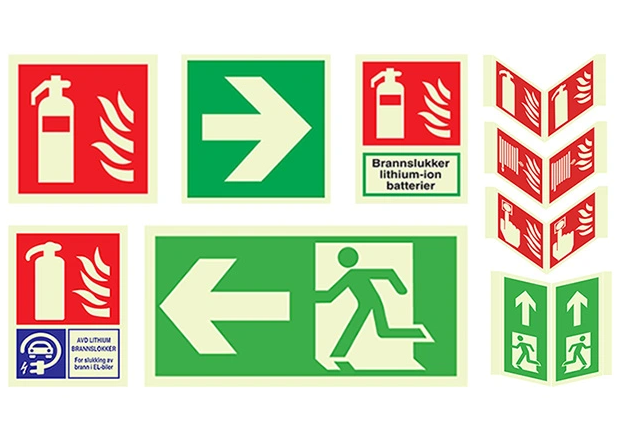
Understanding Fire Safety Code Requirements
International Building Code Standards
The International Building Code (IBC) establishes comprehensive requirements for emergency egress systems, including specific provisions for photoluminescent signs in high-rise buildings and underground facilities. These regulations mandate that exit route markings remain visible during power failures, ensuring occupants can safely navigate to designated assembly areas. Photoluminescent signs meet these requirements by absorbing ambient light during normal operations and releasing it gradually during emergencies, providing continuous visibility for extended periods.
Compliance officers must understand that IBC standards vary by building occupancy classification, with stricter requirements for high-hazard facilities and structures exceeding certain height thresholds. Photoluminescent signs offer flexibility in meeting these diverse requirements, as they can be customized with different luminance levels and charging characteristics to match specific code provisions. Modern formulations maintain brightness for several hours after light exposure, exceeding minimum visibility standards established by safety authorities.
NFPA Life Safety Code Guidelines
The National Fire Protection Association (NFPA) Life Safety Code provides detailed specifications for emergency lighting and exit marking systems, establishing performance criteria that photoluminescent signs must meet. These guidelines address luminance decay rates, minimum brightness levels, and installation requirements that ensure effective emergency egress guidance. Facilities using photoluminescent signs must demonstrate compliance through proper testing and documentation procedures outlined in NFPA standards.
NFPA regulations also specify maintenance requirements for photoluminescent signs, including regular inspections and photometric testing to verify continued performance. Unlike battery-powered emergency lighting systems, photoluminescent signs require minimal maintenance while providing reliable operation throughout their service life. This reliability factor makes them particularly attractive for facilities seeking long-term compliance solutions that minimize ongoing operational costs and maintenance burdens.
Advantages of Photoluminescent Technology
Energy Independence and Reliability
One of the most significant advantages of photoluminescent signs is their complete independence from electrical power systems, eliminating concerns about battery failures or electrical malfunctions during emergencies. This energy independence ensures that photoluminescent signs continue operating even during extended power outages or system-wide electrical failures. The phosphorescent materials used in these signs can maintain visibility for hours after charging, providing consistent emergency guidance when it matters most.
Traditional emergency lighting systems require regular battery replacements, electrical connections, and backup power sources that add complexity and potential failure points to safety systems. Photoluminescent signs eliminate these concerns by relying on passive light absorption and emission processes that function indefinitely without external power sources. This reliability advantage becomes particularly important in critical facilities where emergency systems must operate flawlessly during crisis situations.
Cost-Effective Implementation
The initial installation cost of photoluminescent signs is typically lower than comparable electrical emergency lighting systems, as they require no wiring, conduits, or electrical connections. This simplicity reduces installation time and labor costs while eliminating the need for electrical permits in many jurisdictions. Long-term operational costs remain minimal since photoluminescent signs require no electricity, battery replacements, or routine electrical maintenance procedures.
Facility managers appreciate the total cost of ownership advantages that photoluminescent signs provide over traditional emergency lighting alternatives. While electrical systems require ongoing maintenance contracts, periodic testing, and component replacements, photoluminescent signs maintain their effectiveness with simple visual inspections and occasional cleaning. This cost structure makes them particularly attractive for large facilities with extensive emergency egress systems where maintenance costs can accumulate significantly over time.
Installation Best Practices
Strategic Placement Guidelines
Proper placement of photoluminescent signs requires careful consideration of sight lines, ambient lighting conditions, and emergency egress routes to maximize their effectiveness during crisis situations. Signs should be positioned at eye level wherever possible, with clear visibility from multiple approach angles to ensure occupants can locate them quickly during stressful emergency conditions. Strategic placement also considers potential obstructions such as furniture, equipment, or architectural features that might block visibility during normal operations.
Installation teams must evaluate ambient lighting conditions throughout facilities to ensure photoluminescent signs receive adequate light exposure for proper charging during normal operations. Areas with insufficient natural or artificial light may require supplementary charging lights or alternative sign technologies to maintain compliance with safety code requirements. Photoluminescent signs perform optimally when exposed to fluorescent, LED, or natural lighting for several hours daily, building up the energy reserves needed for emergency illumination.
Mounting and Durability Considerations
The mounting method for photoluminescent signs affects both their visibility and long-term durability, requiring selection of appropriate hardware and installation techniques for different wall surfaces and environmental conditions. High-traffic areas may require protective mounting systems that prevent accidental damage while maintaining sign visibility and accessibility. Industrial environments with exposure to chemicals, moisture, or extreme temperatures need specialized mounting solutions that protect photoluminescent signs from environmental degradation.
Durability factors include resistance to fading, cracking, and delamination that can reduce the effectiveness of photoluminescent signs over time. Quality signs feature UV-resistant materials and protective coatings that maintain their luminescent properties despite exposure to sunlight and artificial lighting sources. Proper installation techniques ensure that photoluminescent signs remain securely mounted and clearly visible throughout their intended service life, typically ranging from ten to twenty years depending on environmental conditions.
Maintenance and Testing Protocols
Regular Inspection Requirements
Effective maintenance of photoluminescent signs begins with establishing regular inspection schedules that verify their continued visibility and structural integrity. Monthly visual inspections should check for damage, obstruction, or degradation that might compromise emergency visibility, while annual detailed inspections assess luminescent performance and mounting security. These inspection protocols help facility managers maintain compliance with safety codes while identifying potential issues before they affect emergency preparedness.
Documentation of inspection results provides important records for compliance audits and helps track the performance of photoluminescent signs over time. Inspection checklists should include verification of sign visibility, mounting integrity, and freedom from obstruction by equipment or furnishings. Regular photographic documentation can help track any gradual changes in sign condition or performance that might require corrective action or replacement scheduling.
Performance Testing Methods
Photometric testing of photoluminescent signs ensures they continue meeting minimum brightness requirements specified in safety codes, typically measured in millicandelas per square meter at specific time intervals after light exposure. Professional testing equipment can measure luminance decay curves and verify compliance with applicable standards such as ASTM E2073 or ISO 3864. These measurements provide objective data confirming that photoluminescent signs maintain adequate visibility throughout required emergency duration periods.
Testing protocols should simulate actual emergency conditions by measuring sign brightness after normal light exposure followed by complete darkness. This testing approach verifies that photoluminescent signs will perform as expected during real emergency situations when occupants depend on them for safe egress guidance. Regular testing also helps identify signs that may be approaching the end of their effective service life and require replacement to maintain compliance standards.
Industry Applications
Commercial and Office Buildings
Commercial office environments benefit significantly from photoluminescent signs due to their professional appearance and reliable emergency performance without ongoing operational costs. Modern office buildings often feature open floor plans and flexible workspace arrangements that require adaptable emergency egress systems capable of providing guidance regardless of furniture configurations. Photoluminescent signs offer this flexibility while maintaining the clean aesthetic appearance that corporate environments demand.
High-rise office buildings face particular challenges in emergency evacuation scenarios, where occupants may need to navigate multiple floors and stairwells during power outages. Photoluminescent signs provide continuous visibility throughout extended evacuation periods, helping prevent confusion and panic that can occur when traditional lighting systems fail. The reliability of these signs becomes especially important in buildings with large occupant loads where efficient evacuation is critical for life safety.
Industrial and Manufacturing Facilities
Industrial environments present unique challenges for emergency egress systems, including exposure to chemicals, extreme temperatures, and heavy machinery that can create complex evacuation scenarios. Photoluminescent signs designed for industrial applications feature enhanced durability and chemical resistance while maintaining their luminescent properties in harsh operating conditions. These specialized signs help workers navigate complex facility layouts during emergencies when industrial lighting systems may be compromised.
Manufacturing facilities often operate around-the-clock schedules with varying lighting conditions that can affect the charging and performance of photoluminescent signs. Proper selection and placement ensure adequate light exposure during all operational periods while providing reliable emergency guidance regardless of shift schedules or production activities. The energy independence of photoluminescent signs proves particularly valuable in industrial settings where electrical systems may be shut down as part of emergency response procedures.
FAQ
How long do photoluminescent signs remain visible after lights go out
Quality photoluminescent signs maintain visible brightness for several hours after light exposure ends, with initial brightness levels exceeding safety code requirements and gradual decay over time. Most professional-grade signs remain clearly visible for at least four hours in complete darkness, with some high-performance formulations providing visibility for eight hours or longer. The exact duration depends on the sign material quality, charging time, and ambient light intensity during normal operations.
What maintenance is required for photoluminescent signs
Photoluminescent signs require minimal maintenance compared to electrical emergency lighting systems, primarily consisting of regular visual inspections and occasional cleaning to remove dust or debris that might reduce light absorption. Monthly inspections should verify sign visibility and mounting integrity, while annual assessments may include photometric testing to confirm compliance with brightness standards. No electrical maintenance, battery replacements, or complex testing procedures are required for properly installed photoluminescent signs.
Are photoluminescent signs suitable for outdoor applications
Outdoor photoluminescent signs require special UV-resistant materials and weatherproof construction to withstand exposure to sunlight, rain, and temperature variations that can affect luminescent performance. While indoor photoluminescent signs work optimally in controlled environments, outdoor versions use enhanced formulations and protective coatings that maintain their charging and emission properties despite weather exposure. Proper selection of outdoor-rated photoluminescent signs ensures reliable performance in exterior emergency egress applications.
How do photoluminescent signs compare to battery-powered emergency lighting
Photoluminescent signs offer several advantages over battery-powered emergency lighting, including elimination of battery replacement costs, reduced maintenance requirements, and immunity to electrical system failures that can affect traditional emergency lighting. While battery systems provide brighter illumination, photoluminescent signs offer longer-duration visibility and simpler installation without electrical connections. The choice between systems depends on specific application requirements, budget considerations, and facility maintenance capabilities.