EN
EN




Modern safety regulations demand reliable emergency egress systems that function even during power outages and critical situations. Photoluminescent signs represent a revolutionary approach to building safety, offering superior visibility without requiring external power sources. These innovative safety solutions have transformed how facilities approach emergency preparedness, providing consistent illumination through advanced phosphorescent technology that absorbs ambient light and releases it gradually during darkness.
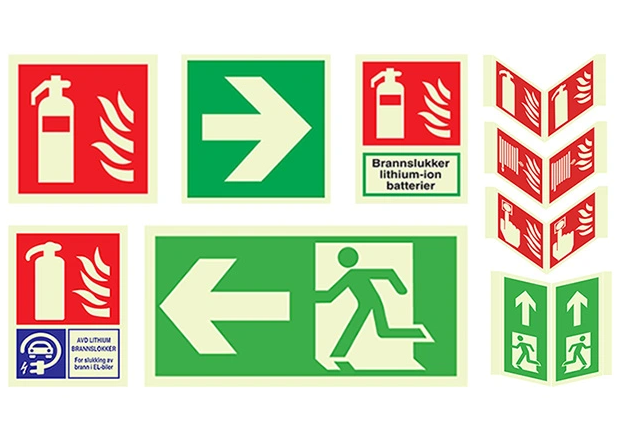
The technology behind photoluminescent signs utilizes photoluminescent pigments that store energy from artificial lighting during normal operations. When ambient lighting fails, these materials emit a bright, visible glow that can last for hours, ensuring continuous visibility of exit routes, safety equipment locations, and critical directional information. This self-sustaining illumination system has become essential for modern commercial buildings, industrial facilities, and public spaces worldwide.
Building codes increasingly mandate the installation of photoluminescent safety systems as primary or supplementary egress marking solutions. These requirements reflect growing recognition of the reliability and effectiveness of photoluminescent technology in emergency situations. Unlike traditional emergency lighting systems that depend on backup batteries or generators, photoluminescent signs operate independently of electrical infrastructure, providing unwavering performance when conventional systems might fail.
Technology and Performance Characteristics
Photoluminescent Material Science
The foundation of effective photoluminescent signs lies in advanced strontium aluminate compounds that exhibit superior brightness and duration compared to traditional zinc sulfide materials. These modern phosphorescent substances absorb ultraviolet and visible light energy during exposure to ambient lighting, storing this energy within their molecular structure for gradual release over extended periods.
High-quality photoluminescent signs utilize optimized particle sizes and concentrations to maximize light absorption and emission characteristics. The excitation process occurs rapidly under normal lighting conditions, typically achieving full charge within 15-30 minutes of exposure to standard artificial lighting. Once charged, these materials can maintain visible luminescence for 8-12 hours, with peak brightness occurring during the first hour after light source removal.
Advanced photoluminescent formulations incorporate multiple phosphorescent compounds to create extended glow duration and enhanced visibility across various environmental conditions. These multi-component systems ensure consistent performance regardless of ambient temperature fluctuations, humidity levels, or atmospheric pressure variations commonly encountered in commercial and industrial settings.
Visibility and Luminance Standards
International safety standards establish specific luminance requirements for photoluminescent signs to ensure adequate visibility during emergency conditions. ASTM E2073 and ISO 3864 specify minimum brightness levels and duration requirements that quality photoluminescent products must meet or exceed for certification compliance.
Professional-grade photoluminescent signs typically achieve initial luminance levels of 150-300 millicandelas per square meter, providing clearly visible guidance even in completely darkened environments. This brightness level enables occupants to identify exit routes, safety equipment, and directional indicators from distances of 20-30 feet under emergency conditions.
The decay curve of photoluminescent materials follows predictable patterns that allow safety professionals to calculate effective visibility duration for specific applications. Quality photoluminescent signs maintain readable visibility for minimum periods specified by local building codes, typically ranging from 90 minutes to several hours depending on regulatory requirements.
Applications and Installation Considerations
Commercial Building Integration
Modern commercial buildings benefit significantly from strategic photoluminescent sign placement throughout exit routes, stairwells, and common areas. These installations complement existing emergency lighting systems while providing independent backup visibility during power failures or electrical system malfunctions that could compromise traditional emergency illumination.
Office buildings, retail centers, and hospitality facilities utilize photoluminescent signs for exit marking, directional guidance, and safety equipment identification. The installation process requires careful consideration of charging light sources, viewing angles, and mounting heights to optimize visibility and compliance with accessibility standards.
Healthcare facilities particularly benefit from photoluminescent sign installations due to critical safety requirements and the presence of vulnerable populations. Hospitals and medical centers often specify high-performance photoluminescent systems that provide extended visibility duration and enhanced brightness levels for patient evacuation scenarios.
Industrial and Manufacturing Applications
Industrial facilities face unique challenges in emergency egress due to complex layouts, hazardous materials, and potential power system vulnerabilities. Photoluminescent signs address these concerns by providing reliable wayfinding that operates independently of facility electrical systems and remains visible through smoke, dust, or other environmental contaminants.
Manufacturing plants benefit from photoluminescent signs installed along evacuation routes, near emergency equipment, and at critical decision points throughout facilities. These installations must withstand harsh industrial environments while maintaining consistent performance across temperature extremes, chemical exposures, and mechanical stresses common in production environments.
Offshore platforms, refineries, and chemical processing facilities rely on photoluminescent signs as essential safety infrastructure that functions during explosion-proof lighting failures or in hazardous atmospheres where electrical systems pose additional risks. The intrinsically safe nature of photoluminescent technology makes it ideal for these demanding applications.
Economic Benefits and Cost Analysis
Initial Investment Considerations
The upfront cost of photoluminescent signs compares favorably to traditional emergency lighting systems when considering total system requirements including backup power, electrical installation, and ongoing maintenance needs. Quality photoluminescent signs require minimal installation infrastructure, eliminating the need for electrical connections, battery backup systems, or complex wiring throughout buildings.
Professional-grade photoluminescent signs represent a one-time investment that provides decades of reliable service without recurring electrical costs or battery replacement expenses. The absence of electrical components eliminates potential failure points and reduces system complexity while maintaining superior emergency visibility performance.
Large-scale installations benefit from economies of scale and reduced labor costs associated with photoluminescent sign installation compared to comprehensive emergency lighting systems. The simplified installation process reduces project timelines and minimizes disruption to ongoing facility operations during safety system upgrades.
Long-term Operating Savings
Operational cost advantages of photoluminescent signs become increasingly significant over time due to eliminated electrical consumption, reduced maintenance requirements, and extended service life compared to traditional emergency lighting alternatives. These systems operate without ongoing energy costs while providing consistent performance year after year.
Maintenance savings result from the absence of electrical components, batteries, or bulbs requiring periodic replacement or testing. Quality photoluminescent signs maintain effectiveness for 20-25 years with minimal maintenance beyond periodic cleaning and visual inspections to ensure continued compliance with safety regulations.
Insurance and liability considerations often favor facilities with comprehensive photoluminescent sign systems due to enhanced safety reliability and reduced dependency on electrical infrastructure during emergency situations. Many insurers recognize the safety benefits and offer reduced premiums for facilities with properly installed photoluminescent egress systems.
Compliance and Regulatory Requirements
Building Code Integration
International building codes increasingly recognize photoluminescent signs as acceptable alternatives or supplements to traditional emergency lighting systems. The International Building Code, NFPA 101 Life Safety Code, and local regulations specify performance requirements and installation standards for photoluminescent egress marking systems.
Code compliance requires proper documentation of photoluminescent sign specifications, installation methods, and ongoing maintenance procedures. Facility managers must ensure that installed systems meet or exceed minimum luminance requirements and provide adequate visibility throughout specified egress routes.
Regular inspections and performance testing ensure continued compliance with safety regulations and maintain the effectiveness of photoluminescent sign installations. These requirements typically involve annual visual assessments and periodic luminance measurements to verify continued performance within specified parameters.
International Standards and Certifications
Global standardization organizations have established comprehensive testing protocols and performance criteria for photoluminescent signs used in safety applications. ISO 3864, ASTM E2073, and regional standards specify requirements for brightness levels, duration, color characteristics, and environmental resistance properties.
Third-party testing and certification provide assurance that photoluminescent signs meet established performance criteria and will perform reliably in emergency situations. Certified products undergo rigorous testing including luminance measurement, environmental exposure, and durability assessments to verify compliance with applicable standards.
Quality assurance programs ensure consistent manufacturing standards and performance characteristics across photoluminescent sign production. These programs include raw material verification, production process control, and final product testing to maintain reliability and effectiveness of safety marking systems.
Selection and Specification Guidelines
Performance Specification Criteria
Selecting appropriate photoluminescent signs requires careful evaluation of luminance requirements, environmental conditions, and specific application needs. Performance specifications should address minimum brightness levels, glow duration, viewing distances, and environmental resistance properties necessary for effective emergency guidance.
Material durability considerations include resistance to ultraviolet degradation, temperature extremes, moisture exposure, and chemical contamination that may be present in specific installation environments. High-quality photoluminescent signs utilize protective coatings and substrate materials designed to maintain performance throughout expected service life.
Size and mounting specifications must account for viewing distances, ambient lighting conditions, and architectural constraints while ensuring compliance with accessibility requirements and visibility standards. Proper specification ensures optimal performance and regulatory compliance throughout the facility.
Quality Assessment and Vendor Selection
Evaluating photoluminescent sign suppliers requires assessment of manufacturing capabilities, quality control processes, and technical support services. Reputable manufacturers provide comprehensive testing data, certification documentation, and performance guarantees backed by proven track records in safety applications.
Quality photoluminescent signs demonstrate consistent performance characteristics, superior environmental resistance, and extended service life compared to lower-grade alternatives. Vendor selection should prioritize suppliers with established expertise in safety applications and comprehensive product warranties.
Technical support and installation guidance ensure proper system design and implementation for optimal safety performance. Qualified suppliers provide design assistance, installation specifications, and ongoing technical support to ensure successful photoluminescent sign installations that meet all regulatory requirements.
FAQ
How long do photoluminescent signs maintain visibility during power outages
Quality photoluminescent signs typically maintain readable visibility for 8-12 hours after light source removal, with the brightest illumination occurring during the first 1-2 hours. The exact duration depends on the charging time, ambient light levels during charging, and the quality of photoluminescent materials used in manufacturing. Professional-grade systems are designed to exceed minimum code requirements and provide extended visibility throughout emergency evacuation procedures.
What maintenance requirements apply to photoluminescent signs
Photoluminescent signs require minimal maintenance compared to electrical emergency lighting systems. Regular cleaning to remove dirt and debris ensures optimal light absorption and visibility. Annual visual inspections verify that signs remain clearly visible and undamaged. Unlike battery-powered systems, photoluminescent signs do not require electrical testing, battery replacement, or bulb changes, significantly reducing ongoing maintenance costs and complexity.
Are photoluminescent signs suitable for outdoor applications
High-quality photoluminescent signs designed for outdoor use incorporate weather-resistant materials and protective coatings that withstand UV exposure, temperature fluctuations, and moisture. These specialized products maintain performance in exterior applications including building exits, parking structures, and industrial facilities. Proper selection of weather-resistant photoluminescent signs ensures reliable performance in outdoor environments while meeting applicable safety code requirements.
How do photoluminescent signs compare to LED emergency lighting systems
Photoluminescent signs offer several advantages over LED emergency lighting including elimination of electrical connections, battery maintenance, and ongoing energy costs. While LED systems provide controlled illumination levels, they depend on backup power sources that may fail during extended emergencies. Photoluminescent signs operate independently of electrical infrastructure, providing reliable visibility regardless of power system status, making them ideal as primary or supplementary emergency egress marking solutions.