EN
EN




Modern building safety requirements have evolved significantly over the past decades, with photoluminescent exit signs emerging as a critical component of comprehensive emergency evacuation systems. These innovative safety devices provide reliable wayfinding guidance during power outages and emergency situations, ensuring occupants can safely navigate buildings even in complete darkness. The importance of photoluminescent exit signs cannot be overstated, as they serve as the primary visual communication tool between building infrastructure and human safety during critical moments.
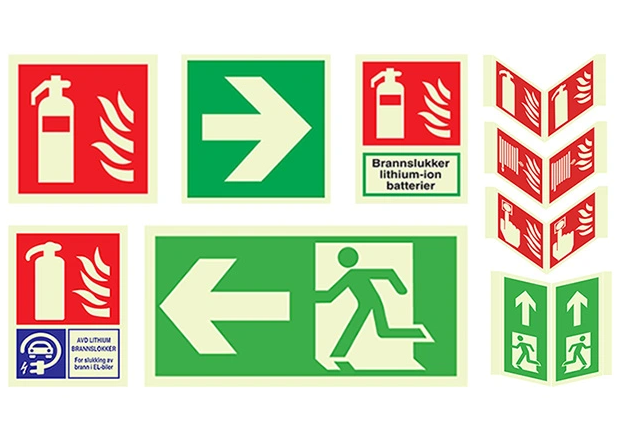
Building owners and facility managers face increasing pressure to implement safety measures that meet stringent regulatory standards while providing cost-effective solutions. Traditional emergency lighting systems, while functional, often require extensive electrical infrastructure and ongoing maintenance costs that can strain operational budgets. Photoluminescent exit signs offer a revolutionary alternative that combines superior performance with minimal maintenance requirements, making them an attractive investment for forward-thinking property managers.
Understanding Photoluminescent Technology in Safety Applications
The Science Behind Photoluminescent Materials
Photoluminescent technology operates on the principle of energy absorption and gradual release through specialized materials that capture ambient light during normal conditions. These materials, typically composed of strontium aluminate compounds, store photons from artificial or natural light sources and slowly emit this energy as visible light over extended periods. The charging process occurs continuously during normal building operations, ensuring photoluminescent exit signs remain ready to provide illumination when primary power systems fail.
The effectiveness of photoluminescent materials depends on several factors including the quality of the phosphorescent compounds, the duration of light exposure during charging periods, and the intensity of ambient lighting conditions. High-quality photoluminescent exit signs can maintain visible illumination for up to 12 hours after initial charging, providing extended safety coverage during prolonged emergency situations. This extended glow duration significantly exceeds the performance capabilities of traditional battery-powered emergency lighting systems.
Advantages Over Traditional Emergency Lighting
Unlike conventional emergency lighting systems that depend on backup batteries or generator power, photoluminescent exit signs operate independently of electrical infrastructure. This independence eliminates potential failure points associated with battery degradation, wiring issues, or power supply interruptions that can compromise traditional emergency lighting systems. The reliability factor becomes particularly crucial in older buildings where electrical systems may be more susceptible to failure during emergency conditions.
Maintenance requirements for photoluminescent exit signs are minimal compared to battery-powered alternatives, which require regular testing, battery replacement, and electrical system inspections. Property managers can significantly reduce ongoing operational costs while maintaining compliance with safety regulations through the implementation of photoluminescent safety signage systems. The long-term cost savings often justify the initial investment within the first few years of operation.
Regulatory Compliance and Building Code Requirements
International Fire Safety Standards
Fire safety authorities worldwide have recognized the effectiveness of photoluminescent exit signs, leading to their inclusion in major building codes and safety standards. The International Building Code, NFPA Life Safety Code, and various regional regulations now specifically address photoluminescent egress marking systems as acceptable alternatives to traditional emergency lighting. These regulatory frameworks establish minimum performance criteria, installation requirements, and maintenance standards that ensure consistent safety outcomes across different building types and occupancy classifications.
Compliance with these standards requires careful attention to factors such as sign placement height, viewing distances, character size, and luminance levels after specific charging and decay periods. Building owners must ensure their photoluminescent exit signs meet or exceed the photometric performance requirements outlined in applicable codes. Regular compliance audits and documentation help maintain regulatory standing while protecting building occupants and limiting liability exposure for property owners.
Implementation Strategies for Different Building Types
Commercial office buildings, healthcare facilities, educational institutions, and industrial complexes each present unique challenges for emergency egress systems. Photoluminescent exit signs can be adapted to meet the specific requirements of different building types through strategic placement, sizing, and supplementary wayfinding elements. High-rise buildings may require additional stair marking systems, while hospitals need specialized directional indicators for complex corridor layouts.
The flexibility of photoluminescent technology allows for customized solutions that address specific architectural features, occupancy patterns, and emergency evacuation procedures. Building designers can integrate photoluminescent exit signs seamlessly into architectural elements while maintaining aesthetic appeal and functional performance. This integration capability makes photoluminescent systems particularly attractive for new construction projects and major renovation initiatives.
Installation Considerations and Best Practices
Strategic Placement for Maximum Effectiveness
Proper placement of photoluminescent exit signs requires careful analysis of building layout, traffic patterns, and potential evacuation routes to ensure optimal visibility during emergency conditions. Signs should be positioned at decision points where occupants must choose between different egress paths, with clear sight lines that remain unobstructed by furniture, equipment, or architectural features. The viewing angle and mounting height must comply with accessibility requirements while maximizing visibility for occupants of varying heights and physical capabilities.
Charging light conditions play a crucial role in determining optimal placement locations for photoluminescent exit signs throughout building spaces. Areas with insufficient ambient lighting may require supplementary charging lights or alternative placement strategies to ensure adequate energy absorption during normal operations. Professional lighting assessments help identify potential dark zones where photoluminescent materials may not receive adequate charging exposure, allowing for proactive solutions that maintain system effectiveness.
Integration with Existing Safety Systems
Modern buildings typically incorporate multiple safety systems including fire alarm networks, sprinkler systems, emergency communication devices, and traditional emergency lighting infrastructure. Photoluminescent exit signs can complement these existing systems without requiring extensive modifications or system integration efforts. The passive nature of photoluminescent technology means it operates independently while providing backup visualization when active systems may be compromised.
Coordination with building management systems allows facility operators to monitor the performance of photoluminescent exit signs through regular inspection protocols and maintenance schedules. While these signs do not require electrical connections, they benefit from systematic cleaning, damage assessment, and luminance testing to ensure continued compliance with safety standards. Documentation of these maintenance activities supports regulatory compliance and provides evidence of due diligence in emergency preparedness planning.
Economic Benefits and Return on Investment
Long-term Cost Analysis
The financial advantages of photoluminescent exit signs become apparent when comparing total ownership costs over typical building lifecycles. Initial procurement costs are often comparable to high-quality traditional emergency lighting systems, but ongoing operational expenses are significantly reduced due to the elimination of battery replacement, electrical maintenance, and energy consumption. This cost structure provides predictable budget planning advantages for facility managers operating under tight financial constraints.
Energy savings from photoluminescent exit signs contribute to overall building sustainability goals while reducing operational overhead. Buildings seeking LEED certification or other green building standards can benefit from the reduced energy consumption associated with photoluminescent safety systems. The environmental impact reduction supports corporate sustainability initiatives while providing tangible cost benefits that improve property profitability over time.
Risk Mitigation and Liability Reduction
Property owners face significant liability exposure when emergency egress systems fail during critical situations, potentially resulting in injury claims, regulatory penalties, and insurance complications. Photoluminescent exit signs provide additional layers of safety redundancy that reduce these risks by ensuring visibility even when primary and backup power systems are compromised. This risk mitigation value often justifies the investment in photoluminescent systems from a pure risk management perspective.
Insurance providers increasingly recognize the safety benefits of photoluminescent emergency egress systems, with some offering premium reductions for buildings that implement comprehensive photoluminescent safety programs. These insurance incentives can provide immediate financial benefits that offset installation costs while providing long-term premium savings. Risk assessment professionals often recommend photoluminescent exit signs as part of comprehensive emergency preparedness strategies that demonstrate proactive safety management.
Performance Characteristics and Quality Standards
Luminance Requirements and Testing Protocols
Quality photoluminescent exit signs must meet specific luminance requirements measured in millicandela per square meter at various time intervals following the cessation of charging light exposure. Industry standards typically require minimum luminance levels of 15 mcd/m² after 60 minutes and 2.0 mcd/m² after 600 minutes to ensure adequate visibility throughout emergency evacuation periods. These performance standards ensure photoluminescent exit signs provide consistent safety benefits regardless of manufacturer or installation location.
Testing protocols for photoluminescent materials involve controlled laboratory conditions that simulate real-world charging and decay cycles under various environmental conditions. Temperature, humidity, and light exposure variations can affect the performance of photoluminescent compounds, making rigorous testing essential for reliable field performance. Building owners should verify that their photoluminescent exit signs have been tested and certified according to relevant industry standards before installation.
Environmental Durability and Longevity
Modern photoluminescent exit signs are designed to withstand challenging environmental conditions including temperature fluctuations, humidity variations, and exposure to cleaning chemicals commonly used in commercial buildings. The substrate materials and protective coatings must maintain their integrity over decades of service life while preserving the photoluminescent properties of the active compounds. Quality manufacturers provide warranties that guarantee performance for 10-25 years under normal operating conditions.
Durability testing includes exposure to UV radiation, thermal cycling, chemical resistance, and mechanical stress to ensure photoluminescent exit signs maintain their appearance and functionality throughout their service life. Buildings in harsh climates or specialized environments such as healthcare facilities may require additional protective features or specialized materials to ensure long-term performance. Professional specification assistance helps identify the appropriate product grades for specific environmental challenges.
FAQ
How long do photoluminescent exit signs glow after the lights go out
High-quality photoluminescent exit signs typically provide visible illumination for 8-12 hours after normal lighting is extinguished, with the brightest glow occurring during the first few hours of the decay period. The actual glow duration depends on the quality of the photoluminescent materials, the amount of charging light exposure received, and environmental conditions such as temperature and humidity. Most building codes require photoluminescent signs to maintain specific minimum luminance levels for at least 90 minutes to ensure adequate emergency egress visibility.
What maintenance is required for photoluminescent exit signs
Photoluminescent exit signs require minimal maintenance compared to traditional emergency lighting systems, with primary maintenance activities including periodic cleaning to remove dust and debris that could block charging light exposure or reduce visibility. Regular visual inspections should check for physical damage, proper mounting, and adequate ambient lighting conditions for charging. Unlike battery-powered emergency lights, photoluminescent exit signs do not require electrical testing, battery replacement, or complex maintenance procedures, making them extremely cost-effective to maintain over their service life.
Are photoluminescent exit signs suitable for all building types
Photoluminescent exit signs can be effectively implemented in most commercial, institutional, and residential building types, though specific applications may require customized solutions to address unique architectural or operational challenges. Buildings with adequate ambient lighting for charging photoluminescent materials are ideal candidates, while spaces with limited natural or artificial light may need supplementary charging lights or alternative placement strategies. Professional assessment of lighting conditions and egress requirements helps determine the most appropriate photoluminescent solution for each specific building application.
Do photoluminescent exit signs meet fire safety code requirements
Photoluminescent exit signs are recognized by major fire safety codes including the International Building Code, NFPA Life Safety Code, and various regional regulations as acceptable alternatives to traditional emergency lighting systems when properly specified and installed. Compliance requires selecting products that meet specific photometric performance standards and following proper installation guidelines for placement, mounting height, and viewing distances. Building owners should verify that their chosen photoluminescent exit signs carry appropriate certifications and comply with local fire safety authority requirements to ensure regulatory compliance and occupant safety.