EN
EN




The luminescent materials industry has undergone remarkable transformations over the past century, with glow powder technology advancing from basic zinc sulfide compounds to sophisticated strontium aluminate formulations that deliver exceptional brightness and duration. Modern glow powder applications span across safety equipment, decorative arts, emergency signage, and specialized industrial coatings, revolutionizing how we harness and utilize photoluminescent properties in countless commercial and consumer products.
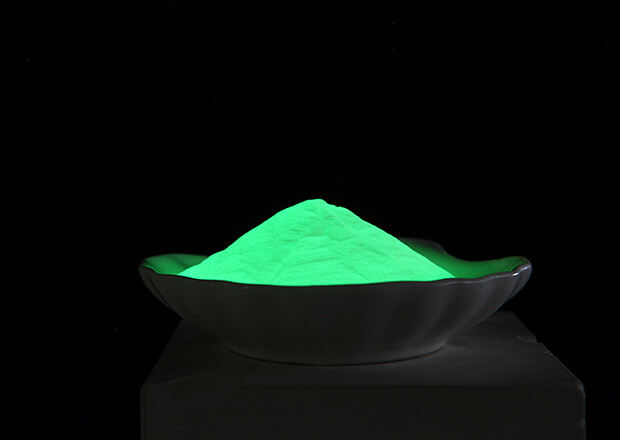
Historical Development of Luminescent Materials
Early Zinc Sulfide Discoveries
The first commercial glow powder emerged in the early 1900s when researchers discovered that zinc sulfide activated with copper could produce a visible afterglow when exposed to light sources. These pioneering formulations represented a breakthrough in phosphorescent technology, though their performance was limited by short glow duration and relatively dim output compared to contemporary standards. Early applications included watch dials, instrument panels, and novelty items that capitalized on the mysterious glowing effect.
Manufacturing processes during this era were rudimentary, involving high-temperature calcination methods that often resulted in inconsistent particle sizes and luminescent properties. The zinc sulfide glow powder of this period typically provided only 30-60 minutes of visible afterglow, making it suitable primarily for short-term applications where extended luminosity was not critical.
Radium-Based Formulations and Safety Concerns
During the mid-20th century, some manufacturers incorporated radium compounds into glow powder formulations to achieve continuous luminescence without requiring external light activation. These radioactive materials produced consistent glowing effects but posed significant health risks to workers and end users, leading to widespread regulatory restrictions and eventual prohibition in consumer products.
The dangers associated with radium-based glow powder became apparent through documented cases of radiation exposure among factory workers, particularly those involved in painting watch dials and instrument faces. This public health crisis prompted extensive research into safer alternatives and stricter oversight of luminescent material manufacturing processes.
Modern Strontium Aluminate Innovations
Advanced Chemical Compositions
Contemporary glow powder technology centers around strontium aluminate compounds co-doped with rare earth elements like europium and dysprosium, delivering dramatically improved performance characteristics compared to historical formulations. These advanced materials can maintain visible luminosity for 8-12 hours after initial light charging, representing a quantum leap in afterglow duration and intensity.
The superior performance of modern glow powder stems from optimized crystal structures that efficiently trap and slowly release absorbed photons. Manufacturing techniques now employ precise temperature control, atmospheric conditions, and dopant concentrations to achieve consistent particle morphology and enhanced photoluminescent properties across production batches.
Particle Engineering and Surface Treatments
Modern production methods focus extensively on particle size optimization, with most high-performance glow powder featuring controlled distributions between 10-50 microns for optimal light absorption and emission characteristics. Surface coating technologies using silica or polymer encapsulation protect the luminescent crystals from moisture, chemical degradation, and mechanical damage during processing and application.
These engineering advances enable glow powder to maintain stable performance across diverse environmental conditions, including exposure to humidity, temperature fluctuations, and chemical solvents commonly encountered in industrial coating applications. Enhanced durability translates directly into longer service life and more reliable performance in critical safety applications.
Industrial Applications and Performance Standards
Safety and Emergency Lighting Systems
The evolution of glow powder has enabled sophisticated emergency egress systems that provide reliable illumination during power outages or emergency evacuations. Modern photoluminescent safety markers incorporate high-performance glow powder to meet stringent international standards for brightness levels, afterglow duration, and environmental resistance in commercial and industrial facilities.
Current safety applications require glow powder formulations that maintain minimum luminance thresholds for specific time periods, typically measuring performance in millicandelas per square meter over designated intervals. These specifications ensure adequate visibility for safe navigation through darkened corridors, stairwells, and exit routes during emergency situations.
Decorative and Consumer Products
Consumer markets have embraced advanced glow powder technology in numerous decorative applications, from architectural coatings and artistic installations to toys and novelty items that showcase extended luminosity periods. High-quality glow powder enables creative applications that were impossible with earlier formulations, supporting vibrant colors and long-lasting effects that enhance user experience and aesthetic appeal.
The versatility of modern glow powder allows incorporation into various carrier systems, including water-based paints, solvent-based coatings, plastics, ceramics, and textile treatments. This compatibility enables manufacturers to develop innovative products that meet specific performance requirements while maintaining cost-effectiveness and production scalability.
Manufacturing Excellence and Quality Control
Production Process Optimization
Contemporary glow powder manufacturing employs sophisticated process controls to ensure consistent quality and performance across production runs. High-temperature synthesis processes require precise atmospheric control, raw material purity, and cooling rate management to achieve optimal crystal formation and dopant distribution within the strontium aluminate matrix.
Quality assurance protocols include comprehensive testing of luminance intensity, afterglow duration, particle size distribution, and chemical stability to verify that each batch meets established performance specifications. Advanced analytical techniques enable manufacturers to correlate processing parameters with final product characteristics, facilitating continuous improvement in glow powder formulations.
Environmental Considerations and Sustainability
Modern glow powder production emphasizes environmental responsibility through the elimination of toxic materials, energy-efficient manufacturing processes, and recyclable packaging solutions. Current formulations avoid heavy metals and radioactive compounds, focusing instead on naturally occurring elements that pose minimal environmental risks during production, use, and disposal.
Sustainable manufacturing practices include waste heat recovery, emission control systems, and raw material sourcing from responsible suppliers committed to environmental stewardship. These initiatives align with global trends toward reduced environmental impact while maintaining the high performance standards demanded by industrial and consumer applications.
Future Developments and Emerging Technologies
Nanotechnology Integration
Research into nanotechnology applications promises to further enhance glow powder performance through engineered nanoparticles that offer improved light absorption efficiency and controlled emission characteristics. Nanostructured phosphors may enable new color options, extended afterglow periods, and reduced material requirements for equivalent brightness levels.
Advanced synthesis techniques using sol-gel processes, hydrothermal methods, and plasma processing are being explored to create glow powder with tailored properties for specific applications. These emerging technologies may enable custom formulations optimized for particular wavelength responses, temperature stability, or integration with smart materials systems.
Smart Material Integration
Future glow powder developments may incorporate responsive materials that change luminescent properties based on environmental conditions such as temperature, humidity, or chemical exposure. These smart formulations could provide visual indicators for safety monitoring, quality control, or diagnostic applications across various industries.
Integration with electronic systems through conductive additives or embedded sensors may enable glow powder products that communicate performance status, charge levels, or maintenance requirements to connected monitoring systems. Such innovations could revolutionize applications in critical infrastructure, transportation safety, and industrial process monitoring.
FAQ
How long does modern glow powder maintain visible luminosity compared to older formulations
Contemporary strontium aluminate glow powder typically maintains visible afterglow for 8-12 hours after charging, while historical zinc sulfide formulations provided only 30-60 minutes of luminosity. This dramatic improvement results from advanced crystal structures and rare earth dopants that efficiently store and release absorbed light energy over extended periods.
What safety advantages do current glow powder formulations offer over historical products
Modern glow powder eliminates the radioactive materials used in some mid-20th century products, instead relying on non-toxic strontium aluminate compounds that pose no radiation exposure risks. Current formulations meet strict safety standards for consumer and industrial applications while delivering superior performance characteristics.
Can glow powder be customized for specific industrial applications and performance requirements
Yes, modern glow powder can be engineered with specific particle sizes, emission colors, afterglow durations, and environmental resistance properties to meet precise application requirements. Manufacturers can adjust crystal compositions, dopant concentrations, and surface treatments to optimize performance for particular use cases ranging from safety systems to decorative applications.
What factors influence the charging efficiency and afterglow performance of glow powder products
Charging efficiency depends on light source intensity, exposure duration, and wavelength compatibility with the glow powder absorption spectrum. Afterglow performance is influenced by ambient temperature, humidity levels, and the quality of the photoluminescent material formulation, with higher-grade glow powder maintaining superior brightness and duration under varied environmental conditions.
Table of Contents
- Historical Development of Luminescent Materials
- Modern Strontium Aluminate Innovations
- Industrial Applications and Performance Standards
- Manufacturing Excellence and Quality Control
- Future Developments and Emerging Technologies
-
FAQ
- How long does modern glow powder maintain visible luminosity compared to older formulations
- What safety advantages do current glow powder formulations offer over historical products
- Can glow powder be customized for specific industrial applications and performance requirements
- What factors influence the charging efficiency and afterglow performance of glow powder products