EN
EN




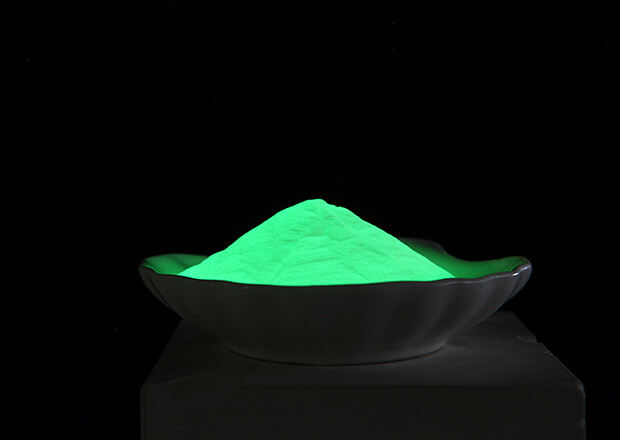
Artists and creative professionals are discovering revolutionary ways to transform their work using luminescent materials that capture light during the day and emit an ethereal glow during darkness. Glow in the dark powder has emerged as a versatile medium that opens infinite possibilities for artistic expression, allowing creators to add dimension, mystery, and interactivity to their projects. This photoluminescent material absorbs ambient light energy and releases it slowly over time, creating stunning visual effects that captivate viewers and transform ordinary artworks into extraordinary experiences. From traditional painting techniques to modern mixed-media installations, glow in the dark powder provides artists with a unique tool that bridges the gap between day and night aesthetics.
Understanding Photoluminescent Materials in Art
Scientific Properties and Artistic Applications
The foundation of successful artistic applications lies in understanding how glow in the dark powder functions at a molecular level. These materials contain phosphorescent compounds, typically zinc sulfide or strontium aluminate, which absorb photons from various light sources and store this energy in their crystal structure. When ambient light diminishes, these stored photons are gradually released, creating the characteristic glow effect that can last several hours. Artists can manipulate this process by controlling exposure time, light intensity, and powder concentration to achieve desired luminescence levels in their work.
The particle size of glow in the dark powder significantly impacts its artistic properties and final appearance. Fine particles integrate seamlessly into paint mediums and create smooth, even glowing surfaces, while coarser particles provide textural elements that add depth and visual interest to artworks. Understanding these characteristics allows artists to select appropriate powder grades for specific techniques, whether creating subtle accent details or bold, dramatic focal points that command attention in gallery spaces.
Color Variations and Mixing Techniques
Modern glow in the dark powder comes in numerous color variations, expanding creative possibilities beyond traditional green phosphorescence. Blue, aqua, yellow, orange, and pink varieties offer artists a full spectrum of luminescent colors that can be combined, layered, or strategically placed to create complex color relationships. Each color exhibits different glow intensities and decay rates, allowing artists to orchestrate temporal light shows where different elements appear and fade at varying speeds throughout the evening hours.
Mixing multiple colors of glow in the dark powder requires careful consideration of pigment compatibility and charge retention properties. Artists often create gradient effects by blending different colored powders in varying ratios, producing smooth transitions that shift dynamically as the glow intensity changes over time. Advanced practitioners develop signature color combinations that become recognizable elements of their artistic style, establishing unique visual languages that distinguish their work in contemporary art markets.
Traditional Art Medium Integration
Oil and Acrylic Paint Enhancement
Incorporating glow in the dark powder into traditional painting mediums requires understanding proper mixing ratios and application techniques to maintain both artistic quality and luminescent properties. Oil painters typically add the powder during the medium preparation stage, ensuring thorough distribution throughout the paint mixture without compromising the binder's adhesion properties. The optimal ratio generally ranges from 10% to 30% powder by volume, depending on desired glow intensity and paint transparency requirements for specific artistic effects.
Acrylic painters benefit from the powder's compatibility with water-based mediums, which allows for easier cleanup and faster experimentation with different concentration levels. The quick-drying nature of acrylics enables artists to build up multiple luminescent layers rapidly, creating complex depth and texture combinations that reveal themselves differently under various lighting conditions. Professional artists often prepare custom acrylic mediums infused with glow in the dark powder, creating signature materials that become integral to their creative process and artistic identity.
Watercolor and Mixed Media Applications
Watercolor artists face unique challenges when incorporating glow in the dark powder due to the medium's transparent nature and water-based composition. Successful integration requires careful attention to particle suspension and even distribution throughout the pigment mixture to prevent settling and uneven glow patterns. Many artists create custom watercolor preparations by grinding the powder with traditional pigments and gum arabic binder, producing luminescent watercolors that maintain the medium's characteristic flow and blending properties.
Mixed media artists find glow in the dark powder particularly versatile for creating multi-dimensional works that incorporate various materials and techniques. The powder adheres well to textured surfaces, fabric elements, and three-dimensional objects, allowing artists to create installations that transform entirely when ambient lighting changes. This versatility makes it an excellent choice for experimental artists exploring the boundaries between traditional and contemporary art forms.
Contemporary Digital Art Integration
Photography and Light Painting Techniques
Digital photographers are increasingly incorporating glow in the dark powder into their creative workflows to produce unique imagery that captures both natural and artificial light sources. Light painting techniques benefit significantly from the powder's ability to hold and release energy, creating ghostly trails and ethereal effects that enhance long-exposure compositions. Photographers often apply the glow in the dark powder to various surfaces within their compositions, creating interactive elements that respond to camera flash or ambient lighting conditions during shooting sessions.
The temporal aspect of photoluminescence adds a dynamic element to photographic storytelling, where subjects and backgrounds reveal hidden details as natural light fades. Documentary photographers working in urban environments use glow in the dark powder to highlight architectural features or create wayfinding elements that become visible during blue hour photography sessions. This technique bridges traditional documentary approaches with contemporary artistic expression, producing images that exist simultaneously in multiple temporal states.
Projection Mapping and Interactive Installations
Contemporary artists working with projection mapping technology discover new creative possibilities when combining digital projections with surfaces treated with glow in the dark powder. The powder acts as a temporary storage medium for projected light energy, creating afterimage effects that persist after projections end, essentially creating a hybrid analog-digital artwork that evolves continuously. This technique allows artists to create responsive environments where audience interaction with projection triggers influence both immediate digital effects and longer-lasting phosphorescent displays.
Interactive installation artists leverage the powder's energy storage properties to create works that respond to visitor presence and movement patterns throughout exhibition spaces. Motion sensors can trigger targeted light sources that charge specific areas treated with glow in the dark powder, creating personalized light experiences that reflect individual visitor journeys through the artwork. These installations often become social spaces where multiple visitors contribute to collective luminescent displays that evolve throughout exhibition periods.
Sculptural and Three-Dimensional Applications
Ceramic and Clay Integration
Ceramic artists incorporating glow in the dark powder into clay bodies and glazes must consider the material's behavior during firing processes and its interaction with traditional ceramic materials. The powder can be mixed directly into clay during preparation stages, creating vessels and sculptures that emit light from their entire surface area. However, firing temperatures must be carefully controlled to prevent degradation of phosphorescent properties while achieving proper ceramic maturation and structural integrity.
Glaze applications offer more controlled integration methods, where glow in the dark powder is suspended in transparent or translucent glaze formulations that protect the luminescent material while allowing light transmission. Advanced ceramic artists develop custom glaze recipes that balance aesthetic requirements with functional phosphorescent performance, creating tableware and decorative objects that serve dual purposes as functional items and ambient lighting elements in domestic and commercial environments.
Textile and Fiber Art Enhancement
Fiber artists and textile designers find glow in the dark powder particularly effective for creating garments and installations that transform appearance dramatically between day and night settings. The powder can be incorporated into fabric paints, screen printing inks, and fiber spinning processes to create luminescent textiles that maintain flexibility and comfort while providing unique visual effects. Fashion designers working with performance and costume applications often use these materials to create dramatic stage presence and memorable visual impact.
Traditional textile techniques such as batik, tie-dye, and fabric printing benefit from the powder's ability to bind with various fabric treatment chemicals and dyes. Contemporary fiber artists create wall hangings and soft sculptures that reveal hidden patterns and imagery as lighting conditions change throughout exhibition spaces. The material's washability and durability make it suitable for both artistic applications and practical textile products that maintain their luminescent properties through regular use and cleaning cycles.
Safety Considerations and Best Practices
Health and Safety Protocols
Working safely with glow in the dark powder requires understanding proper handling procedures and workspace ventilation requirements to prevent inhalation and skin contact with fine particles. Artists should always wear appropriate personal protective equipment, including dust masks, safety glasses, and gloves when measuring and mixing powder quantities. Proper workspace ventilation helps prevent airborne particle accumulation and ensures comfortable working conditions during extended creative sessions involving phosphorescent materials.
Quality glow in the dark powder formulations are generally non-toxic and safe for artistic use, but artists should verify product specifications and safety data sheets before beginning projects. Proper storage in sealed containers prevents moisture absorption and maintains powder effectiveness while reducing accidental exposure risks. Artists working in shared studio spaces should clearly label containers and inform colleagues about phosphorescent material presence to prevent accidental contamination of other artistic materials and projects.
Environmental Impact and Sustainability
Environmentally conscious artists consider the lifecycle impact of glow in the dark powder in their creative practices, selecting products manufactured using sustainable processes and recyclable packaging materials. Modern phosphorescent compounds are generally more environmentally friendly than historical formulations, with reduced heavy metal content and improved biodegradability characteristics that minimize long-term environmental impact when artworks reach end-of-life disposal stages.
Waste minimization strategies include careful measurement and mixing procedures that reduce excess material disposal and proper cleanup techniques that prevent environmental contamination. Artists can extend powder longevity through proper storage and handling practices, maximizing creative output while minimizing material consumption. Some practitioners develop powder recycling systems where unused portions from completed projects are carefully collected and stored for future artistic applications.
Market Applications and Commercial Opportunities
Gallery and Exhibition Considerations
Galleries and exhibition spaces hosting artworks incorporating glow in the dark powder must consider lighting design and viewing experience optimization to showcase phosphorescent effects effectively. Proper charge lighting during daytime hours ensures optimal glow performance during evening events and private viewings. Exhibition designers often create transitional lighting schemes that gradually reduce ambient illumination, allowing visitors to experience the full transformation as artworks begin glowing in darkened gallery spaces.
Installation and maintenance requirements for luminescent artworks include regular recharging protocols and protective measures that prevent powder degradation from excessive handling or environmental exposure. Gallery staff training ensures proper artwork care and visitor education about phosphorescent properties and optimal viewing conditions. Documentation requirements often include both daylight and low-light photography to capture the full artistic intent and transformation qualities of glow in the dark powder applications.
Commercial Art and Design Applications
Commercial artists and designers incorporate glow in the dark powder into signage, architectural elements, and product design applications where unique visual impact creates competitive advantages and memorable brand experiences. Restaurant and hospitality designers use luminescent materials to create atmospheric dining environments that evolve throughout evening service periods, enhancing customer experience and encouraging longer visit durations that benefit business operations.
Product designers working with consumer goods find glow in the dark powder valuable for creating differentiated products that stand out in competitive marketplaces. From decorative home accessories to functional safety applications, the material's versatility enables innovative product concepts that appeal to consumers seeking unique aesthetic experiences. Manufacturing partnerships with powder suppliers often yield custom formulations optimized for specific product applications and production processes.
FAQ
How long does glow in the dark powder maintain its luminescent properties in artwork
High-quality glow in the dark powder can maintain its phosphorescent properties for many years when properly incorporated into art mediums and protected from environmental degradation. The initial glow intensity typically lasts 8-12 hours after charging, with visible luminescence continuing for up to 24 hours under optimal conditions. Over time, the powder's ability to store and release light energy may gradually diminish, but quality formulations can retain effectiveness for decades when protected from moisture, extreme temperatures, and UV exposure that can break down phosphorescent compounds.
Can glow in the dark powder be mixed with any type of paint or artistic medium
Glow in the dark powder demonstrates excellent compatibility with most paint types and artistic mediums, including acrylics, oils, watercolors, and various binders. However, optimal results require attention to mixing ratios and medium properties to maintain both luminescent effectiveness and paint performance. Some mediums may require special preparation techniques or additives to ensure proper powder suspension and prevent settling. Artists should test small batches before committing to large projects to verify compatibility and achieve desired visual effects.
What charging methods work best for activating glow in the dark powder in artworks
Natural sunlight provides the most effective charging for glow in the dark powder, typically requiring 15-30 minutes of direct exposure for full activation. Artificial light sources including LED lights, fluorescent bulbs, and incandescent lighting can also charge phosphorescent materials, though charging times may vary based on light intensity and spectrum. UV lights offer rapid charging capabilities but should be used carefully to prevent damage to other artwork components. Artists often design charging protocols into their exhibition plans to ensure optimal glow performance during viewing periods.
Are there any limitations on artwork size when using glow in the dark powder
Glow in the dark powder applications scale effectively from small detailed work to large architectural installations without significant technical limitations. Large-scale projects may require careful planning for uniform powder distribution and consistent charging across entire surface areas. Cost considerations become more significant for extensive applications, but the material's effectiveness remains consistent regardless of project scale. Artists working on outdoor installations should consider environmental protection measures to maintain powder performance over extended exposure periods while ensuring adequate charging light access for optimal luminescent display.
Table of Contents
- Understanding Photoluminescent Materials in Art
- Traditional Art Medium Integration
- Contemporary Digital Art Integration
- Sculptural and Three-Dimensional Applications
- Safety Considerations and Best Practices
- Market Applications and Commercial Opportunities
-
FAQ
- How long does glow in the dark powder maintain its luminescent properties in artwork
- Can glow in the dark powder be mixed with any type of paint or artistic medium
- What charging methods work best for activating glow in the dark powder in artworks
- Are there any limitations on artwork size when using glow in the dark powder