EN
EN



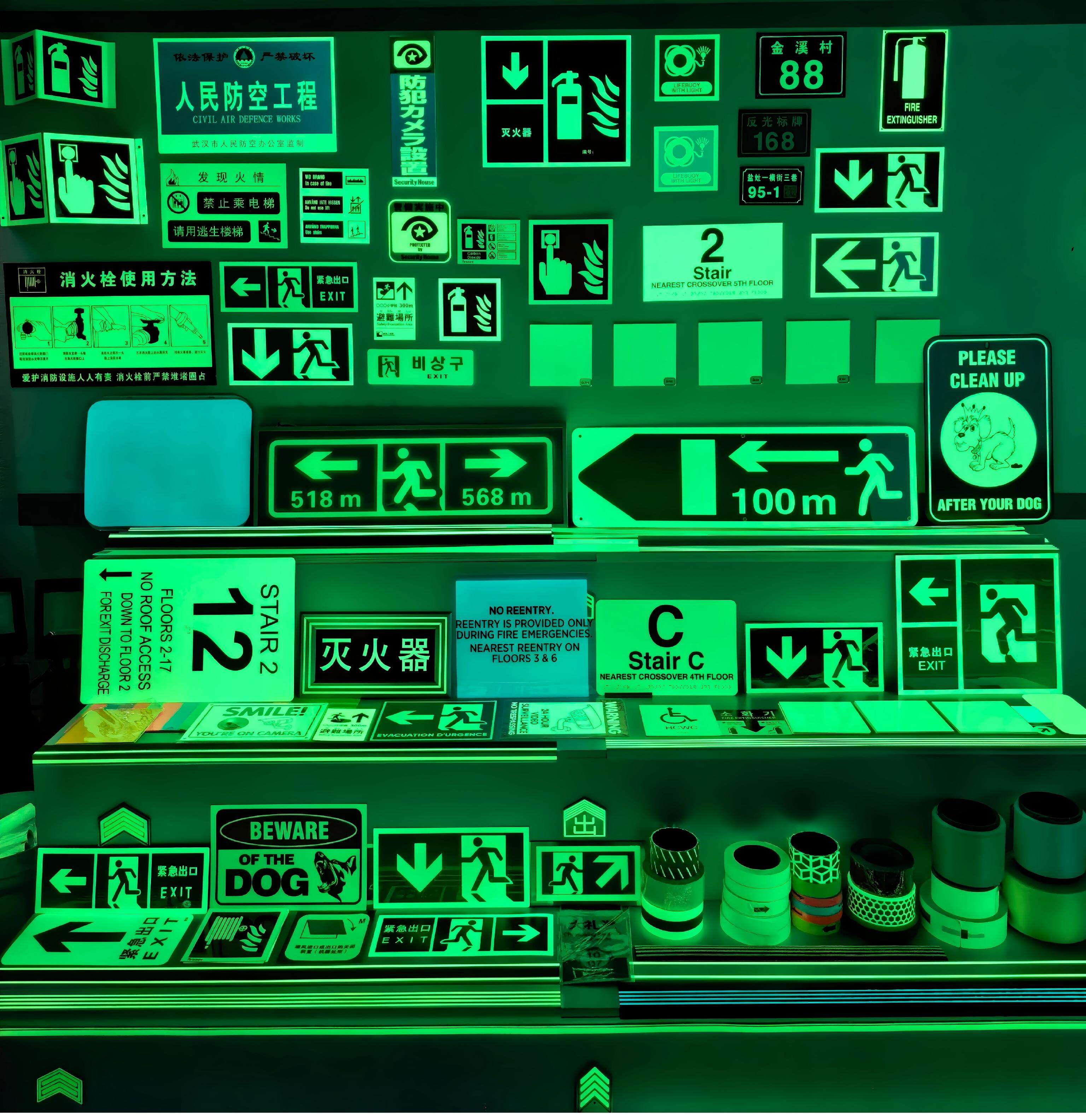
Creating custom glow effects through luminous powder blending represents both an art and a science that combines chemistry, color theory, and practical application techniques. Professional artists, manufacturers, and hobbyists alike are discovering the transformative power of custom-blended luminous powder formulations that deliver precisely tailored visual effects for specific applications. The process involves understanding phosphorescent materials at a molecular level while developing practical skills in measurement, mixing, and quality control that ensure consistent, repeatable results across different projects and production runs.
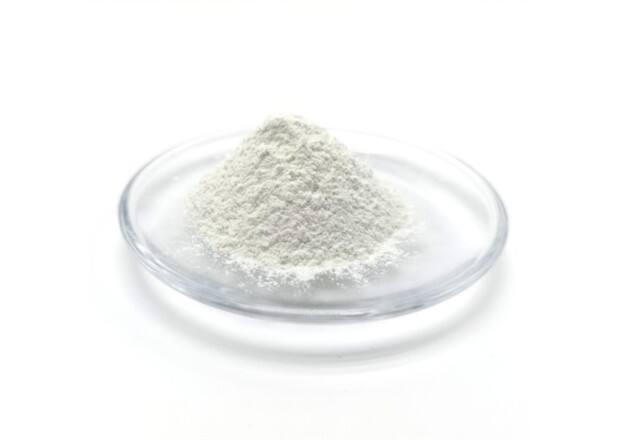
The fundamental challenge in luminous powder blending lies in achieving the desired luminous intensity, color accuracy, and duration while maintaining compatibility with the intended medium or substrate. Different phosphorescent compounds exhibit unique charging characteristics, emission spectra, and decay rates that must be carefully considered when creating custom formulations. Professional-grade luminous powder systems require precise particle size distribution control, chemical stability assessment, and thorough testing protocols to ensure the final blend meets specific performance criteria for brightness, longevity, and environmental resistance in real-world applications.
Understanding Phosphorescent Material Properties
Particle Size and Distribution Characteristics
The particle size of luminous powder directly influences both the charging efficiency and the visual appearance of the final glow effect. Finer particles, typically ranging from 10 to 50 microns, provide smoother surface finishes and more even light distribution but may exhibit shorter glow duration due to increased surface area exposure. Coarser particles, extending from 75 to 200 microns, deliver more intense initial brightness and longer-lasting glow effects but can create texture variations that may be undesirable in certain applications. Professional blending requires understanding how different particle sizes interact within a mixture and how the overall size distribution affects the charging and emission characteristics of the final formulation.
When creating custom luminous powder blends, maintaining consistent particle size distribution becomes critical for achieving uniform glow effects across large surfaces or multiple production batches. The mixing process itself can alter particle distribution through mechanical breakdown or agglomeration, requiring careful selection of blending equipment and operational parameters. High-shear mixing may fracture larger particles and create dust, while gentle tumbling methods preserve original particle integrity but require longer processing times to achieve homogeneous distribution throughout the blend.
Emission Spectrum and Color Matching
Each type of luminous powder exhibits a characteristic emission spectrum that determines the perceived color of the glow effect under various lighting conditions. Strontium aluminate-based compounds typically produce blue-green emissions with peak wavelengths around 520 nanometers, while zinc sulfide formulations generate yellow-green light centered near 530 nanometers. Understanding these spectral characteristics enables precise color matching and the creation of custom colors through strategic blending of different phosphorescent compounds with complementary emission properties.
Advanced color matching in luminous powder applications requires consideration of both the daylight appearance and the glow characteristics of the final blend. A mixture that appears neutral white under ambient lighting may exhibit distinct color shifts when glowing, due to the specific emission spectra of the constituent phosphorescent materials. Professional color development involves testing multiple blend ratios under controlled lighting conditions and measuring both reflectance and luminescence properties to ensure the final formulation meets precise color specifications throughout its operational cycle.
Blending Techniques and Equipment Selection
Mechanical Mixing Methods
Achieving uniform distribution of luminous powder components requires careful selection of mixing equipment and operational parameters that prevent material degradation while ensuring thorough homogenization. Ribbon blenders and paddle mixers work effectively for dry blending operations, providing gentle mixing action that preserves particle integrity while achieving statistical uniformity across the batch. The mixing time, blade speed, and fill level must be optimized for each specific formulation to prevent over-mixing, which can lead to particle breakdown and reduced glow performance in the final product.
For applications requiring wet blending or incorporation into liquid carriers, high-speed dispersers and three-roll mills provide the necessary shear forces to break down agglomerates and achieve nanometer-level dispersion. However, excessive shear can damage the crystalline structure of phosphorescent particles, reducing their charging efficiency and glow duration. Professional formulation development includes establishing processing windows that balance dispersion quality with material preservation, often requiring multiple mixing stages with progressively increasing shear levels to achieve optimal results.
Quality Control and Batch Consistency
Maintaining consistent quality across different production batches of custom luminous powder blends requires implementing rigorous quality control protocols that monitor both chemical and physical properties. Particle size analysis using laser diffraction techniques ensures that the size distribution remains within specified tolerances, while photoluminescence testing verifies that the glow characteristics meet performance requirements. Each batch should undergo standardized charging and measurement procedures using calibrated light sources and photometers to establish baseline performance metrics.
Documentation and traceability become essential elements of professional luminous powder production, enabling identification of process variations that may affect final product performance. Detailed batch records should include raw material lot numbers, mixing parameters, environmental conditions, and complete test results to facilitate troubleshooting and continuous improvement efforts. Statistical process control techniques help identify trends and variations that may require process adjustments to maintain consistent quality standards.
Application-Specific Formulation Development
Medium Compatibility and Integration
The successful integration of luminous powder into specific application media requires understanding the chemical and physical interactions between phosphorescent particles and the carrier system. Water-based systems may require surface-treated particles to prevent agglomeration and settling, while solvent-based formulations need compatibility assessment to avoid chemical reactions that could degrade phosphorescent performance. The viscosity, pH, and ionic strength of the carrier medium all influence particle dispersion stability and long-term performance characteristics of the final luminous formulation.
Polymer matrix systems present unique challenges for luminous powder integration, as the curing or cross-linking process can trap particles and affect their charging accessibility. Thermoplastic applications require temperature stability assessment to ensure that processing temperatures do not damage the phosphorescent crystalline structure. Thermoset systems may generate exothermic reactions that could affect particle performance, necessitating careful formulation design and processing parameter optimization to maintain glow effectiveness throughout the manufacturing process.
Environmental Durability Considerations
Custom luminous powder formulations must be designed to withstand specific environmental conditions encountered in their intended applications. Outdoor applications require UV stability assessment, moisture resistance evaluation, and thermal cycling testing to ensure long-term performance under varying weather conditions. Indoor applications may face challenges from artificial lighting, chemical exposure, or mechanical wear that could affect glow performance over time. Each application environment requires specific testing protocols to validate formulation durability and establish realistic performance expectations.
The selection of protective coatings and encapsulation methods becomes critical for extending the service life of luminous powder applications in harsh environments. Silicone-based coatings provide excellent moisture and chemical resistance, while ceramic encapsulation offers superior thermal stability for high-temperature applications. The coating selection must balance protection requirements with optical transparency to ensure that charging light can reach the phosphorescent particles while emission light can escape efficiently to create the desired glow effect.
Advanced Characterization and Performance Optimization
Photoluminescence Measurement Techniques
Accurate measurement and characterization of luminous powder performance requires standardized testing protocols that account for charging conditions, measurement timing, and environmental factors. Professional-grade photometers and spectroradiometers provide quantitative data on initial brightness, decay rates, and spectral characteristics that enable objective comparison between different formulations. The charging protocol significantly affects measured performance, with factors such as light intensity, spectrum, and exposure duration all influencing the subsequent glow characteristics of the luminous powder sample.
Long-term performance evaluation involves extended testing cycles that simulate real-world usage patterns and environmental exposure conditions. Accelerated aging studies using elevated temperature and humidity conditions help predict service life and identify potential failure modes before field deployment. Automated measurement systems enable continuous monitoring of glow performance over extended periods, generating comprehensive datasets that support formulation optimization and quality assurance efforts throughout the product development cycle.
Optimization Strategies for Specific Requirements
Developing luminous powder formulations for specific performance requirements involves systematic optimization of multiple variables including particle concentration, size distribution, and chemical composition. High-brightness applications may benefit from increased loading levels and larger particle sizes, while applications requiring subtle effects might use lower concentrations and finer particles to achieve the desired visual impact. The optimization process requires balancing competing requirements such as brightness versus duration, or intensity versus color purity, to achieve the best overall performance for each specific application.
Statistical experimental design techniques enable efficient exploration of the formulation parameter space while minimizing the number of experimental trials required. Response surface methodology and factorial design approaches help identify optimal operating conditions and quantify the sensitivity of performance characteristics to formulation variables. This systematic approach accelerates development timelines while ensuring that the final formulation represents a true optimum rather than a local maximum in the performance landscape.
FAQ
What factors determine the glow duration of custom luminous powder blends?
The glow duration of luminous powder blends depends primarily on the phosphorescent compound type, particle size distribution, and concentration within the formulation. Strontium aluminate-based materials typically provide longer glow times compared to zinc sulfide alternatives, while larger particles generally exhibit extended emission durations due to reduced surface area exposure. The charging intensity and duration also significantly influence glow longevity, with stronger charging producing longer-lasting effects up to the material's saturation point.
How do environmental conditions affect luminous powder blending and performance?
Environmental factors such as humidity, temperature, and atmospheric contamination can significantly impact both the blending process and final performance of luminous powder formulations. High humidity may cause particle agglomeration during mixing and reduce charging efficiency in the final application. Temperature extremes can affect the crystalline structure of phosphorescent materials, while chemical contaminants may interact with particle surfaces and degrade glow performance over time. Controlled manufacturing environments and appropriate protective measures help maintain consistent quality and performance characteristics.
Can different types of luminous powder be mixed to create custom colors?
Yes, different luminous powder types can be blended to create custom glow colors, but the process requires careful consideration of emission spectra, particle compatibility, and performance characteristics. Each phosphorescent compound exhibits a specific emission wavelength that combines additively when mixed with other materials. However, the daylight color of the blend may differ significantly from the glow color, and some combinations may result in reduced overall brightness due to spectral interference effects between different phosphorescent compounds.
What quality control measures ensure consistent performance in luminous powder blends?
Effective quality control for luminous powder blends includes particle size analysis, photoluminescence testing, color measurement, and batch documentation protocols. Each production batch should undergo standardized charging and glow measurement procedures using calibrated equipment to verify performance specifications. Chemical analysis ensures raw material quality, while statistical process control techniques monitor trends and variations that might affect product consistency. Comprehensive documentation enables traceability and facilitates continuous improvement efforts throughout the manufacturing process.
Table of Contents
- Understanding Phosphorescent Material Properties
- Blending Techniques and Equipment Selection
- Application-Specific Formulation Development
- Advanced Characterization and Performance Optimization
-
FAQ
- What factors determine the glow duration of custom luminous powder blends?
- How do environmental conditions affect luminous powder blending and performance?
- Can different types of luminous powder be mixed to create custom colors?
- What quality control measures ensure consistent performance in luminous powder blends?