EN
EN



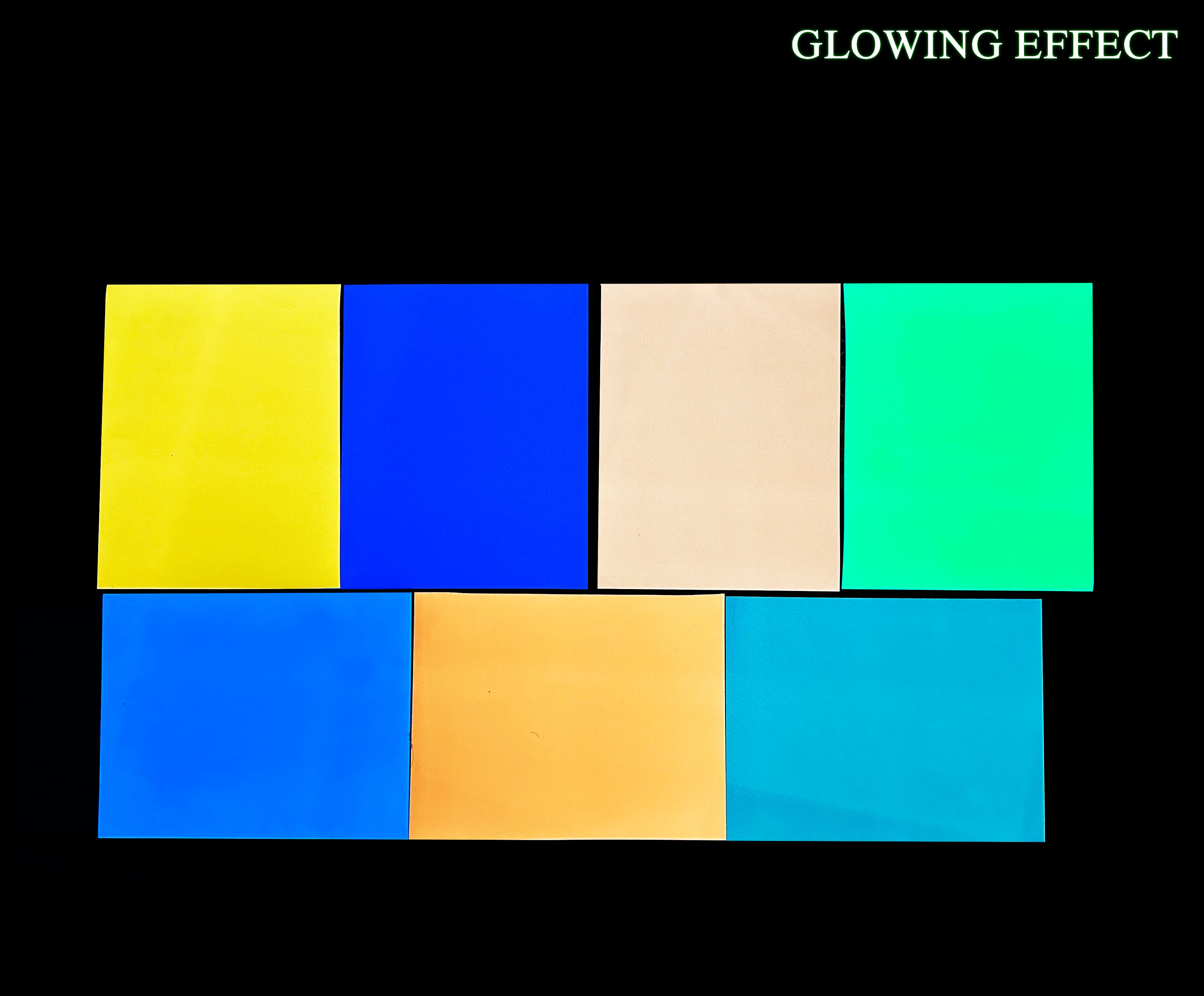
Procuring high-performance safety substrates for industrial, marine, or commercial applications requires a deep understanding of material standards and physical properties. For safety engineers and procurement officers, selecting the correct material ensures regulatory compliance, long-term durability, and maximum visibility during emergency blackouts. Photoluminescent Film has become an essential component in modern egress tracking systems, structural hazard markings, and unpowered emergency signage. However, ordering this material involves more than choosing a roll width; buyers must analyze critical technical parameters like luminance decay curves, polymer backing types, and excitation thresholds to ensure the product performs reliably when the power fails.
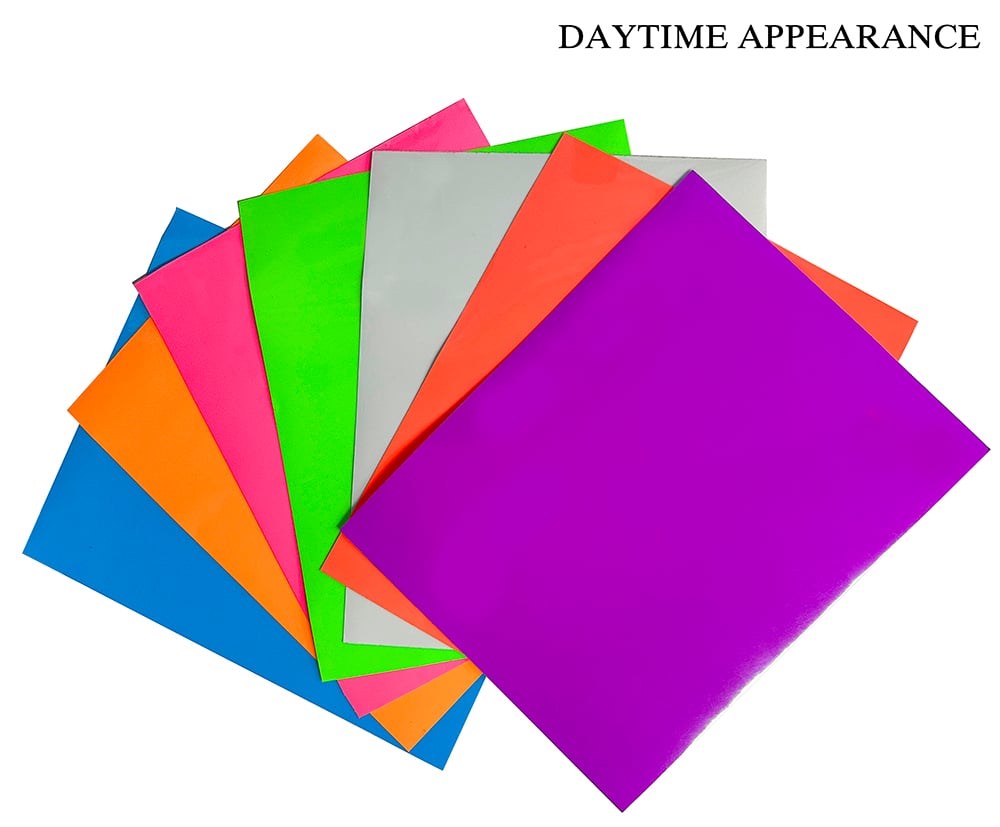
Navigating these complex technical specifications can be challenging when dealing with multiple intermediate vendors or unverified distributors. Working directly with a primary manufacturer that provides clear engineering data is the most reliable way to secure consistent materials. Our enterprise simplifies global sourcing by delivering fully validated, high-performance light-storage films tailored to meet the strict technical demands of global industrial markets.
Technical Advantages and Academic Research Collaboration
The baseline performance of advanced phosphorescent materials is fundamentally determined by the crystalline quality of the embedded pigments and the chemical stability of the host polymer. To maintain consistent innovation in our manufacturing processes, our enterprise maintains a close technical collaboration with prominent academic institutions, including the Zhejiang University of Technology. This joint research framework focuses on refining the grain boundaries of rare-earth aluminate phosphors, directly leading to materials that absorb and release ambient light energy more efficiently.
Through this active partnership with the Zhejiang University of Technology, we provide comprehensive technical support across all practical application fields. Our engineering teams help industrial buyers solve complex deployment issues, such as evaluating substrate adhesion on texturized surfaces, calculating required brightness levels for maritime low-location lighting, and conducting accelerated weathering analysis. This robust scientific backing ensures that our technical data sheets reflect verified field capabilities, allowing engineers to specify our materials with absolute confidence.
Product Advantages and Luminescence Performance Standards
When evaluating Photoluminescent Film, the most critical technical metrics are initial brightness, decay rate, and activation requirements. Our diverse product range is engineered using premium strontium aluminate chemistry, which delivers exceptionally high luminous brightness immediately following a power failure. Furthermore, these materials feature an extended long luminous duration, maintaining visible illumination through extended night shifts or prolonged building evacuations well after secondary electrical backups are exhausted.
A major engineering benefit of our formulation is its exceptionally low excitation condition requirements. The film does not require specialized high-intensity UV lamps to charge; it can achieve a full operational state under standard commercial LEDs, low-wattage fluorescent office lighting, or indirect ambient daylight. To accommodate various commercial requirements and project scales, our inventory offers an excellent cost-performance ratio, covering a full range of prices from high to low. This allows procurement managers to balance premium performance and budgetary targets by choosing between specialized chemical-resistant films or standard architectural variants.
Complete Integrated Production and Quality Testing Infrastructure
Securing consistent performance across thousands of meters of technical film requires total control over the manufacturing chain. Our enterprise operates a complete product line that handles every step of development, from raw chemical synthesis and substrate coating to precision adhesive lamination, slitting, and final product packaging. This unified infrastructure completely integrates production, research, and testing within our own specialized facilities.
By eliminating external converters or third-party contract manufacturers, we remove the risk of batch-to-batch variation that frequently disrupts industrial supply lines. Our internal testing laboratories inspect every production batch against rigid quality metrics. We carefully measure initial luminance output at ten minutes, track the long-term decay curve over twelve hours, and test adhesive shear strength on various industrial backings. This end-to-end quality validation guarantees that every roll shipped to our global partners meets exact international safety specifications.
Material Classifications and Technical Performance Matrix
To assist engineering and procurement teams in evaluating our current inventory against their project specifications, the following technical matrix details the physical properties of our primary material classifications:
| Substrate Material Class | Initial Luminance (10 mins) | Total Afterglow Duration | Minimum Activation Threshold | Flame Retardancy Standard |
| Premium Industrial Acrylic | Greater than 300 mcd/m² | 12+ Hours | 25 Lux (Standard LED/Daylight) | Class A Compliance |
| Standard Engineering PVC | Greater than 200 mcd/m² | 8–10 Hours | 50 Lux (Fluorescent/Ambient) | Class B1 Certified |
| Flexible Polyurethane (PU) | Greater than 160 mcd/m² | 6–8 Hours | 50 Lux (Low Indoor Light) | Standard Industrial |
| Utility Promotional Grade | Greater than 60 mcd/m² | 2–4 Hours | 100 Lux (Direct Illumination) | Non-Rated |
Service Advantages, Global Logistics, and Regulatory Compliance
Importing specialized industrial safety films requires a partner who understands the complexities of international trade, chemical declarations, and transport logistics. Our enterprise relies on a professional foreign trade team that manages the entire transaction process, from technical drafting to global tracking. We coordinate with top-tier international freight carriers to provide fast logistics, ensuring your materials arrive on schedule to prevent project delays.
Beyond efficient transport, our operational team handles all necessary licensing and commodity inspection approvals beforehand. Because photoluminescent products cross international borders under strict industrial classifications, incomplete documentation can cause severe delays at customs ports. Our compliance specialists prepare all material safety data sheets, regional fire certificates, and export declarations perfectly in advance. This proactive regulatory oversight guarantees seamless customs clearance, allowing your facility upgrades to proceed without administrative disruptions.
Frequently Asked Questions
Q1: What specific international standards do your photoluminescent materials meet?
Our premium acrylic and standard engineering PVC films are manufactured to comply with major international safety regulations, including those governing marine low-location lighting and building evacuation systems. We provide full testing verification documents and factory certificates with every bulk order to simplify your local building inspection and regulatory approval processes.
Q2: How does the backing material impact the application of the film?
The choice of substrate backing directly affects durability and flexibility. Our premium acrylic films offer exceptional resistance to UV exposure, saltwater spray, and harsh industrial chemicals, making them ideal for maritime decks and offshore platforms. Our PVC and PU options provide excellent flexibility for wrapping around curved pillars, machinery contours, and interior corridor walls.
Q3: Can the film be printed on for custom safety markings and arrow indicators?
Yes, our Photoluminescent Film is designed to accept various industrial printing methods, including screen printing and UV digital printing. This capability allows safety managers to print customized directional arrows, hazard text, or facility logos directly onto the glowing substrate without compromising the underlying luminescence performance.
Q4: What is the estimated functional lifespan of these films when installed indoors?
When installed indoors under standard operating conditions away from direct environmental abuse, our engineering-grade films maintain their luminescent properties and structural adhesion for over ten years. The rare-earth aluminate crystals do not degrade or lose their energy-storage capacity over time, ensuring a reliable, unpowered safety system for the long term.
Table of Contents
- Technical Advantages and Academic Research Collaboration
- Product Advantages and Luminescence Performance Standards
- Complete Integrated Production and Quality Testing Infrastructure
- Material Classifications and Technical Performance Matrix
- Service Advantages, Global Logistics, and Regulatory Compliance
-
Frequently Asked Questions
- Q1: What specific international standards do your photoluminescent materials meet?
- Q2: How does the backing material impact the application of the film?
- Q3: Can the film be printed on for custom safety markings and arrow indicators?
- Q4: What is the estimated functional lifespan of these films when installed indoors?