EN
EN



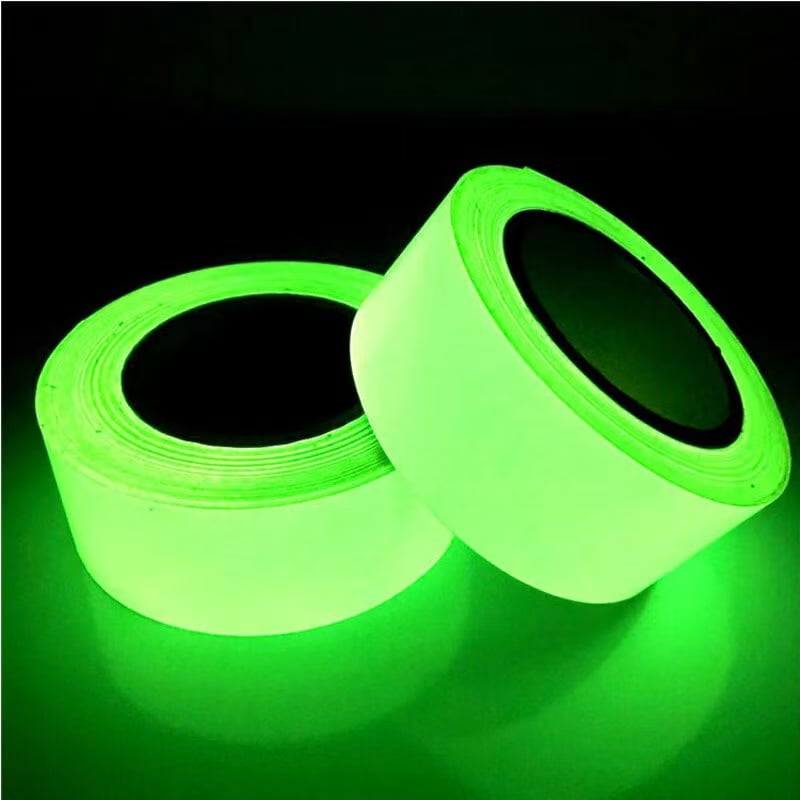
Industrial manufacturing environments, chemical processing plants, and heavy-duty warehousing facilities operate under strict regulatory codes designed to maximize worker protection and prevent operational downtime. In these high-risk settings, a reliable safety signage infrastructure is critical, particularly when emergency situations or structural fires disrupt primary electrical grids. Utilizing a heavy-duty Photoluminescent Sheet as a durable material for industrial safety applications provides an unpowered, fail-safe solution for marking evacuation pathways, low-clearance hazards, and emergency equipment locations. While often manufactured as a flexible Photoluminescent Film for standard curved surfaces, these rigid sheets offer enhanced structural stability, ensuring that critical safety warnings remains perfectly legible and highly visible even in severe, zero-light working environments.
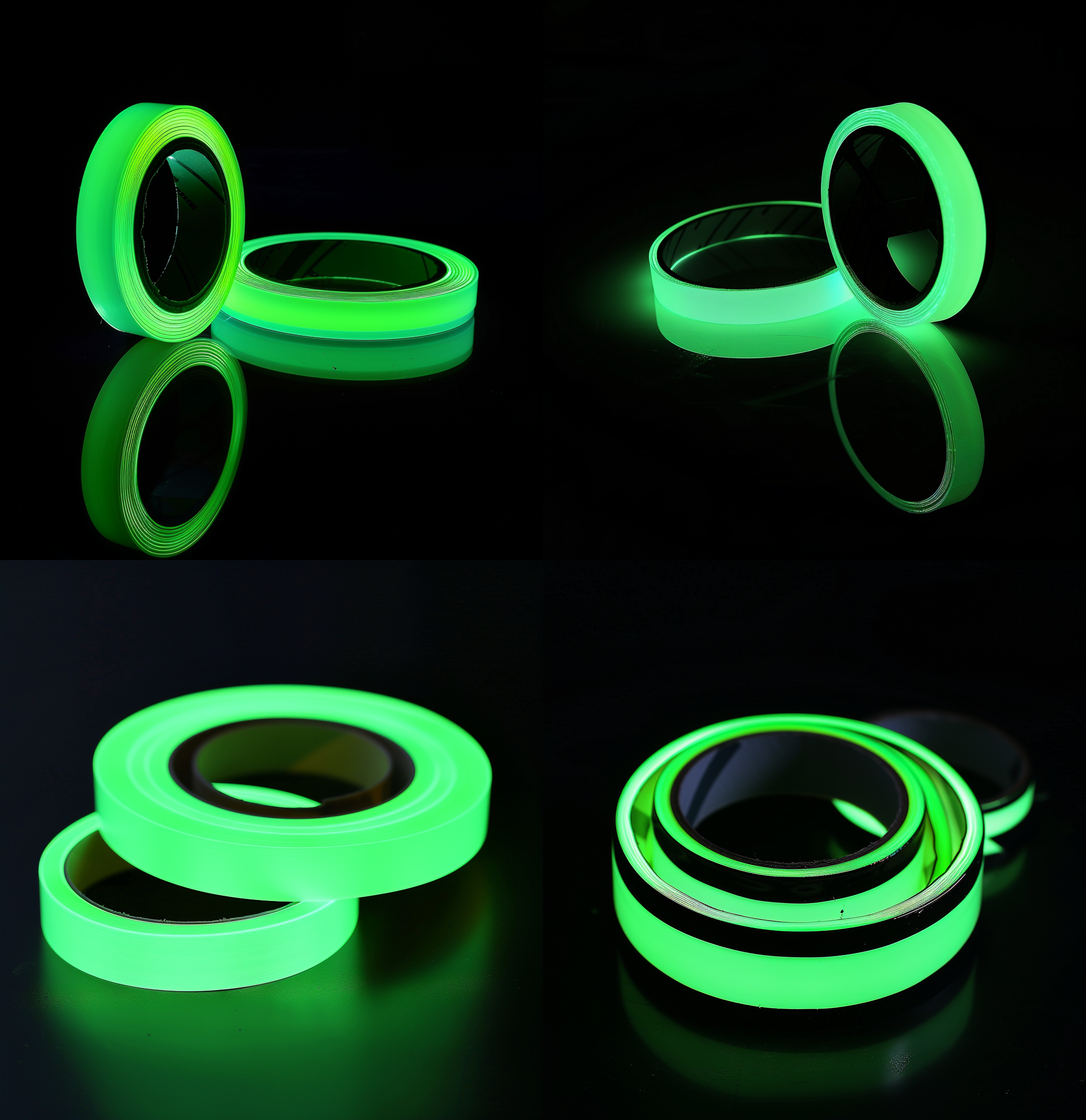
Choosing an industrial-grade supplier for phosphorescent safety products requires a thorough evaluation of material longevity, chemical resistance, and cross-border delivery logistics. Working directly with a primary manufacturer ensures that the luminescent materials comply with strict international fire safety and maritime codes. Our enterprise streamlines global procurement by engineering high-performance light-storage substrates that deliver predictable safety performance across diverse and challenging commercial environments worldwide.
Technical Advantages and Academic Research Collaboration
The baseline performance and physical durability of advanced light-storage sheets depend on precise chemical engineering and high-purity crystalline structures. To remain at the cutting edge of phosphorescent development, our enterprise maintains a long-term technical collaboration with leading academic institutions, including the Zhejiang University of Technology. This active research partnership focuses on optimizing the molecular integration of rare-earth aluminate crystals within robust polymer matrices, directly improving the material's resistance to UV degradation and industrial chemical exposure.
Through our joint framework with the Zhejiang University of Technology, we provide comprehensive technical support across a wide variety of practical application fields. Our engineering experts regularly assist procurement managers with substrate compatibility testing, customized structural layouts, and long-term durability profiling for harsh environments. This scientific foundation allows us to convert laboratory innovations into field-tested safety materials, ensuring our products maintain their structural integrity and brightness throughout their service life.
Product Advantages and Luminescence Performance Profile
A primary benefit of our inventory is its extensive structural diversity and superior luminescence performance. We engineer our heavy-duty safety sheets and flexible Photoluminescent Film options using premium strontium aluminate pigments, resulting in remarkably high luminous brightness that immediately pierces through heavy smoke or pitch-black darkness. Furthermore, these materials are formulated to deliver an extended long luminous duration, providing continuous, life-saving visibility throughout prolonged facility evacuations or extended night shifts.
Our advanced chemical formulation is characterized by its exceptionally low excitation condition requirements. The photoluminescent material does not require high-intensity UV light to charge; it can rapidly store energy under standard commercial LEDs, low-wattage fluorescent office lighting, or indirect ambient daylight. To support different facility budgets and varying project scales, our product lines offer an outstanding cost-performance ratio, covering a full range of prices from high to low. This allows safety directors to deploy premium, high-impact rigid sheets in high-traffic loading bays while using economical vinyl films in interior office corridors.
Fully Integrated Production and Rigorous Quality Testing
Maintaining precise material standards across large industrial orders requires total oversight of the supply chain. Our enterprise operates a complete product line that handles every stage of development internally, from raw chemical synthesis and substrate casting to final adhesive backing application, trimming, and finished product packaging. This unified manufacturing structure completely integrates production, research, and testing within our own state-of-the-art production plants.
By managing the entire production cycle without relying on third-party contract manufacturers or external converters, we completely eliminate the risk of batch-to-batch variation that frequently compromises lesser-grade safety signs. Our internal testing laboratories subject every production run to strict quality control protocols. We meticulously measure initial luminance levels at ten minutes, verify the afterglow decay curve over twelve hours, and perform accelerated impact testing to ensure our rigid sheets can withstand real-world industrial wear and tear.
Material Specifications and Structural Performance Matrix
To assist procurement officers and safety engineers in choosing the most effective configuration for their specific facility layout, the following technical matrix outlines the physical properties of our primary product classes:
| Material Configuration Type | Initial Brightness (10 Mins) | Total Afterglow Lifespan | Primary Structural Application | Impact and Wear Resistance |
| Rigid Acrylic Sheet | Greater than 320 mcd/m² | 12+ Hours | Heavy Industrial Machinery Bays, Loading Docks | Ultra-High / Shatterproof |
| Standard PVC Safety Sheet | Greater than 220 mcd/m² | 8–10 Hours | Commercial Warehouse Egress, Stairwell Walls | High Industrial Grade |
| Flexible Polyurethane Film | Greater than 180 mcd/m² | 6–8 Hours | Curved Concrete Pillars, Machinery Contours | High Flexibility / Abrasion-Resistant |
| Economical Utility Vinyl | Greater than 70 mcd/m² | 2–4 Hours | Short-Term Tool Labels, Temporary Pipe Marking | Standard Commercial |
Service Advantages, Fast Logistics, and Trade Approval Efficiency
Navigating the logistical complexities of importing technical safety materials requires an experienced operational partner. Our enterprise utilizes a dedicated, professional foreign trade team that manages the entire export process, from initial technical documentation to international shipping updates. We maintain long-term corporate agreements with top-tier international freight carriers to guarantee fast logistics, ensuring your materials arrive on schedule to keep your facility upgrades on track.
In addition to reliable shipping transit times, our documentation specialists handle all necessary licensing and commodity inspection approvals beforehand. Because photoluminescent products cross international borders under specialized chemical and industrial safety classifications, incomplete paperwork can result in costly customs delays. Our team prepares all material safety data sheets, regional compliance certificates, and export declarations perfectly in advance. This proactive regulatory oversight ensures a seamless customs clearance process, delivering your safety shipments exactly when your construction or maintenance schedule requires them.
Frequently Asked Questions
Q1: What is the main structural difference between a photoluminescent sheet and a standard flexible film?
The main difference lies in the backing thickness and application environment. A flexible Photoluminescent Film is designed for application on smooth, contoured, or curved surfaces like pipes, machinery casings, and painted walls. In contrast, a rigid photoluminescent sheet features a thick, heavy-duty acrylic or PVC backing designed to be mounted directly onto texturized concrete, chain-link fencing, or high-impact industrial areas where a thin film might easily tear or puncture.
Q2: Can these rigid safety sheets be safely used on offshore oil rigs and marine vessels?
Yes, our premium-grade rigid acrylic sheets are specifically engineered to withstand harsh maritime environments. They exhibit exceptional resistance to saltwater corrosion, heavy UV exposure, and volatile industrial chemicals. Additionally, they meet strict international flame-retardant and long-afterglow criteria mandated by maritime safety organizations for low-location emergency lighting.
Q3: How do the low excitation condition requirements benefit a facility with low ambient light?
Products with low excitation requirements can achieve a functional charge under weak or indirect light sources, such as energy-saving 25-lux indoor LEDs or shaded daylight. For areas of your facility that do not have high-intensity lighting, this ensures the safety backing can still store enough energy to emit a dependable, high-visibility glow during a sudden power blackout.
Q4: Is it possible to print custom text and hazard symbols directly onto the rigid sheets?
Our sheets are manufactured with high-quality surface coatings that are fully compatible with industrial flatbed UV printing and screen printing methods. This allows facility managers to print custom safety protocols, directional arrows, or specific language translations directly onto the luminescent background without damaging the underlying energy-storage crystals.
Table of Contents
- Technical Advantages and Academic Research Collaboration
- Product Advantages and Luminescence Performance Profile
- Fully Integrated Production and Rigorous Quality Testing
- Material Specifications and Structural Performance Matrix
- Service Advantages, Fast Logistics, and Trade Approval Efficiency
-
Frequently Asked Questions
- Q1: What is the main structural difference between a photoluminescent sheet and a standard flexible film?
- Q2: Can these rigid safety sheets be safely used on offshore oil rigs and marine vessels?
- Q3: How do the low excitation condition requirements benefit a facility with low ambient light?
- Q4: Is it possible to print custom text and hazard symbols directly onto the rigid sheets?