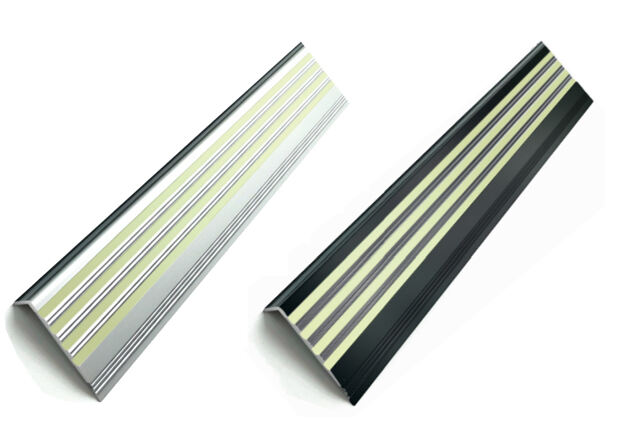
luminous emergency exit signs
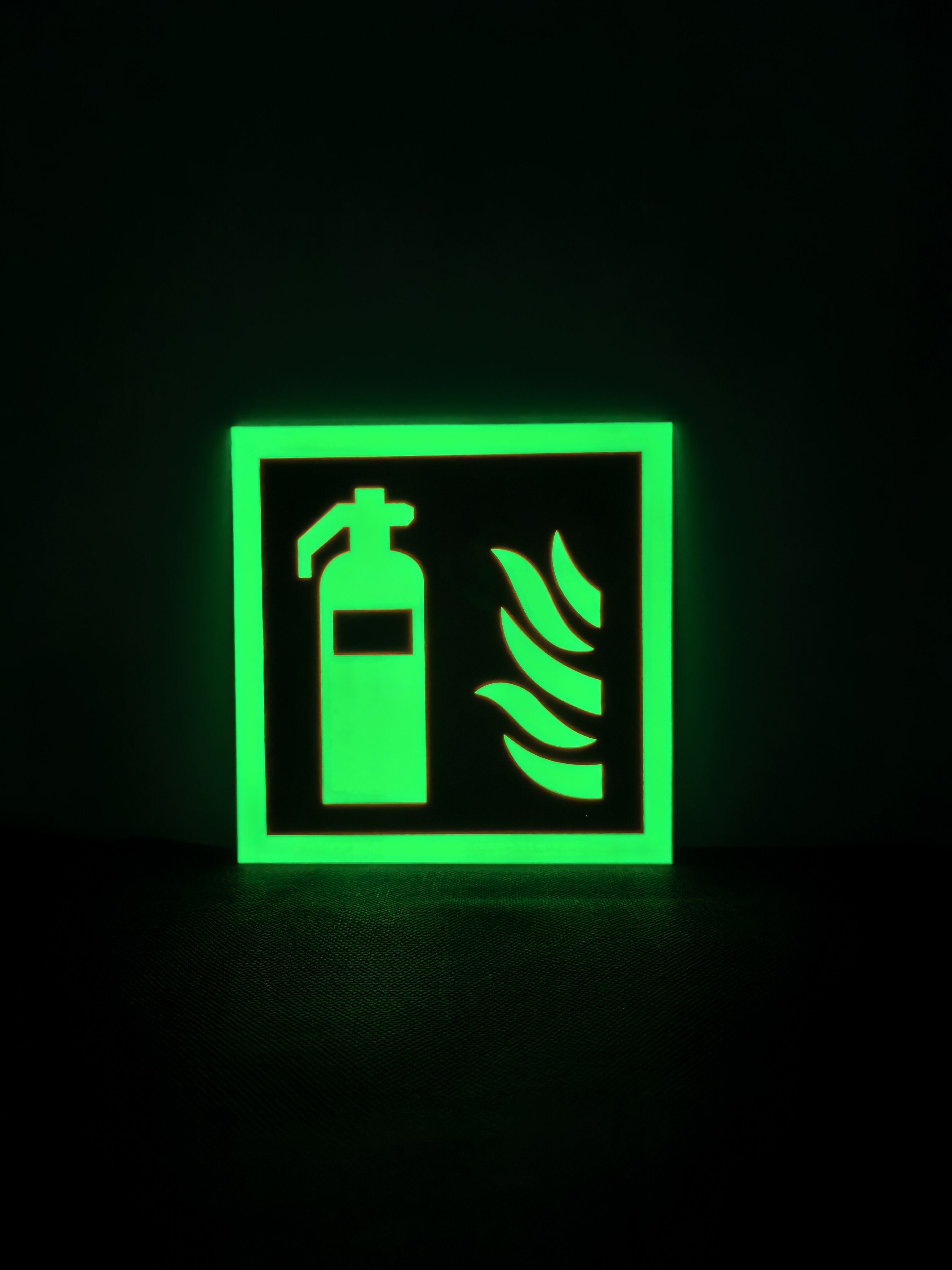
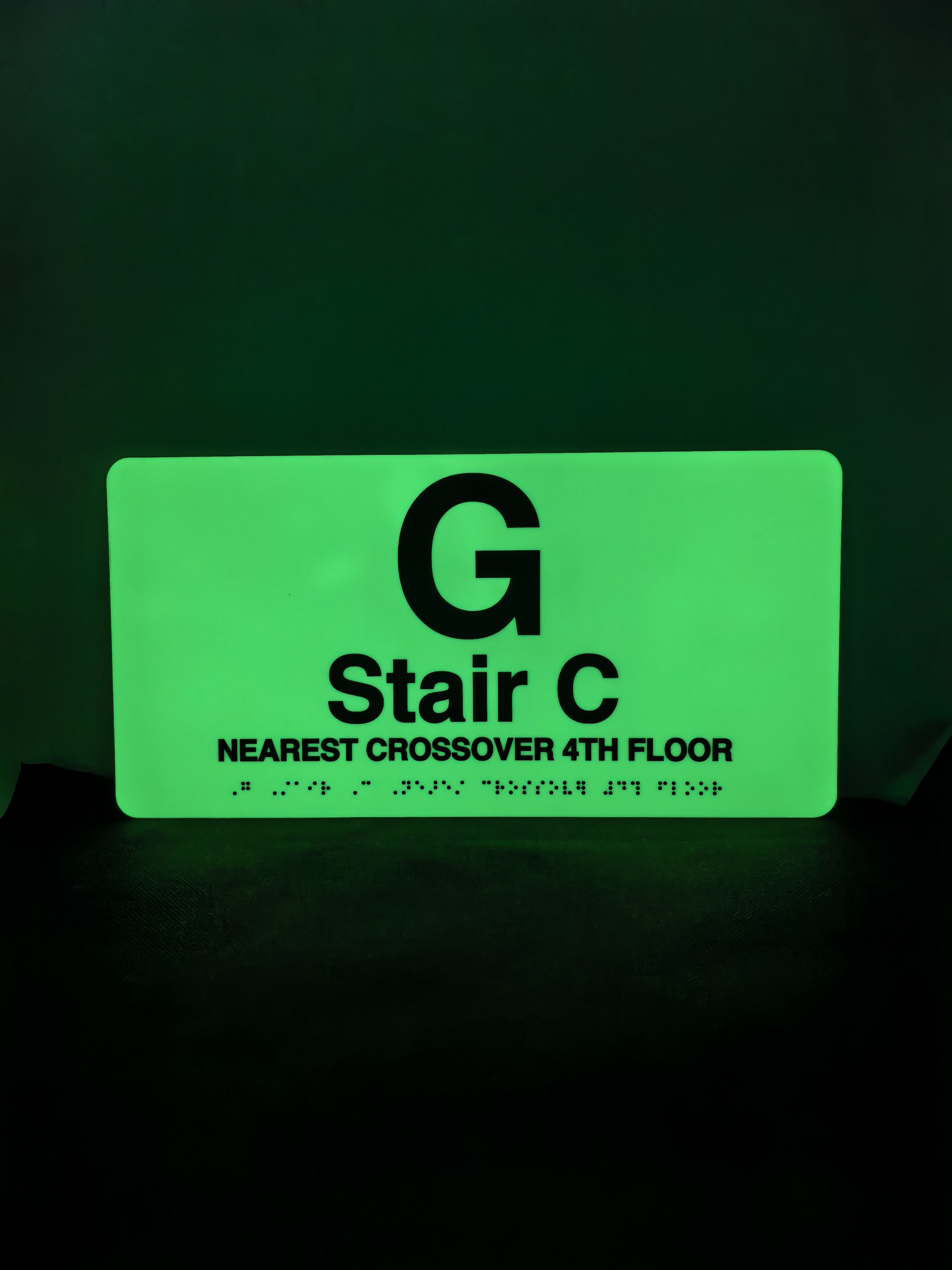
Luminous emergency exit signs represent a critical safety infrastructure component designed to guide occupants safely during emergency evacuations. These specialized signage systems utilize advanced photoluminescent technology that absorbs ambient light during normal conditions and releases this stored energy as visible illumination when darkness occurs. The primary function of luminous emergency exit signs involves providing clear directional guidance toward designated escape routes, even when electrical power systems fail completely. These signs maintain their visibility for extended periods, typically lasting several hours after the initial light source disappears, ensuring continuous evacuation support throughout emergency situations. The technological foundation of luminous emergency exit signs relies on rare earth phosphorescent materials that demonstrate exceptional light storage capabilities. These materials undergo a charging process during regular lighting conditions, accumulating photons that later convert into sustained luminescence. Modern luminous emergency exit signs incorporate multiple layers of phosphorescent coatings, creating enhanced brightness levels and extended glow duration. The charging mechanism requires minimal light exposure, making these signs functional in various indoor environments with standard artificial lighting. Applications for luminous emergency exit signs span across numerous commercial, industrial, and residential sectors. Office buildings, shopping centers, hospitals, schools, manufacturing facilities, and residential complexes all benefit from these safety devices. Maritime vessels, aircraft, and underground transportation systems also rely heavily on luminous emergency exit signs due to their independence from electrical power sources. The versatility of these signs allows installation in locations where traditional electrically powered exit signs might prove impractical or unreliable. Installation procedures for luminous emergency exit signs follow straightforward mounting protocols, requiring minimal electrical infrastructure compared to conventional alternatives. These signs integrate seamlessly with existing building safety systems while providing backup illumination capabilities that complement primary emergency lighting networks.
 ×
×






 EN
EN