EN
EN



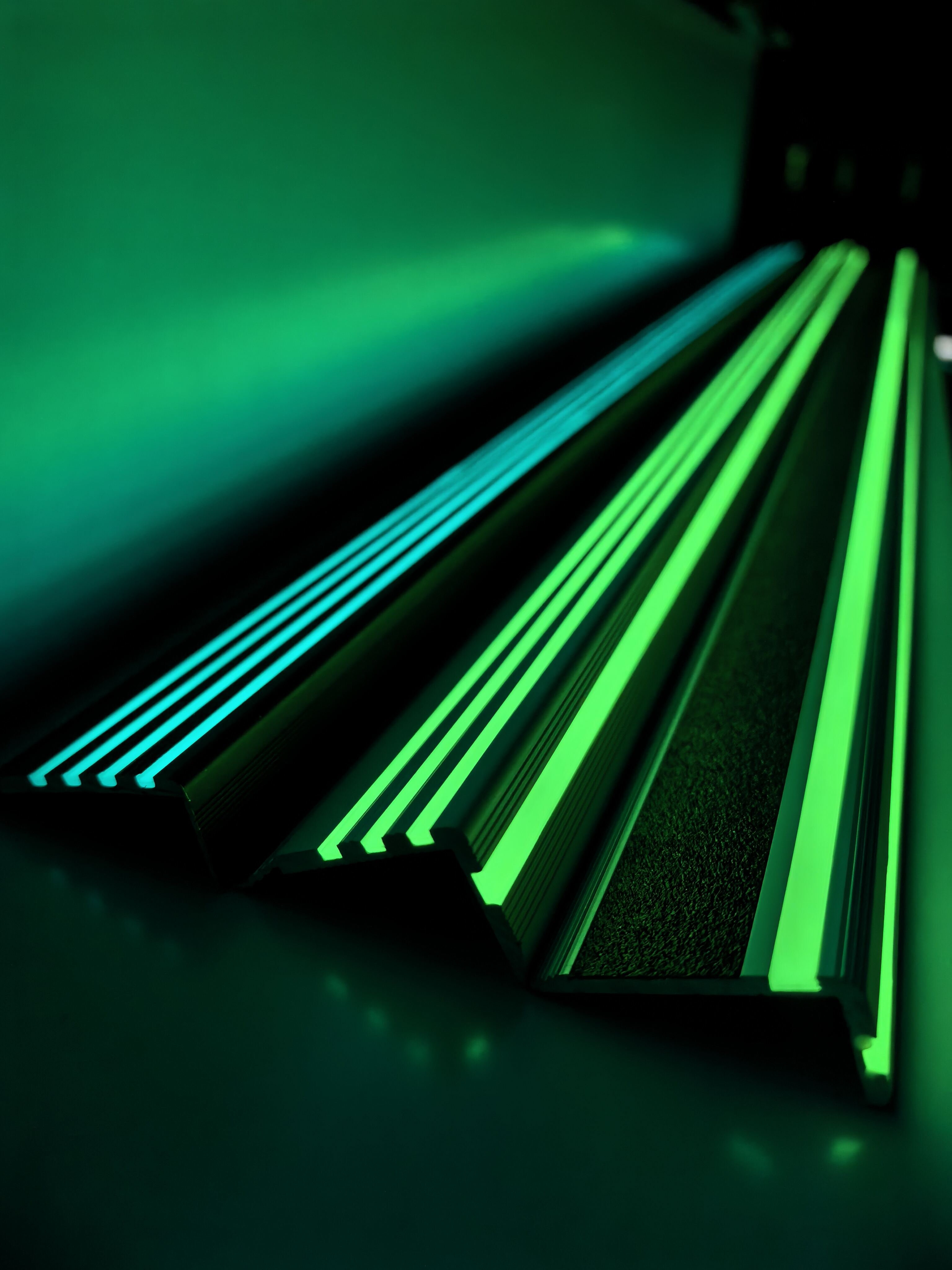
When it comes to staircase safety in commercial, industrial, and public buildings, few upgrades deliver as much practical value as photoluminescent stair nosing. This specialized edge profile absorbs ambient light during normal conditions and emits a steady, visible glow when surrounding lights fail or visibility drops. Whether you are managing a high-rise office block, a transit facility, or an industrial plant, understanding how to select and install photoluminescent stair nosing correctly is essential to meeting safety standards and protecting building occupants.
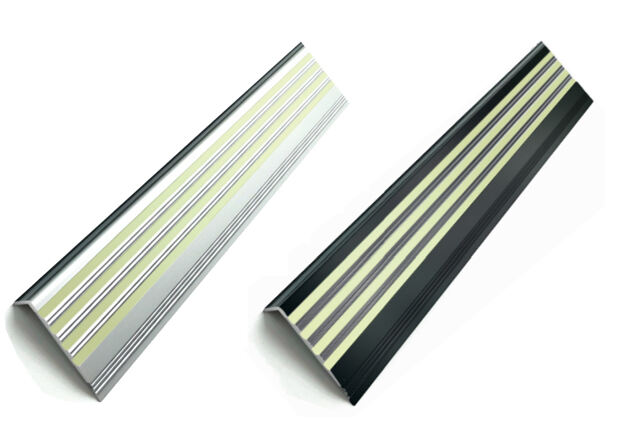
This guide walks through the key selection criteria, material considerations, compliance requirements, and step-by-step installation principles that facility managers, architects, and safety officers need to know. Getting these decisions right the first time ensures that your photoluminescent stair nosing performs reliably for years, reduces liability exposure, and contributes to a clearly marked, code-compliant egress path throughout your building.
Understanding What Photoluminescent Stair Nosing Does
The Core Safety Function
Photoluminescent stair nosing serves a deceptively simple but critically important purpose: it marks the leading edge of each stair tread so that occupants can identify step boundaries even in complete darkness or heavy smoke. During a power outage or emergency evacuation, overhead lighting may fail entirely. In those moments, the glowing edge of each step becomes the primary visual cue guiding people safely downward.
Unlike battery-powered or electrically wired lighting systems, photoluminescent stair nosing requires no external power source to function. It charges passively under normal ambient lighting conditions — whether fluorescent, LED, or natural daylight — and releases that stored energy as visible light when darkness falls. This passive reliability is one of the strongest arguments for incorporating photoluminescent stair nosing into any serious egress safety plan.
The glow emitted by quality photoluminescent stair nosing is not merely decorative. It is engineered to meet measurable luminance output standards, ensuring that the marking remains visible for a defined duration after the light source is removed. This performance characteristic is what separates compliant safety products from decorative alternatives.
Where Photoluminescent Stair Nosing Is Most Needed
Photoluminescent stair nosing is most critical in buildings where stairwells serve as primary evacuation routes. High-rise office towers, hotels, hospitals, schools, transit stations, and industrial facilities all fall into this category. In these environments, stairwells may be enclosed, poorly lit under normal conditions, and subject to heavy foot traffic during emergencies when panic and reduced visibility combine to create serious fall hazards.
Even in buildings with robust emergency lighting systems, photoluminescent stair nosing provides a redundant layer of protection. Emergency lighting can fail due to battery degradation, wiring faults, or physical damage during the very incident that triggered the evacuation. Photoluminescent stair nosing has no such failure mode — as long as it has been adequately charged, it will glow.
Retrofit applications are equally important. Many existing buildings were constructed before photoluminescent egress marking requirements became standard in building codes. Adding photoluminescent stair nosing to these structures is often one of the most cost-effective compliance upgrades available, requiring no electrical work and minimal disruption to building operations.
Key Selection Criteria for Photoluminescent Stair Nosing
Material and Substrate Compatibility
Photoluminescent stair nosing is manufactured in several base materials, most commonly aluminum alloy profiles with a photoluminescent insert strip, and solid polymer or composite profiles with integrated photoluminescent compounds. The right choice depends on the substrate you are working with and the level of foot traffic the staircase receives.
Aluminum-bodied photoluminescent stair nosing is the preferred choice for high-traffic commercial and industrial environments. The aluminum extrusion provides structural rigidity, resistance to impact and deformation, and a long service life even under heavy use. The photoluminescent insert is recessed or flush-mounted within the profile, protecting it from direct abrasion while keeping it visible from the approach angle.
For applications where weight, noise, or surface hardness is a concern — such as residential staircases or certain healthcare environments — polymer-based photoluminescent stair nosing may be more appropriate. These profiles are lighter, quieter underfoot, and available in a wider range of colors and finishes. However, they generally offer lower impact resistance than aluminum alternatives and should be matched carefully to the expected load conditions.
Luminance Performance and Compliance Standards
Not all photoluminescent stair nosing products deliver the same glow intensity or duration. When evaluating options, the most important technical specification to examine is the luminance output measured in millicandelas per square meter (mcd/m²) and the duration over which that output is sustained. Reputable products will provide test data showing initial luminance and decay curves over time.
In many jurisdictions, photoluminescent stair nosing must comply with specific standards such as ISO 16069, DIN 67510, or local building code requirements that reference these or equivalent standards. These standards define minimum luminance thresholds, charging conditions, and test methodologies. Always verify that the product you are selecting carries certification or test documentation aligned with the applicable standard in your region.
Beyond raw luminance numbers, consider the charging efficiency of the photoluminescent stair nosing. Products using strontium aluminate-based photoluminescent compounds generally outperform older zinc sulfide formulations in both brightness and afterglow duration. Strontium aluminate compounds can sustain visible luminance for eight hours or more after a standard charging period, which is the benchmark required by most egress safety codes.
Profile Geometry and Anti-Slip Performance
The physical profile of photoluminescent stair nosing affects both safety and aesthetics. A well-designed profile should cover the full leading edge of the tread, provide a smooth transition between the tread surface and the riser, and incorporate anti-slip features that remain effective when wet or contaminated.
Anti-slip performance is typically achieved through ribbed or grooved surface textures on the nosing body, carborundum or aluminum oxide aggregate inserts, or a combination of both. When selecting photoluminescent stair nosing, check the slip resistance rating — expressed as a Pendulum Test Value (PTV) or equivalent — and ensure it meets the requirements for your specific application environment.
Profile height and overhang dimensions also matter. A nosing that protrudes too far beyond the tread edge can itself become a trip hazard, while one that sits too flush may not provide adequate visual contrast. Most building codes specify acceptable overhang dimensions, typically in the range of 25 to 30 millimeters, and your selected photoluminescent stair nosing should fall within these parameters.
Preparing for Installation
Surface Assessment and Substrate Preparation
Successful installation of photoluminescent stair nosing begins well before the first fixing is placed. A thorough assessment of the existing stair substrate is essential. The tread surface must be structurally sound, free of cracks or delamination, and capable of accepting the chosen fixing method without compromising the integrity of the stair structure.
For concrete or stone stairs, the tread surface should be ground or scarified to remove any existing coatings, sealers, or contamination that could prevent adhesive bonding or cause mechanical fixings to pull out prematurely. Dust and debris must be removed completely before installation begins. Any cracks or spalled areas should be repaired with an appropriate filler and allowed to cure fully before the photoluminescent stair nosing is applied.
Timber stair treads require a different approach. The wood must be dry, stable, and free of rot or excessive movement. If the tread surface has been painted or varnished, the coating should be removed in the fixing zone to ensure direct contact between the nosing and the timber substrate. Pre-drilling pilot holes is strongly recommended to prevent splitting, particularly near the tread edge.
Selecting the Right Fixing Method
Photoluminescent stair nosing can be fixed using mechanical fasteners, structural adhesive, or a combination of both. The appropriate method depends on the substrate material, the profile design, and the anticipated load conditions. Each method has distinct advantages and limitations that must be weighed carefully.
Mechanical fixing using countersunk screws or expansion anchors is the most secure and reversible method. It is preferred for high-traffic applications and for substrates where adhesive bonding may be unreliable, such as porous concrete or painted surfaces. The fixing pattern should follow the manufacturer's recommendations, typically at intervals of 200 to 300 millimeters along the length of the nosing, with fixings positioned to avoid the photoluminescent insert strip.
Adhesive-only installation is suitable for lighter-duty applications and for substrates where drilling is not practical or permitted. When using this method, the adhesive must be specifically rated for the substrate combination and for the expected load and temperature range. A full-coverage adhesive bed is generally preferable to a bead pattern, as it eliminates voids that could allow moisture ingress or edge lifting over time. For critical safety applications, a hybrid approach combining adhesive and mechanical fixings provides the highest level of long-term security for photoluminescent stair nosing.
Step-by-Step Installation Process
Measuring, Cutting, and Positioning
Accurate measurement is the foundation of a clean, professional installation. Measure the full width of each tread carefully, accounting for any variation between steps. Photoluminescent stair nosing should span the full width of the tread from wall to wall or balustrade to balustrade, with no gaps that could create visual discontinuity in the egress marking system.
Cutting aluminum photoluminescent stair nosing requires a fine-toothed metal cutting blade or a dedicated aluminum cutting saw. Cuts should be made squarely and deburred to remove sharp edges before installation. If the staircase has angled or curved ends, mitered cuts may be necessary to achieve a neat finish. Always dry-fit each piece before applying adhesive or drilling fixing holes to confirm the fit and alignment.
Position the photoluminescent stair nosing so that the leading edge of the profile aligns precisely with the front edge of the tread. The nosing should sit flat against the tread surface with no rocking or bridging. If the tread surface is uneven, packing shims or a bed of adhesive can be used to achieve full contact before the fixings are tightened.
Fixing, Finishing, and Quality Checking
Once the position is confirmed, apply adhesive if required and begin placing mechanical fixings from the center of the nosing outward toward each end. This sequence prevents bowing and ensures even clamping pressure along the full length of the profile. Tighten fixings to the manufacturer's specified torque — overtightening can crack the profile or damage the photoluminescent insert, while undertightening leaves the nosing vulnerable to movement and edge lifting.
After all fixings are placed, inspect each piece of photoluminescent stair nosing for alignment, surface flatness, and secure attachment. Run a straightedge along the length of the nosing to confirm there is no bow or twist. Check that the photoluminescent insert is undamaged and fully seated within the profile. Any adhesive squeeze-out should be cleaned immediately before it cures.
Allow the installation to cure fully before the staircase is returned to service. For adhesive installations, this typically means a minimum of 24 hours under normal temperature conditions. Once cured, expose the photoluminescent stair nosing to a strong light source for the manufacturer's recommended charging period, then test the glow output in a darkened environment to confirm that the product is performing as specified.
Maintenance and Long-Term Performance
Routine Cleaning and Inspection
Photoluminescent stair nosing is a low-maintenance product, but it is not a zero-maintenance one. Regular cleaning is essential to maintain both the anti-slip performance and the luminance output of the photoluminescent insert. Dirt, wax, and surface coatings can significantly reduce the amount of light absorbed by the photoluminescent compound, directly degrading its emergency performance.
Clean photoluminescent stair nosing using a mild detergent solution and a soft brush or cloth. Avoid abrasive cleaners, solvents, or high-pressure washing, which can damage the photoluminescent insert or the surface finish of the profile. After cleaning, allow the nosing to dry and recharge under ambient lighting before the next inspection cycle.
Periodic inspection should check for physical damage to the profile, loosening of fixings, edge lifting, and any signs of delamination or cracking in the photoluminescent insert. Damaged sections of photoluminescent stair nosing should be replaced promptly, as a compromised nosing provides neither reliable anti-slip protection nor consistent egress marking.
Replacement Planning and Lifecycle Considerations
Quality photoluminescent stair nosing installed correctly in a suitable application can deliver a service life of ten years or more. However, the photoluminescent compound does degrade gradually over time, and luminance output will diminish as the product ages. Establishing a replacement schedule based on the manufacturer's stated service life and periodic luminance testing ensures that your egress marking system remains compliant throughout the building's operational life.
When planning replacements, consider whether the existing substrate has been affected by the original installation. Screw holes, adhesive residue, and surface damage from the previous nosing may need to be addressed before new photoluminescent stair nosing is installed. Factoring this remediation work into your replacement budget and timeline prevents delays and ensures a clean, secure installation each time.
FAQ
How long does photoluminescent stair nosing glow after the lights go out?
The afterglow duration of photoluminescent stair nosing depends on the quality of the photoluminescent compound used and the duration and intensity of the prior charging period. Products using strontium aluminate compounds and charged under standard ambient lighting conditions typically provide visible luminance for eight hours or more. Always check the manufacturer's test data and ensure the product meets the minimum duration requirements specified by your local building code.
Can photoluminescent stair nosing be installed on existing stairs without professional help?
Simple installations on straightforward substrates such as timber or smooth concrete can be completed by a competent tradesperson following the manufacturer's installation instructions. However, for complex substrates, high-traffic commercial environments, or installations that must meet specific compliance standards, engaging a professional installer is strongly recommended. Incorrect installation can compromise both the safety performance and the longevity of the photoluminescent stair nosing.
Does photoluminescent stair nosing require any electrical connection or battery replacement?
No. Photoluminescent stair nosing is entirely passive and requires no electrical connection, battery, or external power source of any kind. It charges automatically under ambient lighting conditions and releases stored energy as visible light in darkness. This makes it inherently reliable and eliminates the maintenance burden associated with battery-powered emergency lighting components.
What standards should photoluminescent stair nosing comply with?
The applicable standards vary by region, but commonly referenced standards include ISO 16069 for photoluminescent safety way guidance systems, DIN 67510 for photoluminescent pigments and products, and various national building codes that incorporate egress marking requirements. When selecting photoluminescent stair nosing, request test certificates and compliance documentation from the supplier and verify that the product meets the specific standards required in your jurisdiction.
Table of Contents
- Understanding What Photoluminescent Stair Nosing Does
- Key Selection Criteria for Photoluminescent Stair Nosing
- Preparing for Installation
- Step-by-Step Installation Process
- Maintenance and Long-Term Performance
-
FAQ
- How long does photoluminescent stair nosing glow after the lights go out?
- Can photoluminescent stair nosing be installed on existing stairs without professional help?
- Does photoluminescent stair nosing require any electrical connection or battery replacement?
- What standards should photoluminescent stair nosing comply with?