EN
EN



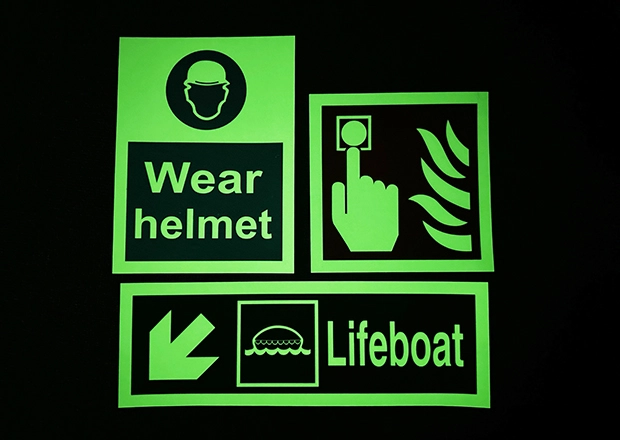
The concept of roads that glow in the dark has captured imaginations for decades, but recent technological advances have brought photoluminescent road surfaces closer to reality than ever before. These innovative transportation solutions promise enhanced nighttime visibility, reduced energy consumption, and improved road safety for drivers worldwide. As municipalities and transportation authorities explore sustainable alternatives to traditional street lighting, photoluminescent road technology represents a compelling fusion of environmental consciousness and practical engineering.
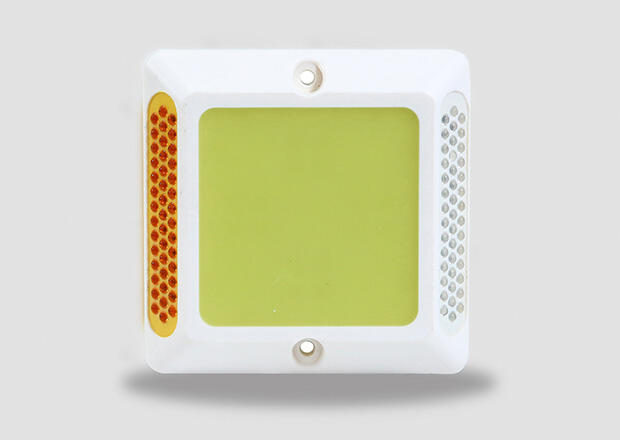
Modern photoluminescent materials have evolved significantly from their early applications, offering superior durability and light emission capabilities that make them suitable for demanding road environments. The integration of these materials into highway infrastructure requires careful consideration of performance metrics, installation procedures, and long-term maintenance requirements. Transportation engineers are increasingly recognizing the potential of photoluminescent road systems to address critical challenges in roadway illumination while supporting sustainability goals.
Understanding Photoluminescent Road Technology
Basic Principles of Photoluminescence
Photoluminescent materials function through a process of light absorption and re-emission, storing energy from external light sources during daylight hours and gradually releasing it as visible illumination after dark. The most effective photoluminescent road applications utilize advanced strontium aluminate compounds that provide extended afterglow periods and superior brightness levels. These materials can maintain visible luminescence for up to twelve hours after initial charging, making them particularly valuable for nighttime road visibility applications.
The charging mechanism relies on ultraviolet and visible light exposure, with optimal performance achieved through direct sunlight contact during peak daylight hours. Modern photoluminescent compounds demonstrate remarkable efficiency in converting absorbed light energy into stored luminous potential. The emission spectrum typically falls within the green-yellow range, which corresponds to peak sensitivity of human night vision and provides optimal visibility contrast against standard asphalt surfaces.
Material Composition and Performance Characteristics
Contemporary photoluminescent road materials incorporate sophisticated rare-earth dopants that enhance both luminosity and durability under harsh environmental conditions. These compounds exhibit exceptional resistance to temperature fluctuations, moisture exposure, and mechanical stress from vehicle traffic. The particle size distribution and binding matrix significantly influence the overall performance characteristics of photoluminescent road systems, requiring precise formulation for optimal results.
Advanced photoluminescent compounds maintain their charging and emission capabilities through thousands of charge-discharge cycles without significant degradation. The material's ability to withstand repeated thermal cycling, freeze-thaw conditions, and chemical exposure from de-icing salts makes it suitable for diverse climate applications. Quality photoluminescent road materials demonstrate consistent performance metrics across temperature ranges from negative forty to positive sixty degrees Celsius.
Implementation Methods and Installation Techniques
Surface Application Strategies
Successful photoluminescent road implementation requires careful surface preparation and application methodology to ensure optimal adhesion and longevity. The substrate must be thoroughly cleaned, properly primed, and assessed for structural integrity before photoluminescent material application. Professional installation teams utilize specialized equipment to achieve uniform coverage and precise thickness control across treated road sections.
The application process typically involves multiple coating layers, beginning with a primer system designed to enhance adhesion between the asphalt substrate and photoluminescent topcoat. Intermediate base coats provide additional durability and help optimize the optical properties of the final luminescent layer. The final photoluminescent coating requires careful attention to environmental conditions during application, with temperature and humidity parameters strictly controlled to ensure proper curing.
Integration with Existing Infrastructure
Photoluminescent road systems can be successfully integrated with conventional roadway markings, traffic control devices, and lighting infrastructure to create comprehensive visibility enhancement solutions. The technology complements rather than replaces traditional road safety measures, providing additional visual guidance during power outages or lighting system failures. Strategic placement of photoluminescent road elements enhances lane delineation, intersection visibility, and hazard identification.
Modern installation approaches incorporate photoluminescent materials into road studs, lane markers, and directional indicators that work synergistically with painted road surfaces. These complementary elements provide three-dimensional visual cues that improve depth perception and spatial awareness for nighttime drivers. The integration process requires coordination between multiple contractor specialties and careful project scheduling to minimize traffic disruption during installation phases.
Performance Analysis and Real-World Applications
Visibility and Safety Metrics
Field testing of photoluminescent road installations demonstrates measurable improvements in nighttime visibility and driver response times compared to conventional road marking systems. Research studies indicate that photoluminescent road surfaces provide enhanced contrast ratios and improved lane recognition at distances exceeding traditional retroreflective materials. The sustained luminescence characteristics offer particular advantages during adverse weather conditions when conventional lighting systems may be compromised.
Comprehensive safety analysis reveals reduced accident rates in areas where photoluminescent road technology has been properly implemented and maintained. The technology proves especially beneficial for rural highways, construction zones, and emergency detour routes where conventional lighting infrastructure may be limited or unavailable. Driver surveys consistently report increased confidence and reduced eye strain when navigating photoluminescent road sections during nighttime hours.
Environmental Impact and Sustainability Benefits
Photoluminescent road systems offer significant environmental advantages through reduced electrical energy consumption and decreased carbon footprint compared to traditional street lighting solutions. The elimination of continuous power requirements makes these systems particularly attractive for remote locations and environmentally sensitive areas. Life cycle assessments demonstrate favorable environmental profiles when considering manufacturing, installation, operation, and end-of-life disposal factors.
The technology supports broader sustainability initiatives by reducing light pollution and minimizing impacts on nocturnal wildlife migration patterns. Photoluminescent road applications can help preserve dark sky conditions while maintaining essential safety illumination for vehicular traffic. The absence of electrical infrastructure requirements eliminates ongoing maintenance concerns related to power distribution, reducing long-term environmental impacts associated with system operation.
Economic Considerations and Cost-Benefit Analysis
Initial Investment Requirements
The upfront costs associated with photoluminescent road implementation vary significantly based on project scope, material specifications, and installation complexity. High-quality photoluminescent compounds command premium pricing compared to conventional road marking materials, but this initial investment must be evaluated against long-term operational savings. Professional installation services add additional costs but ensure proper application techniques and optimal performance outcomes.
Project budgets must account for surface preparation requirements, specialized application equipment, traffic control measures during installation, and quality assurance testing protocols. The economic analysis should consider regional labor rates, material transportation costs, and potential seasonal timing constraints that may influence overall project expenses. Comprehensive cost modeling helps identify optimal implementation strategies for specific project requirements and budget parameters.
Long-Term Value Proposition
The economic benefits of photoluminescent road systems become evident through reduced electrical consumption, decreased maintenance requirements, and extended service life compared to conventional alternatives. Energy cost savings accumulate significantly over the operational lifetime of photoluminescent road installations, particularly in regions with high electricity rates. The elimination of bulb replacement, electrical system maintenance, and power infrastructure upkeep provides substantial operational cost reductions.
Additional economic benefits include reduced accident rates, decreased emergency response costs, and improved traffic flow efficiency during nighttime hours. Insurance providers increasingly recognize the safety benefits of photoluminescent road technology, potentially offering premium reductions for municipalities that implement these systems. The technology's contribution to sustainability goals may qualify projects for environmental grants, green infrastructure funding, or carbon offset credit programs.
Technical Challenges and Solution Strategies
Durability and Wear Resistance
Photoluminescent road materials must withstand intense mechanical stress from vehicle traffic, including heavy commercial vehicles and construction equipment. The development of specialized polymer matrices and protective coatings has significantly improved the wear resistance of modern photoluminescent road systems. Advanced formulations incorporate impact-resistant additives and flexible binding agents that accommodate substrate movement without compromising luminescent properties.
Regular performance monitoring and predictive maintenance protocols help identify areas requiring attention before significant deterioration occurs. Quality assurance programs include periodic luminosity testing, surface condition assessments, and traffic pattern analysis to optimize maintenance scheduling. Proactive maintenance approaches can extend service life and maintain consistent performance across photoluminescent road installations.
Weather Resistance and Climate Adaptability
Photoluminescent road systems must perform reliably across diverse climate conditions, from arctic freeze-thaw cycles to tropical heat and humidity extremes. Advanced material formulations incorporate UV stabilizers, moisture barriers, and thermal expansion compensation features that maintain performance consistency regardless of environmental conditions. Research continues to develop climate-specific formulations optimized for regional weather patterns and environmental stressors.
Snow and ice management presents unique challenges for photoluminescent road applications, requiring careful consideration of snow plow compatibility and de-icing chemical resistance. Specialized surface textures and protective treatments help maintain luminescent properties while accommodating winter maintenance operations. Cold-weather performance testing ensures reliable operation throughout winter months when visibility enhancement is most critical.
Future Development Trends and Innovations
Advanced Material Technologies
Emerging photoluminescent compounds promise enhanced brightness, extended afterglow duration, and improved environmental resistance compared to current generation materials. Nanotechnology applications offer potential breakthrough improvements in luminescent efficiency and particle dispersion characteristics. Research into novel rare-earth dopant combinations continues to push performance boundaries while reducing material costs through improved manufacturing processes.
Smart photoluminescent road systems incorporating sensors and adaptive brightness control represent the next evolution in roadway illumination technology. These systems can adjust luminescence intensity based on ambient conditions, traffic density, and weather patterns to optimize visibility while conserving stored energy. Integration with connected vehicle technologies opens possibilities for dynamic road marking and real-time hazard communication through photoluminescent road infrastructure.
Standardization and Regulatory Development
The establishment of industry standards for photoluminescent road applications will accelerate widespread adoption and ensure consistent performance across different implementations. Regulatory bodies are developing testing protocols, performance specifications, and installation guidelines that will standardize photoluminescent road technology deployment. International collaboration on standards development helps ensure compatibility and quality consistency across global markets.
Professional certification programs for photoluminescent road installation and maintenance personnel support quality assurance and proper implementation practices. Training curricula cover material handling, application techniques, quality control procedures, and troubleshooting methodologies. These educational initiatives help build industry expertise and ensure successful photoluminescent road project outcomes.
Frequently Asked Questions
How long do photoluminescent roads maintain their glow after sunset
High-quality photoluminescent road materials typically maintain visible luminescence for eight to twelve hours after sunset, depending on the charging conditions received during daylight hours. The brightness gradually diminishes over time, with the most intense illumination occurring during the first few hours after dark. Optimal charging requires direct sunlight exposure for several hours, though partial charging can occur under overcast conditions or artificial lighting.
What maintenance requirements are associated with photoluminescent road systems
Photoluminescent road maintenance involves periodic surface cleaning to remove accumulated debris that may block light absorption, routine inspection for wear or damage, and occasional reapplication of protective coatings. Unlike conventional lighting systems, photoluminescent roads require no electrical maintenance, bulb replacement, or power supply servicing. Maintenance intervals typically range from annual inspections to major refurbishment every five to ten years, depending on traffic volume and environmental conditions.
Can photoluminescent roads function effectively in regions with limited sunlight
Photoluminescent road technology can function in regions with limited sunlight, though performance may be reduced compared to areas with abundant sunshine. The materials can charge partially under overcast skies and even artificial lighting, though the resulting luminescence intensity and duration will be proportionally reduced. Supplementary charging systems using LED arrays or other artificial light sources can be implemented in extremely low-light environments to maintain adequate performance levels.
What are the primary cost factors for implementing photoluminescent road projects
The major cost factors include high-grade photoluminescent materials, professional surface preparation and application services, traffic control measures during installation, and quality assurance testing. Material costs represent the largest expense component, followed by specialized labor for proper installation. Long-term economic benefits through reduced energy consumption and maintenance requirements often offset initial investment costs over the operational lifetime of photoluminescent road systems.
Table of Contents
- Understanding Photoluminescent Road Technology
- Implementation Methods and Installation Techniques
- Performance Analysis and Real-World Applications
- Economic Considerations and Cost-Benefit Analysis
- Technical Challenges and Solution Strategies
- Future Development Trends and Innovations
-
Frequently Asked Questions
- How long do photoluminescent roads maintain their glow after sunset
- What maintenance requirements are associated with photoluminescent road systems
- Can photoluminescent roads function effectively in regions with limited sunlight
- What are the primary cost factors for implementing photoluminescent road projects