EN
EN



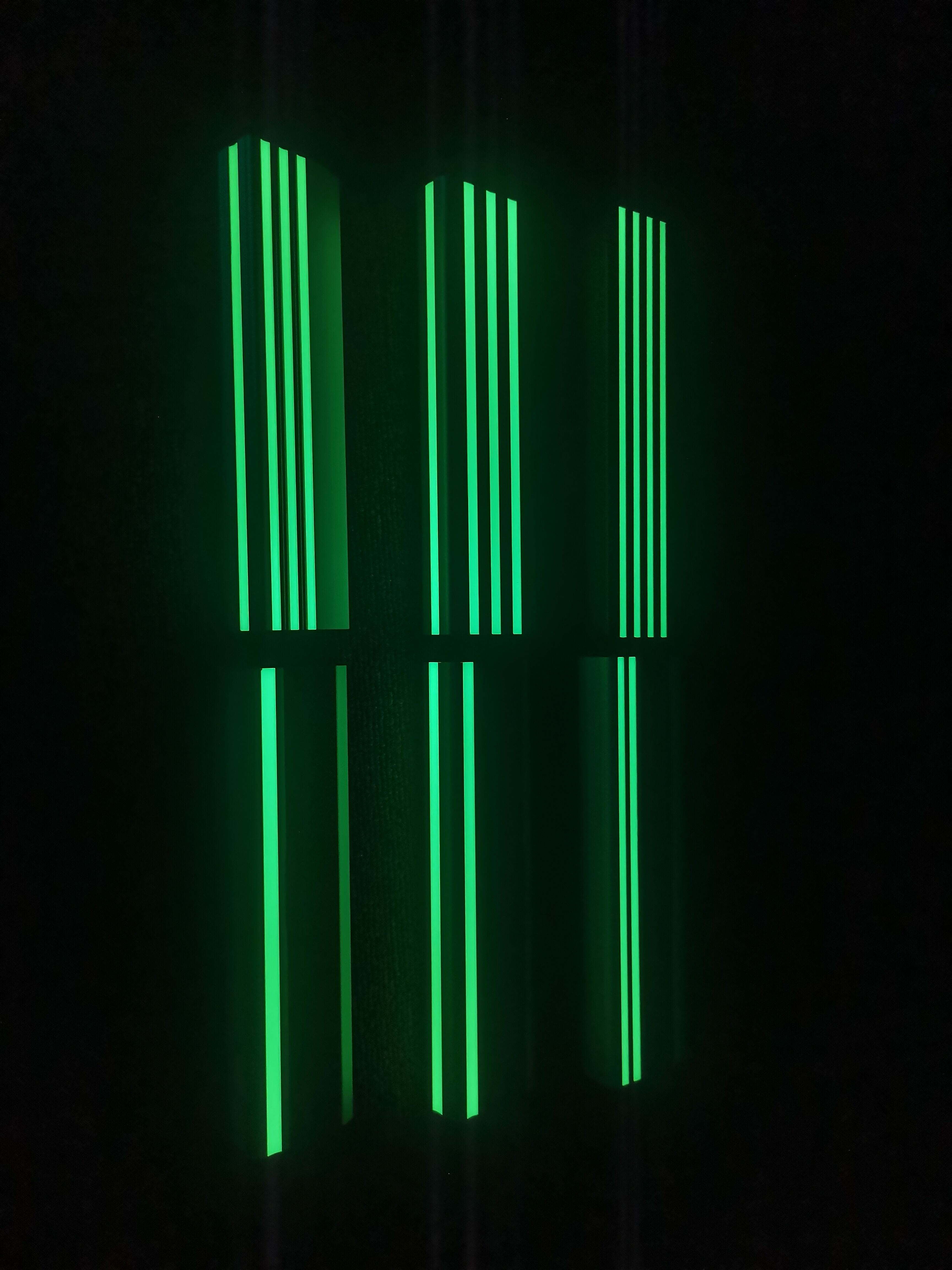
In commercial buildings, public infrastructure, and residential spaces alike, stairways represent one of the most consistent sources of slip-and-fall incidents — particularly during low-light conditions or emergencies when visibility is compromised. The challenge for architects, facility managers, and safety officers has always been the same: how do you make a staircase genuinely safer without sacrificing the visual integrity of the space? Modern photoluminescent stair nosing has emerged as a compelling answer to that question, offering a solution that is simultaneously functional, code-compliant, and architecturally refined.
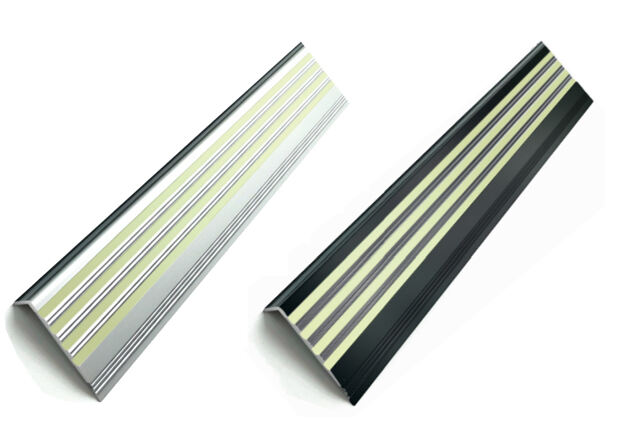
The evolution of photoluminescent stair nosing over the past decade has been significant. Early versions were utilitarian at best — thick, visually intrusive strips that signaled safety at the expense of design coherence. Today's products are engineered with precision, available in slim profiles, multiple finishes, and materials that integrate seamlessly into both contemporary and traditional interiors. Understanding how this balance between safety and aesthetics is achieved requires a closer look at the technology, the design principles, and the real-world applications that make photoluminescent stair nosing a preferred choice across industries.
The Science Behind Photoluminescent Stair Nosing
How Photoluminescence Works in Stair Applications
Photoluminescence is a process by which a material absorbs ambient light — whether natural or artificial — and re-emits it as a visible glow when surrounding light levels drop. In the context of photoluminescent stair nosing, this means the nosing strip charges continuously during normal building operation and activates automatically when lights fail or when a space becomes dark. There is no battery, no wiring, and no maintenance cycle required to sustain this function.
The core photoluminescent compound used in high-quality stair nosing is typically strontium aluminate, a material known for its long afterglow duration and high luminance output. Unlike older zinc sulfide formulations, strontium aluminate-based photoluminescent stair nosing can maintain visible glow for several hours after the light source is removed. This duration is critical in emergency evacuation scenarios where occupants may need extended guidance to reach exits safely.
The charging process is passive and continuous. As long as the space receives adequate ambient illumination during normal hours — typically above 50 lux — the photoluminescent stair nosing will accumulate sufficient energy to perform reliably in darkness. This self-sustaining characteristic is what makes photoluminescent stair nosing fundamentally different from battery-powered or electrically illuminated alternatives.
Material Composition and Structural Integrity
Modern photoluminescent stair nosing is typically constructed with an aluminum or stainless steel base profile, into which a photoluminescent insert is embedded or bonded. The metal substrate provides the structural rigidity needed to withstand heavy foot traffic, impact loads, and the mechanical stresses that stair edges endure over years of use. The photoluminescent element itself is protected by a durable surface layer that resists abrasion, chemical exposure, and UV degradation.
The anti-slip surface integrated into photoluminescent stair nosing is another critical structural component. Carborundum or aluminum oxide particles are commonly embedded into the tread surface to provide measurable slip resistance even when wet. This combination — photoluminescent visibility plus anti-slip traction — means that photoluminescent stair nosing addresses two distinct hazard categories simultaneously, which is why it is increasingly specified as a single-solution safety product rather than a supplementary add-on.
Durability testing for photoluminescent stair nosing typically includes load-bearing assessments, surface hardness ratings, and glow performance benchmarks measured in millicandelas per square meter. Specifiers should look for products that meet or exceed ISO 17398 and DIN 67510 standards, which govern the photoluminescent performance requirements for safety markings in buildings.
Aesthetic Integration in Modern Architecture
Design Profiles and Finish Options
One of the most significant advances in photoluminescent stair nosing design is the reduction in profile height and the expansion of available finishes. Contemporary photoluminescent stair nosing products are available in anodized aluminum, brushed stainless steel, powder-coated finishes, and even custom color options that allow the nosing to complement or contrast with the stair material in a deliberate, design-led way. This flexibility means that photoluminescent stair nosing no longer reads as an afterthought but as an intentional design element.
Slim-profile photoluminescent stair nosing — typically between 3mm and 6mm in height — sits flush or near-flush with the stair tread surface, creating a clean visual line that aligns with the minimalist aesthetic preferences of modern commercial interiors. In spaces where the staircase is a focal architectural feature, such as hotel lobbies, corporate headquarters, or cultural institutions, this low-profile approach allows the safety function to remain present without visually competing with the surrounding design language.
The photoluminescent insert itself can be specified in different widths and glow intensities, giving designers control over how prominent the luminescent band appears both in daylight and in darkness. A narrower insert creates a subtle accent line, while a wider band provides more aggressive visibility guidance — a decision that can be calibrated based on the specific risk profile and aesthetic goals of the project.
Compatibility with Stair Materials and Surfaces
Photoluminescent stair nosing is engineered to be compatible with a wide range of stair substrates, including concrete, terrazzo, ceramic tile, natural stone, timber, and steel. The fixing method — whether adhesive bonding, mechanical fastening, or a combination of both — is selected based on the substrate type and the expected traffic load. This versatility means that photoluminescent stair nosing can be specified for new construction as well as retrofit projects without requiring significant modification to the existing stair structure.
For timber staircases in residential or boutique commercial settings, photoluminescent stair nosing with a warm anodized or wood-tone finish can blend naturally with the surrounding material palette. For polished concrete or terrazzo stairs in institutional buildings, a brushed aluminum photoluminescent stair nosing provides a complementary industrial aesthetic while maintaining the clean, professional appearance expected in those environments.
The installation process for photoluminescent stair nosing is straightforward enough to be completed by general contractors without specialist equipment, which reduces project costs and simplifies the coordination of safety upgrades within broader renovation programs. Pre-drilled fixing holes, pre-cut lengths, and adhesive-backed options all contribute to installation efficiency without compromising the finished appearance.
Regulatory Compliance and Safety Standards
Building Codes and Evacuation Requirements
Photoluminescent stair nosing is increasingly referenced in building codes and fire safety regulations as a compliant means of providing stair edge delineation and emergency egress guidance. In many jurisdictions, high-rise buildings, assembly occupancies, and healthcare facilities are required to install photoluminescent markings along evacuation routes, and photoluminescent stair nosing satisfies this requirement at the stair tread level — one of the most critical points in any evacuation path.
The International Building Code (IBC) and NFPA 101 Life Safety Code both include provisions for photoluminescent egress path markings, and photoluminescent stair nosing is explicitly recognized as a qualifying product category within these frameworks. Compliance with these standards not only satisfies legal obligations but also provides facility owners with documented evidence of due diligence in the event of an incident investigation.
Beyond national codes, photoluminescent stair nosing is also relevant to accessibility standards. The visual contrast provided by the luminescent band helps individuals with low vision identify stair edges during normal lighting conditions, supporting compliance with accessibility requirements that mandate adequate visual differentiation at stair nosings. This dual compliance — safety and accessibility — makes photoluminescent stair nosing a particularly efficient specification choice.
Performance Certification and Testing Protocols
Specifiers evaluating photoluminescent stair nosing should request third-party test reports confirming photoluminescent performance, slip resistance ratings, and material durability. Reputable manufacturers provide documentation aligned with ISO 17398, which classifies photoluminescent safety markings by luminance output and afterglow duration. Class B and Class C ratings under this standard are typically sufficient for interior stair applications, while Class D and above may be required for high-risk or high-occupancy environments.
Slip resistance testing for photoluminescent stair nosing is typically conducted in accordance with EN 13893 or ASTM C1028, depending on the regional market. A minimum pendulum test value (PTV) of 36 is generally considered the threshold for adequate slip resistance in pedestrian environments, and quality photoluminescent stair nosing products consistently exceed this benchmark. Specifiers should verify that test results reflect wet as well as dry conditions, since stair edges are frequently exposed to moisture from foot traffic, cleaning, and weather ingress near building entrances.
Fire performance is another certification dimension relevant to photoluminescent stair nosing, particularly in applications where the product is installed in fire-rated stair enclosures. The aluminum and stainless steel substrates used in most photoluminescent stair nosing products are inherently non-combustible, and the photoluminescent insert materials are typically tested to confirm low flame spread and smoke development indices consistent with interior finish requirements.
Application Scenarios Across Industries
Commercial and Institutional Buildings
In commercial office buildings, photoluminescent stair nosing is most commonly specified for fire stairs and emergency egress routes, where it provides continuous passive guidance without relying on the building's electrical infrastructure. During a power outage or fire alarm event, occupants descending unfamiliar stairs in reduced visibility benefit significantly from the consistent edge delineation that photoluminescent stair nosing provides. The product's ability to function independently of power systems is its most operationally critical attribute in these settings.
Hospitals, schools, and government buildings represent another major application segment for photoluminescent stair nosing. These facilities combine high occupancy with populations that may include individuals with mobility limitations, visual impairments, or reduced situational awareness — all factors that increase the importance of clear, reliable stair edge marking. Photoluminescent stair nosing in these environments is often specified in wider profiles and higher luminance classes to maximize visibility across the full range of occupant needs.
Retail environments and hospitality venues increasingly specify photoluminescent stair nosing not just for compliance but as a design feature. In dimly lit restaurant dining rooms, theater lobbies, or hotel corridors, the subtle glow of photoluminescent stair nosing contributes to the ambient atmosphere while simultaneously reducing liability exposure. This dual role — aesthetic accent and safety device — reflects the maturation of photoluminescent stair nosing as a product category.
Industrial and Transportation Infrastructure
Industrial facilities present some of the most demanding conditions for photoluminescent stair nosing, including exposure to chemicals, heavy mechanical loads, extreme temperatures, and high-frequency foot traffic. In these environments, photoluminescent stair nosing with heavy-duty aluminum or stainless steel profiles and reinforced anti-slip surfaces is the appropriate specification. The passive nature of photoluminescent technology is particularly valuable in industrial settings where electrical infrastructure may be unreliable or where the cost of maintaining powered safety lighting is prohibitive.
Transportation hubs — including airports, rail stations, and ferry terminals — represent another high-value application for photoluminescent stair nosing. These spaces operate continuously, often with variable lighting conditions across different zones, and serve large volumes of passengers who may be unfamiliar with the layout. Photoluminescent stair nosing in these environments provides a consistent, internationally recognizable safety cue that requires no instruction or signage to interpret effectively.
Marine and offshore applications also benefit from photoluminescent stair nosing, where the combination of wet surfaces, confined spaces, and the potential for power failure creates a particularly high-risk environment for stair-related incidents. The corrosion resistance of stainless steel photoluminescent stair nosing makes it well-suited to these conditions, and the passive glow function provides critical guidance during the kind of emergency scenarios that marine safety protocols are designed to address.
FAQ
How long does photoluminescent stair nosing glow after the lights go out?
High-quality photoluminescent stair nosing using strontium aluminate compounds can maintain a visible glow for four to eight hours after the ambient light source is removed, depending on the luminance class of the product and the intensity of the prior charging exposure. For most building applications, this duration is more than sufficient to support a complete evacuation or to sustain visibility until emergency lighting or power is restored. Products should be tested and certified to ISO 17398 to confirm their specific afterglow performance class.
Can photoluminescent stair nosing be installed on existing stairs without major renovation?
Yes. Photoluminescent stair nosing is specifically designed for both new construction and retrofit installation. Most products are available with adhesive backing, pre-drilled fixing holes, or surface-mount profiles that can be applied directly to existing stair treads with minimal preparation. The installation process typically requires only basic tools and can be completed without disrupting the surrounding stair structure or finish materials, making it a practical upgrade option for existing buildings undergoing safety improvements or compliance reviews.
Does photoluminescent stair nosing require any maintenance or recharging?
Photoluminescent stair nosing requires no active maintenance, no battery replacement, and no electrical connection. The photoluminescent material recharges automatically from ambient light during normal building operation. Routine cleaning with standard commercial cleaning products is sufficient to maintain both the appearance and the photoluminescent performance of the product. Specifiers should confirm that the cleaning agents used are compatible with the nosing's surface coating, as highly abrasive or strongly alkaline cleaners can degrade the anti-slip surface over time.
Is photoluminescent stair nosing suitable for outdoor stair applications?
Photoluminescent stair nosing can be specified for outdoor applications, provided the product is rated for exterior use. Outdoor-rated photoluminescent stair nosing typically features enhanced UV resistance in the photoluminescent insert, a corrosion-resistant substrate such as marine-grade aluminum or stainless steel, and a surface treatment that maintains slip resistance in wet conditions. Specifiers should verify that the product's photoluminescent performance has been tested under outdoor charging conditions, since natural daylight charging cycles differ from controlled interior lighting environments.
Table of Contents
- The Science Behind Photoluminescent Stair Nosing
- Aesthetic Integration in Modern Architecture
- Regulatory Compliance and Safety Standards
- Application Scenarios Across Industries
-
FAQ
- How long does photoluminescent stair nosing glow after the lights go out?
- Can photoluminescent stair nosing be installed on existing stairs without major renovation?
- Does photoluminescent stair nosing require any maintenance or recharging?
- Is photoluminescent stair nosing suitable for outdoor stair applications?