EN
EN


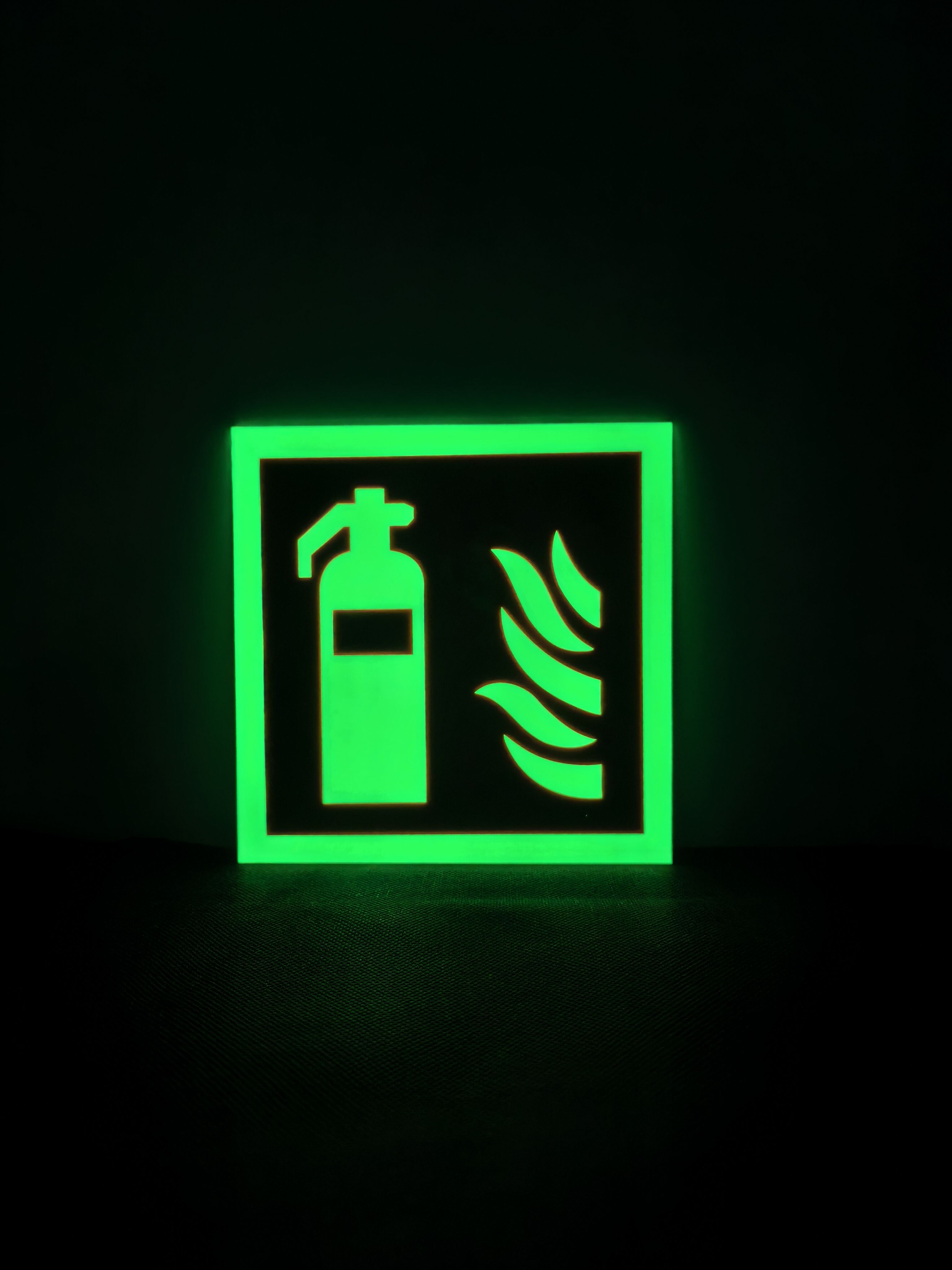
In an era where standing out from the crowd has never been more challenging, glow in the dark vinyl emerges as a revolutionary solution for creating eye-catching custom decals and stickers. This innovative material combines the versatility of traditional vinyl with the captivating appeal of photoluminescent technology, offering unlimited possibilities for both commercial and personal applications. Whether you're designing safety signage, promotional materials, or decorative elements, glow in the dark vinyl transforms ordinary surfaces into luminous displays that command attention even in complete darkness.
The growing demand for distinctive visual solutions has positioned glow in the dark vinyl as an essential material in industries ranging from automotive customization to architectural design. This remarkable substrate absorbs light energy during the day and releases it gradually when darkness falls, creating a mesmerizing glow that can last for hours. The technology behind this phenomenon involves phosphorescent pigments embedded within the vinyl matrix, allowing for consistent and reliable luminescence that outperforms traditional reflective materials in low-light conditions.
Understanding Photoluminescent Technology in Vinyl Applications
The Science Behind Luminescent Materials
Photoluminescent technology represents a breakthrough in material science, enabling ordinary vinyl substrates to exhibit extraordinary glowing properties. The process involves incorporating specialized phosphorescent compounds that absorb ultraviolet and visible light photons, storing this energy within their molecular structure. When external light sources are removed, these compounds gradually release the stored energy as visible light, creating the characteristic green-yellow glow associated with premium glow in the dark vinyl products.
Modern manufacturing techniques have significantly improved the efficiency and duration of photoluminescent materials. Advanced zinc sulfide and strontium aluminate compounds now provide superior brightness and extended glow times compared to earlier formulations. These improvements make contemporary glow in the dark vinyl suitable for critical applications where visibility and safety are paramount, including emergency evacuation signage and industrial safety markers.
Quality Standards and Performance Metrics
Professional-grade glow in the dark vinyl must meet stringent performance criteria to ensure consistent results across diverse applications. Key metrics include initial brightness levels, measured in millicandelas per square meter, and decay time characteristics that determine how long the material maintains visible luminescence. High-quality products typically provide initial brightness readings exceeding 300 mcd/m² and maintain detectable glow for over ten hours after a standard charging period.
Durability testing protocols evaluate the material's resistance to environmental factors such as temperature fluctuations, moisture exposure, and ultraviolet degradation. Premium glow in the dark vinyl formulations incorporate protective additives that preserve photoluminescent properties throughout extended outdoor exposure, ensuring reliable performance in challenging conditions. These quality assurances make the material suitable for permanent installations where long-term reliability is essential.
Manufacturing Processes and Material Composition
Advanced Production Techniques
The production of high-quality glow in the dark vinyl involves sophisticated manufacturing processes that ensure uniform distribution of photoluminescent particles throughout the substrate. Precision calendering techniques create consistent thickness profiles while maintaining optimal particle density for maximum luminescent output. Temperature-controlled extrusion processes prevent thermal degradation of sensitive phosphorescent compounds, preserving their light-absorption and emission characteristics.
Quality control measures throughout the manufacturing cycle include spectroscopic analysis to verify particle distribution uniformity and photometric testing to confirm brightness specifications. These rigorous procedures ensure that each roll of glow in the dark vinyl meets established performance standards, providing consistent results for end-users across various application scenarios.
Substrate Engineering and Adhesive Systems
The foundation of effective glow in the dark vinyl lies in carefully engineered substrate materials that provide dimensional stability while supporting optimal photoluminescent performance. Advanced polymer formulations balance flexibility requirements with structural integrity, enabling the material to conform to curved surfaces without compromising its glowing properties. Specialized additives enhance weather resistance and prevent premature aging that could diminish luminescent output over time.
Adhesive system selection plays a crucial role in overall performance, particularly for permanent installations. High-tack formulations ensure reliable bonding to diverse substrates including metals, plastics, and painted surfaces. The adhesive chemistry must remain stable under temperature cycling and moisture exposure while avoiding interactions that could affect the overlying glow in the dark vinyl layer. Removable adhesive options provide flexibility for temporary applications without leaving residue upon removal.
Application Techniques and Best Practices
Surface Preparation and Installation Methods
Successful glow in the dark vinyl installation begins with thorough surface preparation to ensure optimal adhesion and longevity. Clean, dry surfaces free from contaminants such as oils, dust, or release agents provide the ideal foundation for permanent installations. Surface energy considerations become particularly important when working with low-energy substrates like polyethylene or polypropylene, which may require primer application to achieve adequate bond strength.
Installation techniques vary depending on the complexity of the target surface and the size of the glow in the dark vinyl application. Flat installations benefit from standard application methods using squeegees or application rollers to eliminate air bubbles and ensure complete contact. Complex curved surfaces require careful heating and stretching techniques to prevent material stress that could lead to premature failure or visual distortions in the luminescent layer.
Environmental Considerations and Charging Requirements
Optimal performance from glow in the dark vinyl depends on adequate light exposure during the charging phase. Natural daylight provides excellent charging conditions, but artificial light sources can also effectively energize photoluminescent materials. The charging time required varies with light intensity and spectral composition, with full-spectrum light sources typically providing faster and more complete energy absorption than narrow-band alternatives.
Environmental factors including temperature and humidity can influence both charging efficiency and glow duration. Higher temperatures generally accelerate the energy release process, resulting in brighter initial glow but shorter overall duration. Conversely, cooler conditions tend to extend glow times while reducing peak brightness levels. Understanding these relationships enables users to optimize glow in the dark vinyl performance for specific environmental conditions.
Industry Applications and Market Opportunities
Safety and Emergency Signage Solutions
The safety signage sector represents one of the largest markets for glow in the dark vinyl applications, driven by regulatory requirements and growing awareness of emergency preparedness needs. Evacuation route markers, exit signs, and hazard identification labels benefit significantly from photoluminescent technology that remains visible during power failures or smoke-obscured conditions. These critical applications demand the highest quality glow in the dark vinyl materials with proven reliability and longevity.
Marine and aviation industries have adopted photoluminescent marking systems to enhance safety protocols in challenging environments. Aircraft emergency lighting strips, ship deck markers, and offshore platform identification systems utilize glow in the dark vinyl to provide essential visual guidance when conventional lighting systems fail. The material's resistance to harsh environmental conditions makes it particularly valuable in these demanding applications.
Automotive and Transportation Markets
Custom vehicle graphics and automotive safety applications continue to drive innovation in glow in the dark vinyl technology. Decorative applications range from accent stripes and logos to full-vehicle wraps that create dramatic visual effects during nighttime hours. Performance enhancements include improved conformability for complex curves and enhanced adhesion to automotive paint systems and trim components.
Commercial transportation fleets increasingly specify photoluminescent marking systems to improve visibility and safety compliance. Trailer conspicuity tape, fleet identification graphics, and hazardous material placards manufactured from glow in the dark vinyl provide enhanced visibility that exceeds conventional reflective materials in many scenarios. These applications demonstrate the material's versatility across diverse transportation sectors.
Design Considerations and Creative Applications
Color Options and Visual Effects
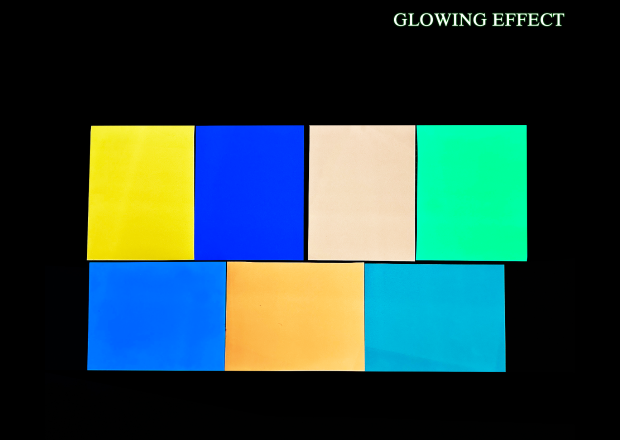
While traditional glow in the dark vinyl typically produces a characteristic green-yellow emission, modern formulations offer expanded color options including blue, aqua, and white variants. Each color option provides distinct visual characteristics and decay patterns, enabling designers to create sophisticated lighting effects and brand-specific color schemes. Multi-color installations combine different phosphorescent formulations to achieve complex visual displays that maintain interest throughout the glow cycle.
Special effect variations include materials with varying particle sizes that create textured luminescent surfaces and gradient formulations that produce controlled brightness transitions across the material surface. These advanced options expand creative possibilities for architectural applications, artistic installations, and premium branding initiatives that leverage the unique appeal of glow in the dark vinyl technology.
Integration with Digital Design Workflows
Modern design software packages increasingly support photoluminescent material specifications, enabling designers to visualize glow effects during the conceptual phase. Digital proofing systems can simulate the appearance of glow in the dark vinyl under various lighting conditions, helping clients understand how their designs will appear in both charged and discharged states. These tools streamline the design approval process and reduce the likelihood of costly revisions during production phases.
Vector-based design workflows accommodate the unique requirements of photoluminescent applications, including consideration of minimum feature sizes and optimal contrast ratios for maximum visibility. Design guidelines specific to glow in the dark vinyl applications help ensure that creative concepts translate effectively to finished products that meet both aesthetic and functional objectives.
Maintenance and Longevity Factors
Cleaning Protocols and Care Instructions
Proper maintenance of glow in the dark vinyl installations ensures optimal performance throughout the material's service life. Cleaning procedures should utilize mild detergents and soft application methods to avoid damaging the photoluminescent surface layer. Harsh chemicals and abrasive cleaning agents can compromise the integrity of phosphorescent particles, resulting in reduced brightness and shorter glow duration over time.
Regular cleaning schedules become particularly important for outdoor installations where environmental contaminants can accumulate on the material surface. Dust, pollen, and atmospheric pollutants can block light access to photoluminescent particles, reducing charging efficiency and overall performance. Establishing routine maintenance protocols helps preserve the investment in glow in the dark vinyl installations while ensuring consistent visual impact.
Performance Monitoring and Replacement Indicators
Long-term performance monitoring of glow in the dark vinyl installations involves periodic assessment of brightness levels and glow duration characteristics. Professional photometric measurements provide objective data about performance degradation over time, enabling informed decisions about maintenance requirements and replacement schedules. These measurements become particularly important for safety-critical applications where performance standards must be maintained.
Visual inspection protocols identify early signs of material degradation including surface chalking, color shifts, or reduced adhesion that could indicate the need for replacement or remediation. Establishing baseline performance data during initial installation provides reference points for future assessments and helps optimize replacement timing to maintain consistent performance levels throughout the installation lifecycle.
FAQ
How long does glow in the dark vinyl typically glow after being charged
High-quality glow in the dark vinyl can maintain visible luminescence for 8-12 hours after being fully charged with natural or artificial light. The initial brightness is highest immediately after charging and gradually decreases over time. Most professional-grade materials remain detectable to the human eye for at least 10 hours, with some premium formulations extending this duration even further under optimal conditions.
Can glow in the dark vinyl be used outdoors in all weather conditions
Premium glow in the dark vinyl formulations are engineered to withstand outdoor environmental conditions including rain, snow, temperature fluctuations, and UV exposure. Weather-resistant grades incorporate protective additives that preserve photoluminescent properties and substrate integrity throughout extended outdoor service. However, extreme conditions or prolonged exposure may gradually reduce performance, making regular assessment important for critical applications.
What types of surfaces are compatible with glow in the dark vinyl installation
Glow in the dark vinyl can be successfully applied to most clean, dry surfaces including metals, painted surfaces, glass, and many plastics. Surface energy considerations may require primer application for optimal adhesion to low-energy substrates like polyethylene or heavily textured surfaces. Proper surface preparation and adhesive selection ensure reliable bonding across diverse substrate materials commonly encountered in commercial and industrial applications.
Is special equipment required to cut and install glow in the dark vinyl
Standard vinyl cutting equipment including plotters, digital cutters, and manual cutting tools work effectively with glow in the dark vinyl materials. The photoluminescent particles may cause slightly faster blade wear compared to conventional vinyl, but no special cutting equipment is required. Installation follows standard vinyl application procedures, though care should be taken to avoid excessive stretching that could affect the distribution of luminescent particles within the material matrix.