EN
EN




Understanding how to maximize the performance of photoluminescent pigment is essential for achieving optimal glow duration and brightness in your applications. Whether you're working with safety signage, decorative elements, or specialized coatings, the key to success lies in proper preparation, application techniques, and ongoing maintenance practices. Professional-grade photoluminescent pigment requires specific handling protocols to ensure consistent results and long-lasting luminescent properties that meet industry standards and exceed user expectations.
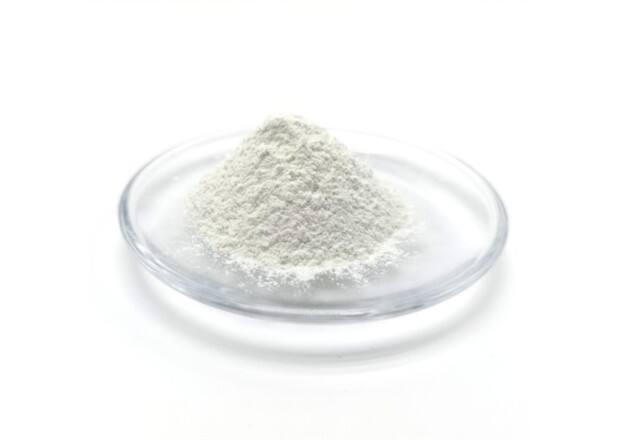
The science behind photoluminescent materials involves complex photochemical processes that determine both the initial brightness and the duration of the afterglow effect. Modern photoluminescent pigment formulations utilize advanced strontium aluminate compounds that significantly outperform traditional zinc sulfide-based alternatives. These newer formulations can maintain visible glow for extended periods, often exceeding 12 hours of detectible luminescence under optimal conditions. Understanding these fundamental principles allows users to make informed decisions about pigment selection, application methods, and performance optimization strategies.
Understanding Photoluminescent Pigment Chemistry
Composition and Active Materials
The effectiveness of photoluminescent pigment depends heavily on its chemical composition and crystal structure. High-performance formulations typically contain strontium aluminate doped with europium and dysprosium, creating a material capable of absorbing and storing light energy efficiently. These rare earth elements serve as activators and co-activators, enabling the pigment to capture photons across a broad spectrum and release them slowly over extended periods. The particle size distribution also plays a crucial role in determining both the charging efficiency and the glow intensity characteristics.
Quality photoluminescent pigment undergoes extensive purification processes to remove impurities that could interfere with the luminescent mechanism. Manufacturing standards ensure consistent particle morphology and optimal crystal lattice structure, directly impacting the material's ability to store and release light energy. Professional suppliers implement rigorous quality control measures, including spectroscopic analysis and standardized brightness testing, to guarantee performance specifications meet industrial requirements for critical applications.
Light Absorption and Energy Storage
The charging mechanism of photoluminescent pigment involves the absorption of photons with sufficient energy to excite electrons within the crystal lattice structure. Natural sunlight, fluorescent lighting, and LED sources all provide suitable excitation energy, though the charging efficiency varies depending on the light spectrum and intensity. Optimal charging typically requires exposure to light sources with wavelengths between 300-450 nanometers, with peak absorption occurring around 365 nanometers for most commercial formulations.
Energy storage capacity directly correlates with the duration and intensity of the afterglow effect. Premium photoluminescent pigment can store substantial amounts of light energy, releasing it gradually through phosphorescence over many hours. The storage mechanism involves electron trapping at specific energy levels within the crystal structure, with temperature and environmental conditions influencing both the charging rate and the subsequent energy release characteristics.
Optimization Techniques for Maximum Performance
Proper Charging Protocols
Achieving maximum glow duration requires implementing systematic charging protocols that ensure complete energy saturation of the photoluminescent pigment. Initial charging should involve exposure to bright light sources for at least 30 minutes, with some applications benefiting from extended charging periods up to several hours. The light intensity during charging significantly impacts the final performance, with higher intensity sources providing more thorough energy saturation and consequently longer afterglow duration.
Consistent charging schedules help maintain optimal performance characteristics over the operational lifetime of photoluminescent applications. Regular exposure to natural daylight or artificial lighting ensures the pigment maintains its energy storage capacity and continues delivering reliable luminescent performance. Environmental factors such as temperature, humidity, and ambient light conditions during the charging phase can significantly influence the effectiveness of the energy absorption process.
Application Layer Thickness and Density
The thickness and density of photoluminescent pigment applications directly affect both the initial brightness and the glow duration characteristics. Thicker applications typically provide longer glow times due to the increased volume of luminescent material, though diminishing returns occur beyond optimal thickness ranges. Professional applications often require specific pigment loading percentages to achieve desired performance levels while maintaining proper adhesion and durability properties.
Uniform distribution of photoluminescent pigment throughout the carrier medium ensures consistent glow characteristics across the entire surface area. Mixing techniques, application methods, and curing processes all contribute to achieving optimal pigment distribution and preventing settlement or aggregation issues that could compromise performance. Quality control measures during application help identify potential problems before they affect the final luminescent properties.
Environmental Factors Affecting Glow Duration
Temperature and Thermal Management
Temperature significantly influences the performance characteristics of photoluminescent pigment, with both charging efficiency and glow duration affected by thermal conditions. Elevated temperatures generally accelerate the energy release process, resulting in brighter initial glow but shorter overall duration. Conversely, lower temperatures tend to extend the glow duration while reducing the peak brightness levels. Understanding these thermal effects allows for performance optimization in specific environmental conditions.
Thermal cycling can impact the long-term stability of photoluminescent pigment, particularly in outdoor applications exposed to significant temperature variations. Repeated expansion and contraction cycles may affect the crystal structure and bonding characteristics, potentially reducing the luminescent performance over time. Proper formulation selection and protective coatings can help mitigate thermal stress effects and maintain consistent performance across varying temperature ranges.
Humidity and Moisture Protection
Moisture exposure poses significant challenges for maintaining optimal photoluminescent pigment performance, as water absorption can interfere with the luminescent mechanism and degrade the crystal structure. High humidity environments may cause gradual performance degradation, while direct water contact can lead to rapid deterioration of unprotected pigment applications. Waterproof formulations and protective barrier coatings provide essential moisture protection for outdoor and high-humidity applications.
Proper sealing and encapsulation techniques help preserve the integrity of photoluminescent pigment in challenging environmental conditions. Advanced polymer matrices and hydrophobic additives create effective moisture barriers while allowing light transmission for charging purposes. Regular inspection and maintenance protocols help identify potential moisture infiltration issues before they compromise the luminescent performance characteristics.
Application-Specific Optimization Strategies
Safety and Emergency Applications
Emergency safety applications require photoluminescent pigment formulations optimized for maximum reliability and extended glow duration under critical conditions. These applications typically demand consistent performance over many years, with minimal maintenance requirements and proven durability in challenging environments. Regulatory compliance standards often specify minimum brightness levels and glow duration requirements that must be maintained throughout the operational lifetime.
Testing and certification protocols for safety applications involve rigorous performance validation under simulated emergency conditions. Photoluminescent pigment used in evacuation systems must demonstrate reliable performance after extended periods without charging, ensuring visibility when needed most. Quality assurance measures include accelerated aging tests, environmental stress testing, and long-term performance monitoring to verify continued compliance with safety standards.
Decorative and Artistic Applications
Decorative applications of photoluminescent pigment often prioritize visual impact and aesthetic appeal over extended duration requirements. These applications may benefit from specialized formulations that provide intense initial brightness for dramatic visual effects, even if the glow duration is somewhat reduced. Color variations and special effect pigments expand the creative possibilities while maintaining the fundamental luminescent properties.
Artistic applications frequently involve experimental techniques and custom formulations to achieve specific visual effects. Photoluminescent pigment can be combined with other materials, applied in varying thicknesses, or integrated into complex multilayer systems to create unique luminescent characteristics. Understanding the interaction between different materials and application techniques helps artists and designers optimize their creative vision while maintaining practical performance requirements.
Maintenance and Longevity Considerations
Regular Inspection and Performance Monitoring
Maintaining optimal performance of photoluminescent pigment applications requires systematic inspection and monitoring protocols to identify potential issues before they affect functionality. Regular visual assessments help detect surface contamination, physical damage, or degradation that could compromise the luminescent properties. Professional maintenance programs often include standardized testing procedures to quantify brightness levels and glow duration characteristics over time.
Performance monitoring data provides valuable insights into the long-term behavior of photoluminescent pigment under specific operating conditions. Trend analysis helps predict maintenance requirements and optimize replacement schedules to ensure continued reliability. Documentation of performance characteristics also supports warranty claims and helps establish best practices for similar applications in comparable environments.
Cleaning and Surface Preparation
Proper cleaning techniques are essential for maintaining the light absorption capacity of photoluminescent pigment surfaces. Contamination from dust, oils, or other substances can significantly reduce charging efficiency and compromise the overall performance. Gentle cleaning methods using appropriate solvents and techniques help preserve the pigment integrity while removing surface contaminants that interfere with light transmission.
Surface preparation becomes particularly important for photoluminescent pigment applications in industrial environments where contamination exposure is frequent. Protective coatings and regular maintenance schedules help minimize contamination buildup and extend the operational lifetime. Understanding the compatibility between cleaning agents and specific photoluminescent formulations prevents inadvertent damage during maintenance procedures.
Advanced Formulation Technologies
Encapsulation and Protection Systems
Modern photoluminescent pigment formulations often incorporate advanced encapsulation technologies that enhance durability and performance characteristics. Protective coatings and encapsulation systems shield the luminescent materials from environmental degradation while maintaining optical transparency for efficient light absorption. These protection systems may include UV stabilizers, moisture barriers, and chemical resistance additives tailored to specific application requirements.
Nano-encapsulation techniques represent the latest advancement in photoluminescent pigment protection, offering superior performance in demanding applications. These microscopic protective shells preserve the crystal structure and luminescent properties while providing enhanced resistance to chemical attack, thermal cycling, and mechanical wear. Research continues into next-generation protection systems that could further extend the operational lifetime and performance reliability of photoluminescent materials.
Hybrid Material Systems
Innovative hybrid systems combine photoluminescent pigment with complementary technologies to create enhanced performance characteristics. Reflective additives can increase the apparent brightness by redirecting ambient light back through the luminescent layer, while thermochromic materials add temperature-responsive visual effects. These hybrid approaches expand the functionality and visual appeal of photoluminescent applications.
Integration with smart materials and responsive systems opens new possibilities for dynamic photoluminescent applications. Photoresponsive polymers, electrochromic materials, and other advanced technologies can be combined with photoluminescent pigment to create interactive displays and adaptive signage systems. These innovations demonstrate the evolving potential of photoluminescent materials in modern technology applications.
FAQ
How long can photoluminescent pigment maintain visible glow
High-quality photoluminescent pigment can maintain detectable glow for 8-12 hours or more after proper charging, with peak brightness occurring within the first hour. The exact duration depends on the specific formulation, application thickness, charging conditions, and environmental factors. Premium strontium aluminate-based pigments significantly outperform older zinc sulfide formulations, offering both brighter initial glow and extended duration characteristics.
What lighting conditions provide the best charging for photoluminescent pigment
Natural sunlight provides excellent charging for photoluminescent pigment, though fluorescent and LED lighting can also achieve effective energy saturation. UV-rich light sources offer the most efficient charging, with optimal wavelengths around 365 nanometers. Charging typically requires 15-30 minutes of bright light exposure, though longer charging periods can enhance the glow duration and intensity for demanding applications.
Can photoluminescent pigment performance degrade over time
Quality photoluminescent pigment formulations maintain their luminescent properties for many years under normal conditions, though gradual performance degradation may occur due to environmental exposure, UV radiation, or chemical contamination. Proper application techniques, protective coatings, and regular maintenance help maximize the operational lifetime and preserve optimal performance characteristics throughout the service life.
What factors most significantly impact photoluminescent pigment glow duration
The most critical factors affecting glow duration include the pigment quality and formulation, application thickness, charging light intensity and duration, temperature conditions, and surface cleanliness. Premium photoluminescent pigment with proper application and optimal charging conditions can deliver maximum performance, while suboptimal conditions in any of these areas may significantly reduce both brightness and duration characteristics.