EN
EN


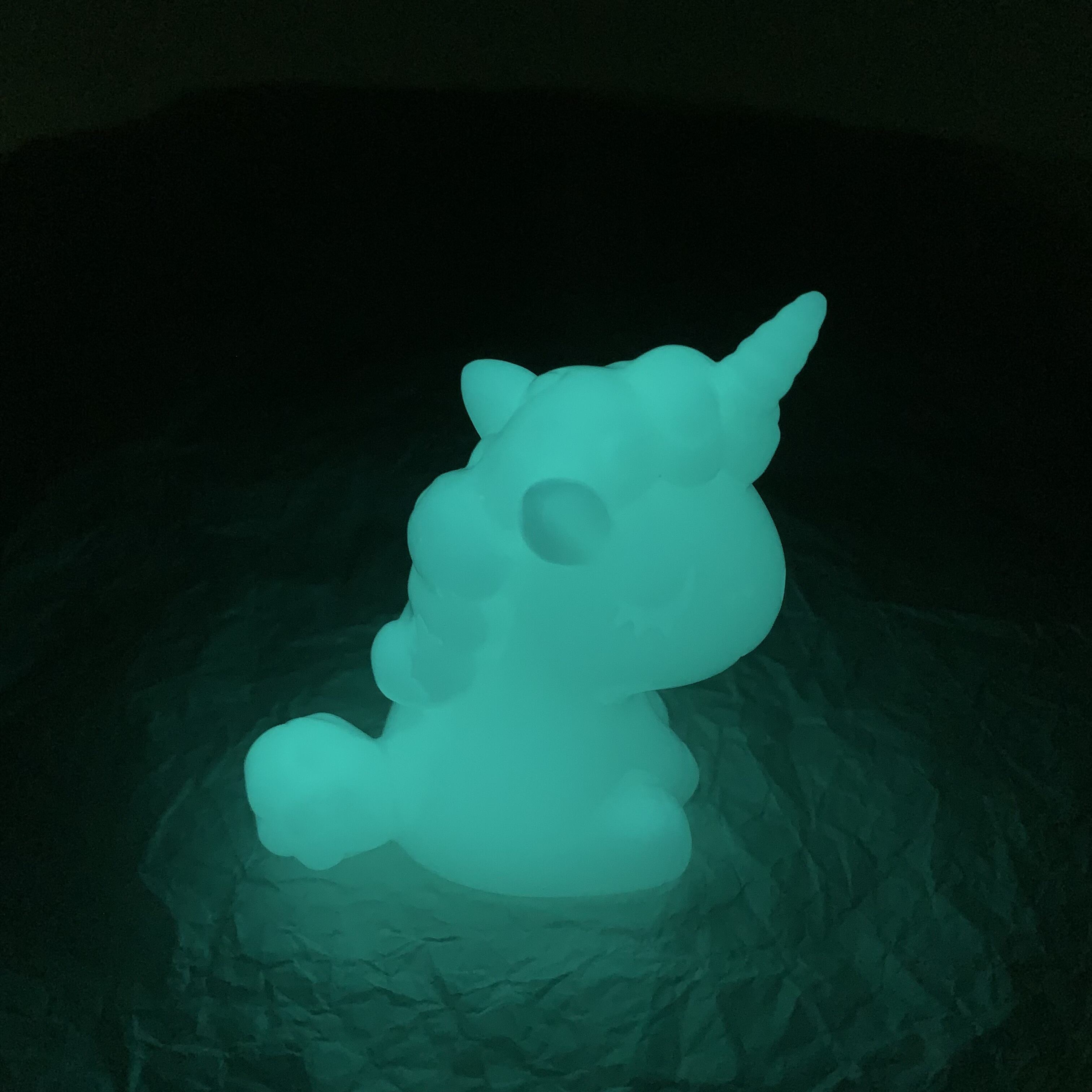
The technology sector has witnessed remarkable innovations in materials science, particularly with the development of specialized thermoplastic polyurethanes that exhibit photoluminescent properties. Glow in the dark TPU represents a breakthrough in functional materials, combining the flexibility and durability of traditional thermoplastic polyurethane with unique light-emitting capabilities. This advanced material has revolutionized the manufacturing of consumer electronics accessories and wearable devices, offering both aesthetic appeal and practical functionality in low-light environments. The integration of phosphorescent compounds within the polymer matrix creates products that absorb ambient light during the day and emit a distinctive glow when darkness falls.
Material Properties and Composition of Photoluminescent Thermoplastic Polyurethane
Chemical Structure and Luminescent Integration
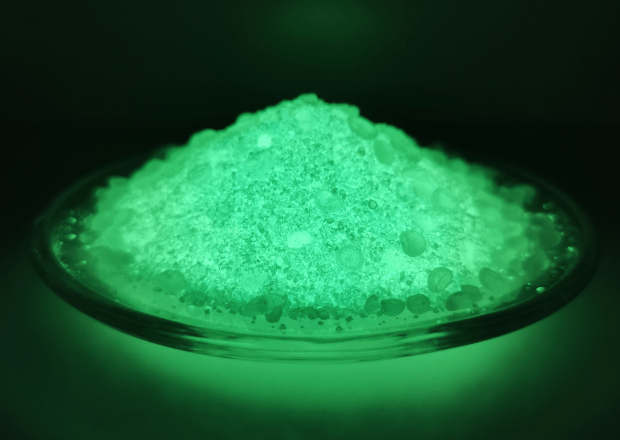
The fundamental composition of glow in the dark TPU involves the incorporation of photoluminescent pigments into a thermoplastic polyurethane base matrix. These pigments, typically strontium aluminate or zinc sulfide compounds, are embedded uniformly throughout the polymer structure during the manufacturing process. The thermoplastic polyurethane provides excellent mechanical properties including high elasticity, tear resistance, and chemical stability, while the luminescent additives contribute the characteristic glow functionality. The molecular structure allows for optimal light absorption in the visible spectrum, particularly in the blue and ultraviolet ranges, which then converts to visible light emission in darker conditions.
Manufacturing processes for glow in the dark TPU require precise control of temperature, mixing ratios, and processing conditions to ensure uniform distribution of luminescent particles. The polymerization process must maintain the integrity of both the thermoplastic matrix and the photoluminescent compounds. Advanced extrusion techniques allow for consistent particle dispersion, preventing aggregation that could compromise both mechanical properties and glow performance. Quality control measures throughout production ensure that the final material meets specifications for both durability and luminescent intensity.
Performance Characteristics and Durability
The performance characteristics of glow in the dark TPU extend beyond simple light emission, encompassing mechanical strength, environmental resistance, and longevity of luminescent properties. Shore hardness ratings typically range from 70A to 95A, providing flexibility suitable for various applications while maintaining structural integrity. Temperature resistance spans from negative forty degrees Celsius to positive eighty degrees Celsius, accommodating diverse environmental conditions encountered in consumer electronics and wearable applications. The material exhibits excellent resistance to oils, chemicals, and abrasion, ensuring long-term performance in demanding applications.
Glow duration and intensity represent critical performance metrics for photoluminescent thermoplastic polyurethane applications. High-quality formulations can maintain visible glow for eight to twelve hours after light exposure, with peak intensity occurring within the first hour of darkness. The charging efficiency depends on both the intensity and duration of light exposure, with natural sunlight and artificial UV sources providing optimal activation. Repeated charge and discharge cycles show minimal degradation over the expected product lifetime, making glow in the dark TPU suitable for long-term consumer applications.
Phone Case Applications and Design Innovation
Protective Functionality Enhancement
Phone cases manufactured from glow in the dark TPU provide dual functionality by combining device protection with enhanced visibility in low-light conditions. The thermoplastic polyurethane base offers superior impact absorption and shock resistance compared to rigid plastic alternatives, protecting smartphones from drops and impacts. The flexible nature of the material allows for precise fitting around device contours, ensuring access to ports, cameras, and control buttons while maintaining protective coverage. Edge protection features benefit from the material's ability to compress and recover, distributing impact forces across the case structure.
Design considerations for luminescent phone cases include thickness optimization to balance protection with device aesthetics and functionality. The glow in the dark TPU material allows for intricate design patterns and textures that enhance both visual appeal and grip characteristics. Manufacturing techniques enable the creation of varying luminescent intensities across different case sections, allowing for creative design elements such as logo highlighting or pattern emphasis. The material's moldability supports complex geometries required for modern smartphone designs, including camera bump accommodation and wireless charging compatibility.
Market Trends and Consumer Preferences
Consumer demand for functional phone accessories has driven significant growth in the photoluminescent case market, with glow in the dark TPU products capturing substantial market share. The ability to locate phones in dark environments represents a practical benefit that resonates with users across diverse demographics. Gaming enthusiasts particularly appreciate the aesthetic appeal of glowing accessories that complement LED-backlit devices and gaming setups. The material's compatibility with various color formulations allows manufacturers to offer extensive customization options, meeting diverse consumer preferences for personal expression.
Market research indicates strong consumer preference for cases that combine protection with unique visual features, positioning glow in the dark TPU products as premium offerings in the accessories market. The durability of the luminescent effect ensures customer satisfaction over extended use periods, reducing warranty claims and return rates. Retail presentation benefits from the material's dramatic visual impact under appropriate lighting conditions, supporting point-of-sale marketing efforts. Online marketing leverages the unique visual properties through video demonstrations and time-lapse photography showcasing the glow effect.
Watch Strap Manufacturing and Wearable Integration
Comfort and Ergonomic Design
Watch straps manufactured from glow in the dark TPU excel in applications requiring extended wear comfort and skin compatibility. The material's hypoallergenic properties make it suitable for sensitive skin types, reducing the risk of contact dermatitis common with some synthetic materials. Flexibility characteristics allow the strap to conform naturally to wrist contours, distributing pressure evenly and preventing pressure points that could cause discomfort during extended wear. The non-porous surface resists bacterial growth and facilitates easy cleaning, important considerations for fitness and health monitoring applications.
Ergonomic design considerations benefit from the material's ability to maintain flexibility across temperature variations, ensuring consistent comfort in diverse environmental conditions. The thermoplastic nature allows for precision molding of buckle attachments, pin holes, and texture patterns that enhance functionality and aesthetics. Glow in the dark TPU watch straps maintain their shape memory properties over thousands of flexing cycles, preventing permanent deformation that could compromise fit and comfort. Surface treatments can modify texture and grip characteristics while preserving the underlying luminescent properties.
Sports and Fitness Applications
Athletic and fitness applications represent a significant market segment for glow in the dark TPU watch straps, where visibility and durability requirements are particularly demanding. The material's resistance to perspiration, oils, and cleaning chemicals makes it ideal for intensive exercise environments. Luminescent properties provide safety benefits for outdoor activities conducted in low-light conditions, enhancing visibility for both the wearer and others. The material's quick-dry characteristics prevent moisture retention that could lead to bacterial growth or unpleasant odors.
Professional athletes and fitness enthusiasts appreciate the combination of performance characteristics and unique aesthetics offered by photoluminescent watch straps. The material's fatigue resistance ensures reliable performance during repetitive motion activities such as running, cycling, or weightlifting. Glow in the dark TPU formulations can incorporate antimicrobial additives without compromising luminescent performance, addressing hygiene concerns in shared equipment environments. The material's chemical resistance allows for compatibility with various cleaning protocols required in professional sports and healthcare settings.
Advanced Wearable Device Integration
Smart Technology Compatibility
The integration of glow in the dark TPU in advanced wearable devices extends beyond traditional watch applications to include fitness trackers, medical monitoring devices, and augmented reality accessories. The material's electrical properties can be modified to accommodate conductive pathways required for touch-sensitive interfaces and charging connections. Electromagnetic compatibility ensures that luminescent additives do not interfere with sensitive electronic components or wireless communication protocols. The material's dimensional stability under varying environmental conditions maintains precise tolerances required for electronic device housings.
Manufacturing processes for wearable devices utilizing glow in the dark TPU must consider the integration of electronic components during molding operations. Insert molding techniques allow for the embedding of sensors, antennas, and connection points within the luminescent thermoplastic structure. The material's processing temperature range accommodates heat-sensitive electronic components while ensuring complete encapsulation and protection. Quality assurance protocols verify both electronic functionality and luminescent performance throughout the manufacturing process.
Healthcare and Medical Device Applications
Healthcare applications for glow in the dark TPU wearables focus on patient monitoring devices where visibility in low-light environments enhances safety and compliance. Medical-grade formulations meet biocompatibility requirements for extended skin contact while maintaining luminescent functionality. The material's resistance to sterilization processes including gamma radiation, ethylene oxide, and steam autoclaving makes it suitable for reusable medical devices. Regulatory compliance considerations include FDA approval pathways for medical device applications incorporating photoluminescent materials.
Patient compliance benefits from the visual reminder provided by glowing medical devices, particularly important for medication timing and monitoring schedule adherence. The material's durability ensures reliable performance throughout typical medical device lifecycles, reducing replacement costs and maintenance requirements. Glow in the dark TPU medical wearables can incorporate color-coding systems that provide visual status indicators for various health parameters or device functions. The material's chemical resistance accommodates exposure to sanitizers and cleaning agents commonly used in healthcare environments.
Manufacturing Processes and Quality Control
Production Methodologies and Equipment Requirements
Manufacturing glow in the dark TPU products requires specialized equipment capable of processing thermoplastic materials while preserving luminescent particle integrity. Injection molding systems must maintain precise temperature control to prevent degradation of photoluminescent compounds during processing. Screw design and processing parameters require optimization to achieve uniform particle distribution without excessive shear that could damage luminescent additives. Multi-stage processing allows for the gradual incorporation of luminescent materials into the thermoplastic matrix.
Extrusion processes for sheet and film production of glow in the dark TPU utilize specialized die designs that minimize particle settling and ensure consistent thickness distribution. Temperature profiling throughout the extruder barrel prevents hotspots that could degrade luminescent performance while maintaining adequate melt flow for processing. Downstream equipment including cooling rolls and winding systems must accommodate the material's unique thermal properties and prevent surface marking that could affect appearance quality. Process monitoring systems track both thermal history and particle distribution throughout production runs.
Quality Assurance and Testing Protocols
Quality control procedures for glow in the dark TPU products encompass both traditional thermoplastic testing methods and specialized luminescent performance evaluations. Mechanical property testing includes tensile strength, elongation, tear resistance, and compression set measurements performed according to established ASTM standards. Luminescent performance testing utilizes standardized light exposure protocols followed by glow intensity measurements using calibrated photometers. Aging tests evaluate both mechanical property retention and luminescent decay under accelerated environmental conditions.
Batch-to-batch consistency requires statistical process control methods that monitor critical quality parameters throughout production. Color matching protocols ensure consistent appearance under both ambient and excited conditions, important for consumer product applications. Environmental testing simulates real-world exposure conditions including UV radiation, thermal cycling, and chemical exposure to validate long-term performance predictions. Documentation systems track material lot numbers and processing conditions to enable traceability and facilitate continuous improvement initiatives.
Future Developments and Industry Trends
Emerging Technologies and Applications
Future developments in glow in the dark TPU technology focus on enhanced luminescent efficiency, extended glow duration, and expanded color options beyond traditional green emissions. Research into advanced photoluminescent compounds promises brighter initial intensity and slower decay rates, extending useful glow times to twenty-four hours or more. Nanotechnology applications enable the development of smaller, more efficient luminescent particles that can be incorporated at higher concentrations without compromising mechanical properties. Smart materials research explores temperature-responsive and pressure-sensitive luminescent systems that could provide dynamic visual feedback.
Integration with Internet of Things (IoT) devices represents a growing application area where glow in the dark TPU provides both protective housing and visual status indication. Wearable technology trends toward smaller, more sophisticated devices that benefit from the dual functionality offered by luminescent thermoplastic materials. Automotive applications explore the use of photoluminescent wearables for safety and identification purposes in industrial and emergency response scenarios. The development of biodegradable luminescent thermoplastics addresses environmental sustainability concerns while maintaining performance characteristics.
Market Expansion and Commercial Opportunities
The global market for glow in the dark TPU applications continues expanding across diverse industry segments including consumer electronics, healthcare, automotive, and safety equipment. Emerging markets show particular interest in functional materials that provide added value without significant cost premiums. Commercial opportunities exist in custom formulation development for specialized applications requiring specific combinations of mechanical properties and luminescent performance. Partnership opportunities with device manufacturers enable the integration of glow in the dark TPU into next-generation products from the design phase.
Market differentiation strategies focus on performance advantages and unique aesthetic properties that justify premium pricing compared to conventional thermoplastic alternatives. Brand licensing opportunities allow consumer product manufacturers to leverage the visual impact of luminescent materials in marketing and product positioning. Export opportunities continue growing as international markets recognize the functional benefits and commercial potential of photoluminescent thermoplastic products. Investment in production capacity and technology development supports anticipated demand growth across multiple application segments.
FAQ
How long does the glow effect last in TPU products
The glow duration in high-quality glow in the dark TPU products typically ranges from eight to twelve hours after adequate light exposure, with the brightest intensity occurring within the first two hours of darkness. The longevity of the glow effect depends on factors including the concentration and type of luminescent particles, the charging light intensity and duration, and environmental temperature. Products charged with direct sunlight or UV light sources generally exhibit longer and brighter glow periods compared to those charged with standard indoor lighting.
Is glow in the dark TPU safe for skin contact in wearable devices
Medical-grade formulations of glow in the dark TPU are specifically designed for extended skin contact applications and meet biocompatibility standards for wearable devices. The luminescent compounds used in quality formulations are encapsulated within the polymer matrix, preventing direct skin exposure to phosphorescent materials. Hypoallergenic properties and resistance to bacterial growth make the material suitable for sensitive skin types, though individuals with known material sensitivities should consult with manufacturers regarding specific formulation details.
What maintenance is required for glow in the dark TPU accessories
Glow in the dark TPU accessories require minimal maintenance beyond regular cleaning with mild soap and water to preserve both appearance and luminescent performance. Periodic exposure to bright light sources helps maintain optimal glow intensity, though normal ambient lighting is typically sufficient for daily charging. Avoid exposure to harsh chemicals, extreme temperatures, and sharp objects that could damage the material surface. The luminescent properties do not degrade significantly over the typical product lifetime when properly cared for.
Can glow in the dark TPU be recycled or is it environmentally friendly
Traditional glow in the dark TPU can be mechanically recycled through processes similar to other thermoplastic materials, though the presence of luminescent additives may limit recycling applications. Some manufacturers are developing biodegradable formulations that maintain luminescent properties while offering improved environmental compatibility. The long service life of quality glow in the dark TPU products reduces replacement frequency, contributing to overall environmental sustainability compared to shorter-lived alternatives. Proper disposal methods should follow local regulations for thermoplastic materials.
Table of Contents
- Material Properties and Composition of Photoluminescent Thermoplastic Polyurethane
- Phone Case Applications and Design Innovation
- Watch Strap Manufacturing and Wearable Integration
- Advanced Wearable Device Integration
- Manufacturing Processes and Quality Control
- Future Developments and Industry Trends
- FAQ