EN
EN



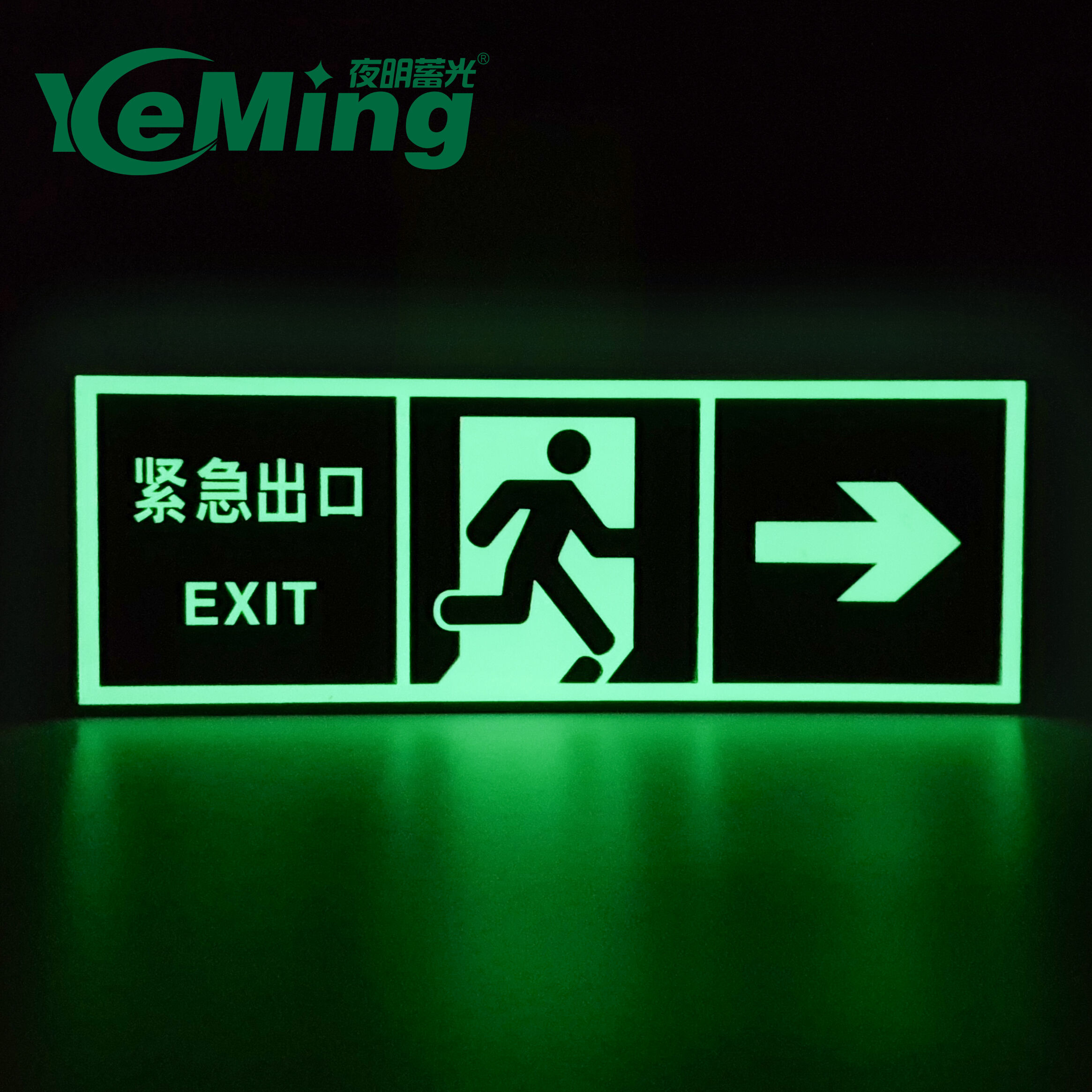
Industrial sectors worldwide are increasingly adopting innovative materials that enhance safety, reduce energy consumption, and provide sustainable solutions for complex challenges. Among these revolutionary materials, photoluminescent pigment stands out as a game-changing technology that transforms how industries approach visibility, emergency preparedness, and operational efficiency. This remarkable substance absorbs ambient light during normal conditions and releases it slowly in darkness, creating a self-sustaining luminous effect that requires no external power source.

The versatility of photoluminescent pigment extends far beyond simple glow-in-the-dark novelty applications. Modern industrial formulations deliver exceptional performance characteristics including superior brightness levels, extended glow duration, and resistance to environmental factors such as moisture, temperature fluctuations, and chemical exposure. These advanced properties make photoluminescent pigment an ideal solution for critical industrial applications where reliability and performance cannot be compromised.
Industries ranging from aerospace and marine to manufacturing and construction have discovered that incorporating photoluminescent pigment into their operations provides significant advantages in terms of safety compliance, cost reduction, and environmental sustainability. The growing adoption of this technology reflects its proven ability to meet stringent industrial requirements while delivering measurable benefits that directly impact operational outcomes and worker safety protocols.
Safety Signage and Emergency Egress Systems
Critical Path Marking in Industrial Facilities
Manufacturing plants, chemical processing facilities, and heavy industrial complexes require robust emergency egress systems that function reliably during power outages or emergency situations. Photoluminescent pigment integrated into pathway marking systems ensures that escape routes remain clearly visible even when primary lighting systems fail. These applications are particularly crucial in environments where toxic gases, explosive materials, or other hazardous substances create time-sensitive evacuation scenarios.
The strategic placement of photoluminescent pigment-based markers along corridors, stairways, and exit routes creates a continuous visual guide that helps workers navigate safely to designated assembly points. Unlike battery-powered emergency lighting systems that may fail during extended outages, photoluminescent pigment continues to provide illumination for hours after the initial light source is removed, ensuring consistent performance when it matters most.
Regulatory Compliance and Standards Integration
Industrial safety regulations increasingly recognize the value of photoluminescent pigment systems in meeting emergency preparedness requirements. Organizations such as the International Maritime Organization and various national safety authorities have established specific guidelines for the implementation of photoluminescent materials in critical safety applications. These regulations ensure that photoluminescent pigment installations meet minimum brightness levels, glow duration requirements, and durability standards.
Compliance with these evolving standards requires careful selection of high-performance photoluminescent pigment formulations that can withstand the demanding conditions typical of industrial environments. Factors such as temperature resistance, chemical compatibility, and long-term stability become critical considerations when implementing these systems in facilities that operate around the clock under challenging conditions.
Marine and Offshore Applications
Vessel Safety and Navigation Enhancement
The marine industry has embraced photoluminescent pigment technology as an essential component of comprehensive safety systems aboard commercial vessels, offshore platforms, and naval installations. Ship operators integrate this technology into handrails, deck markings, life jacket components, and emergency equipment locations to ensure visibility during low-light conditions or emergency situations when electrical power may be compromised.
Offshore drilling platforms and production facilities face unique challenges related to their remote locations and exposure to harsh marine environments. Photoluminescent pigment formulated specifically for marine applications provides exceptional resistance to saltwater corrosion, UV degradation, and extreme weather conditions while maintaining consistent luminous performance throughout extended operational cycles.
Emergency Response and Rescue Operations
Search and rescue operations in marine environments often occur under challenging visibility conditions where traditional lighting may be ineffective or unavailable. Photoluminescent pigment incorporated into rescue equipment, survival suits, and emergency signaling devices provides crucial visibility enhancements that can mean the difference between successful rescue operations and tragic outcomes.
The integration of photoluminescent pigment into life rafts, emergency slides, and flotation devices creates highly visible markers that remain effective for extended periods without requiring battery power or maintenance. This reliability factor is particularly important in emergency scenarios where equipment must function flawlessly despite prolonged exposure to harsh marine conditions.
Transportation Infrastructure and Vehicle Safety
Airport and Aviation Ground Support
Aviation ground operations require precise visual guidance systems to ensure safe aircraft movement during all weather conditions and lighting scenarios. Photoluminescent pigment integrated into runway markings, taxiway guidance systems, and ground support equipment provides essential visibility enhancements that complement traditional lighting infrastructure while offering backup illumination capabilities during power disruptions.
Airport maintenance vehicles, baggage handling equipment, and ground support machinery incorporate photoluminescent pigment into safety markings and identification systems to enhance visibility on busy tarmacs. These applications help prevent accidents and improve operational efficiency by ensuring that personnel and equipment remain clearly visible to pilots, air traffic controllers, and other ground crew members operating in complex airport environments.
Highway and Rail Transportation Systems
Transportation authorities worldwide have implemented photoluminescent pigment technology in highway barrier systems, rail platform markings, and tunnel safety installations. These applications provide enhanced visibility during nighttime conditions while reducing dependence on electrical lighting systems that require ongoing maintenance and energy consumption.
Railway operations benefit from photoluminescent pigment applications in platform edge markings, emergency evacuation indicators, and train car identification systems. The long-lasting glow characteristics of modern photoluminescent pigment formulations ensure consistent performance throughout extended operational periods while providing reliable visibility guidance for passengers and maintenance personnel in underground stations and tunnel environments.
Manufacturing and Industrial Equipment
Machine Safety and Hazard Identification
Manufacturing facilities integrate photoluminescent pigment into machine safety systems to enhance worker protection and comply with occupational safety regulations. Equipment manufacturers incorporate this technology into control panels, emergency stop mechanisms, and hazard warning systems to ensure that critical safety features remain visible even during power outages or reduced lighting conditions.
The application of photoluminescent pigment to rotating machinery guards, conveyor systems, and automated production equipment helps prevent accidents by maintaining visibility of potential hazard zones. This proactive safety approach reduces the likelihood of workplace injuries while ensuring compliance with increasingly stringent industrial safety standards that emphasize prevention rather than reaction to safety incidents.
Quality Control and Process Monitoring
Precision manufacturing operations utilize photoluminescent pigment in quality control applications where consistent visibility is essential for accurate inspection and monitoring procedures. Specialized formulations provide controlled luminosity levels that enable detailed visual inspection without interfering with sensitive manufacturing processes or electronic equipment.
Process monitoring applications benefit from photoluminescent pigment integration into gauge markings, instrument panels, and status indicators that must remain readable during all operational conditions. The reliability and consistency of photoluminescent pigment performance ensures that critical process information remains accessible to operators and maintenance personnel throughout extended production cycles.
Architectural and Construction Applications
Building Code Compliance and Safety Integration
Modern construction projects increasingly incorporate photoluminescent pigment technology to meet evolving building safety codes and energy efficiency requirements. Architects and engineers specify these materials for integration into emergency egress systems, stairwell markings, and exit identification that must function reliably during power outages or emergency evacuations.
High-rise buildings, shopping centers, and public assembly facilities benefit from photoluminescent pigment installations that provide consistent emergency guidance without requiring backup power systems or ongoing electrical maintenance. These installations offer long-term cost savings while ensuring compliance with fire safety regulations that mandate reliable emergency lighting and egress identification systems.
Sustainable Design and Energy Efficiency
Green building initiatives recognize photoluminescent pigment as a sustainable technology that reduces energy consumption while providing essential safety functionality. LEED certification programs and similar environmental standards award credits for building designs that incorporate energy-efficient lighting alternatives, including strategically implemented photoluminescent pigment systems.
The integration of photoluminescent pigment into architectural elements such as handrails, floor markings, and decorative features creates visually appealing installations that serve dual purposes of aesthetic enhancement and practical functionality. These applications demonstrate how advanced materials can contribute to both design objectives and operational efficiency in modern construction projects.
Specialized Industrial Applications
Chemical and Petrochemical Facilities
Chemical processing facilities require specialized safety systems that can withstand exposure to corrosive substances, extreme temperatures, and potentially explosive atmospheres. Photoluminescent pigment formulated for these demanding environments provides reliable emergency guidance while maintaining chemical resistance and explosion-proof characteristics essential for safe operation in hazardous locations.
Petrochemical refineries integrate photoluminescent pigment into pipeline marking systems, equipment identification, and emergency response protocols that must function effectively during process upsets or emergency shutdown procedures. The ability of photoluminescent pigment to maintain visibility without creating ignition sources makes it particularly valuable in environments where conventional electrical lighting poses safety risks.
Nuclear and Defense Applications
Nuclear facilities and defense installations utilize photoluminescent pigment in specialized applications where electromagnetic interference, radiation exposure, or security considerations preclude the use of conventional lighting systems. These environments require materials that can maintain consistent performance while meeting stringent safety and security requirements.
Defense applications benefit from photoluminescent pigment technology in portable equipment, vehicle markings, and temporary installations where battery-powered lighting may be impractical or compromise operational security. The passive nature of photoluminescent pigment illumination provides tactical advantages while ensuring reliable visibility for personnel and equipment in challenging operational environments.
Future Developments and Innovation Trends
Advanced Formulation Technologies
Research and development efforts continue to enhance photoluminescent pigment performance through improved crystal structures, enhanced charge retention capabilities, and specialized coating technologies. These advances promise longer glow duration, increased brightness levels, and improved environmental resistance that will expand the range of viable industrial applications.
Nanotechnology integration represents a significant advancement in photoluminescent pigment development, enabling the creation of ultra-fine particles that can be incorporated into previously challenging applications such as transparent coatings, flexible substrates, and composite materials. These innovations open new possibilities for integrating photoluminescent pigment into complex industrial systems while maintaining material properties and performance characteristics.
Smart Integration and IoT Connectivity
Emerging applications combine photoluminescent pigment with smart sensors and IoT connectivity to create intelligent safety systems that provide real-time monitoring and automated response capabilities. These hybrid systems leverage the passive illumination properties of photoluminescent pigment while adding digital communication and control features that enhance overall system effectiveness.
Integration with building automation systems allows photoluminescent pigment installations to coordinate with other safety systems, providing comprehensive emergency response capabilities that adapt to changing conditions and provide enhanced situational awareness during critical incidents. These developments represent the evolution of photoluminescent pigment from passive safety enhancement to active system integration.
FAQ
What factors should be considered when selecting photoluminescent pigment for industrial applications
Selecting appropriate photoluminescent pigment for industrial applications requires evaluation of environmental conditions, performance requirements, and regulatory compliance needs. Key factors include temperature resistance, chemical compatibility, moisture exposure, UV stability, and required glow duration. Additionally, consideration must be given to substrate compatibility, application method, and long-term maintenance requirements to ensure optimal performance throughout the expected service life.
How does photoluminescent pigment performance compare to battery-powered emergency lighting systems
Photoluminescent pigment offers several advantages over battery-powered emergency lighting including zero maintenance requirements, no battery replacement costs, unlimited shelf life, and reliable operation in extreme temperatures. However, battery systems typically provide higher initial brightness levels and consistent illumination intensity. The optimal choice depends on specific application requirements, with many facilities implementing hybrid approaches that combine both technologies for comprehensive emergency lighting coverage.
What are the typical glow duration expectations for industrial-grade photoluminescent pigment
High-quality photoluminescent pigment formulated for industrial applications typically provides visible glow for 8-12 hours after light source removal, with the brightest illumination occurring during the first 2-4 hours. Glow duration and intensity depend on factors including pigment quality, particle size, charging time, light source intensity, and environmental conditions. Industrial specifications often require minimum brightness levels at specific time intervals to ensure compliance with safety regulations and performance standards.
Can photoluminescent pigment be applied to existing industrial infrastructure and equipment
Photoluminescent pigment can be retrofitted to existing industrial infrastructure through various application methods including spray coatings, brush-on formulations, and adhesive-backed films or tapes. Successful retrofit applications require proper surface preparation, compatible primer systems when necessary, and selection of appropriate photoluminescent pigment formulations that match substrate materials and environmental conditions. Professional application ensures optimal adhesion, longevity, and performance in demanding industrial environments.
Table of Contents
- Safety Signage and Emergency Egress Systems
- Marine and Offshore Applications
- Transportation Infrastructure and Vehicle Safety
- Manufacturing and Industrial Equipment
- Architectural and Construction Applications
- Specialized Industrial Applications
- Future Developments and Innovation Trends
-
FAQ
- What factors should be considered when selecting photoluminescent pigment for industrial applications
- How does photoluminescent pigment performance compare to battery-powered emergency lighting systems
- What are the typical glow duration expectations for industrial-grade photoluminescent pigment
- Can photoluminescent pigment be applied to existing industrial infrastructure and equipment